
Not every trip has to be a race from one attraction to the next. Sometimes the best travel memories come from staying longer, walking slower, eating where locals eat, and giving yourself space to actually notice the place you came to see.
That is the heart of the slow travel mindset. It is not about doing nothing. It is about choosing your experiences with more intention, so your vacation feels meaningful instead of exhausting.
As a Filipina travel blogger, I also think slow travel is practical. Many of us work hard for our trips, whether we are flying from the Philippines, the US, or somewhere else. If we are spending time, money, and energy to travel, it makes sense to enjoy the trip instead of just collecting photos in a rush.
Disclosure: Some links on this page may be affiliate links, including travel booking links and my own Amazon paperback travel planner. I may earn a small commission at no extra cost to you if you book or buy through them.
Quick Slow Travel Checklist
| Choose fewer stops | Stay longer in one city or region instead of moving every day. |
| Plan anchor experiences | Book one or two meaningful activities, then leave breathing room. |
| Use local transport | Walk, take trains, ride buses, or use slower routes when safe and practical. |
| Support local businesses | Choose local cafes, markets, guesthouses, guides, and small shops. |
| Protect rest time | Add open mornings, laundry time, and recovery space to your itinerary. |
What Is a Slow Travel Mindset?
A slow travel mindset means you plan around depth, not just quantity. Instead of trying to see every famous spot in three days, you choose a smaller number of places and give yourself time to experience them properly.
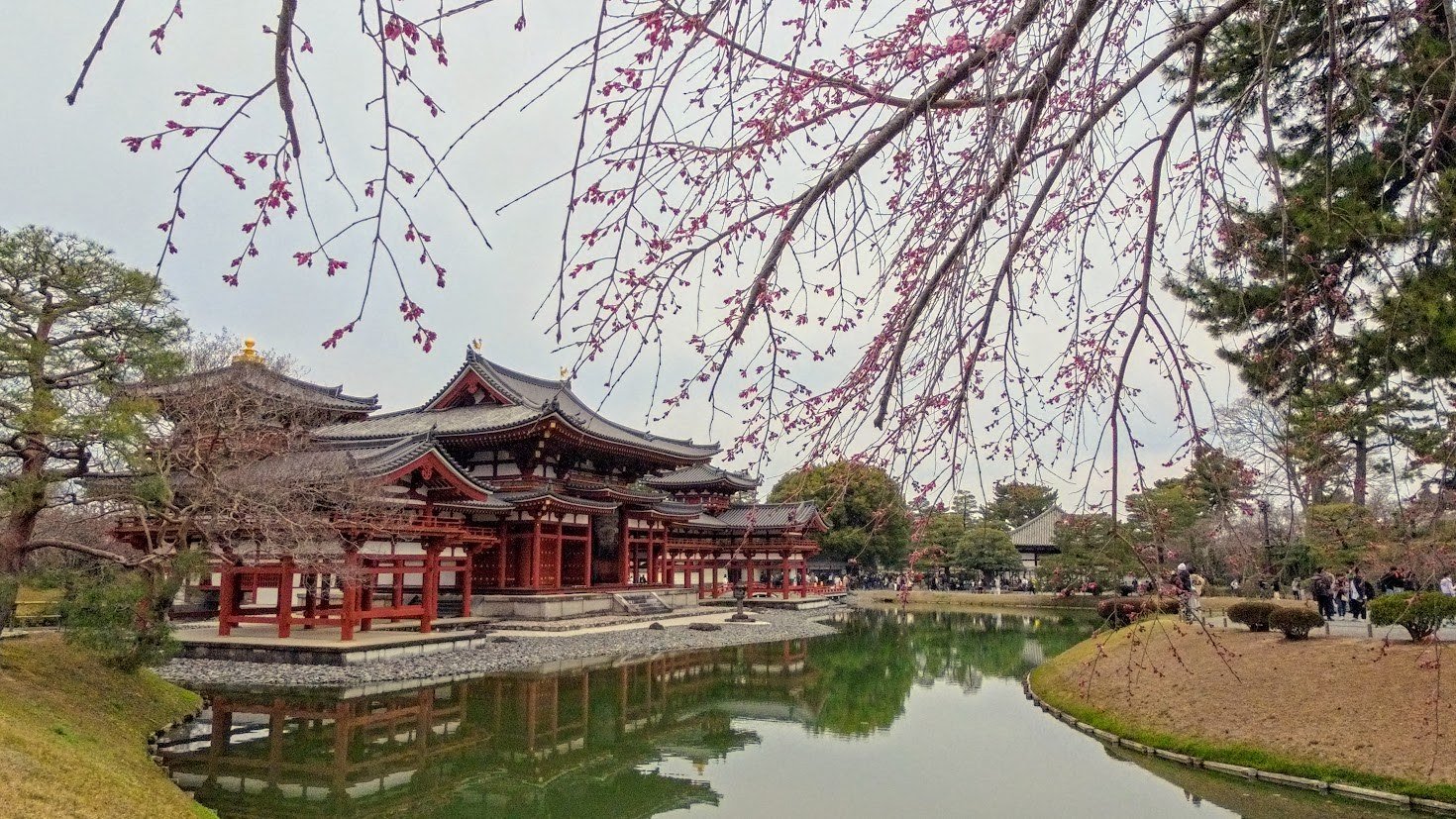
This can look different for every traveler. For one person, it may mean spending a full week in Kyoto instead of jumping between three Japanese cities. For another, it may mean booking an apartment in one neighborhood, going to the same bakery every morning, and learning the rhythm of the area.
Slow travel does not have to be expensive or fancy. It can actually help your budget because you spend less on constant transfers, rushed tours, and last-minute decisions.
Why Slow Travel Can Make a Trip Better
You Feel Less Rushed
When every day is packed, travel can start feeling like work. A slower itinerary gives you time to rest, eat properly, deal with delays, and enjoy the destination without constantly checking the clock.
You Notice More Details
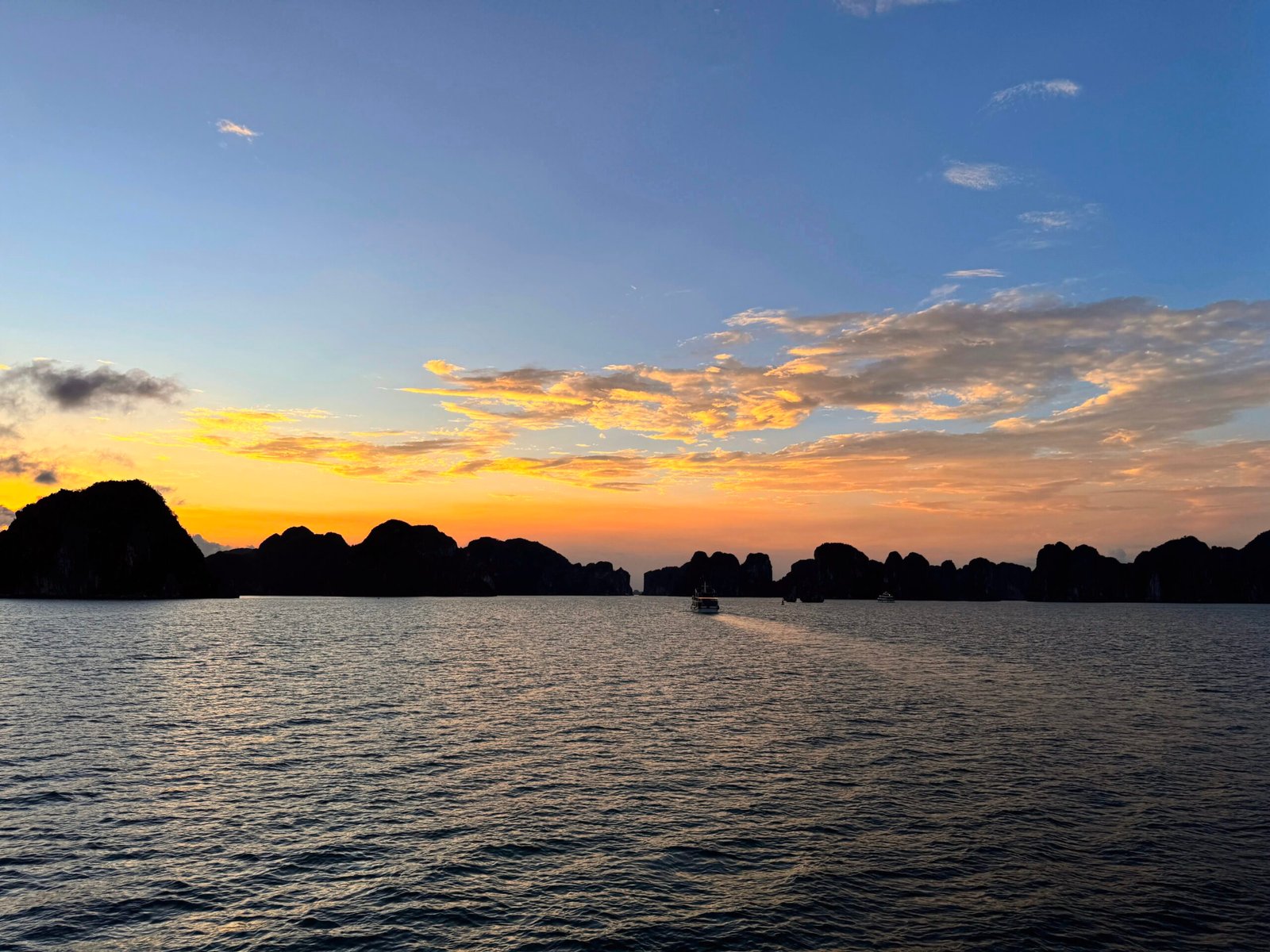
Slow travel makes room for small moments: a quiet street, a local market, a cafe you return to twice, a conversation with a shop owner, or a sunset you did not have to run toward.
You Spend More Intentionally
Instead of paying for every activity that appears online, you can choose the experiences that truly match your travel style. This is good for both your budget and your energy.
You Support Local Communities
Staying longer in one place can help you spend more with local restaurants, markets, transport providers, guides, and small businesses. It also gives you more chances to travel respectfully instead of rushing through a destination.
Free Planning Resource for a Slower Trip
If you want help organizing your budget, itinerary, packing list, and travel notes, you can download my free Budget Travel Guide. It is designed to help you plan smarter, track expenses, and avoid overpacking.
If you like writing things down, my paperback travel planner on Amazon can help you keep transportation, accommodation, activities, and travel memories in one place.
How To Build a Slow Travel Itinerary
Pick One Home Base
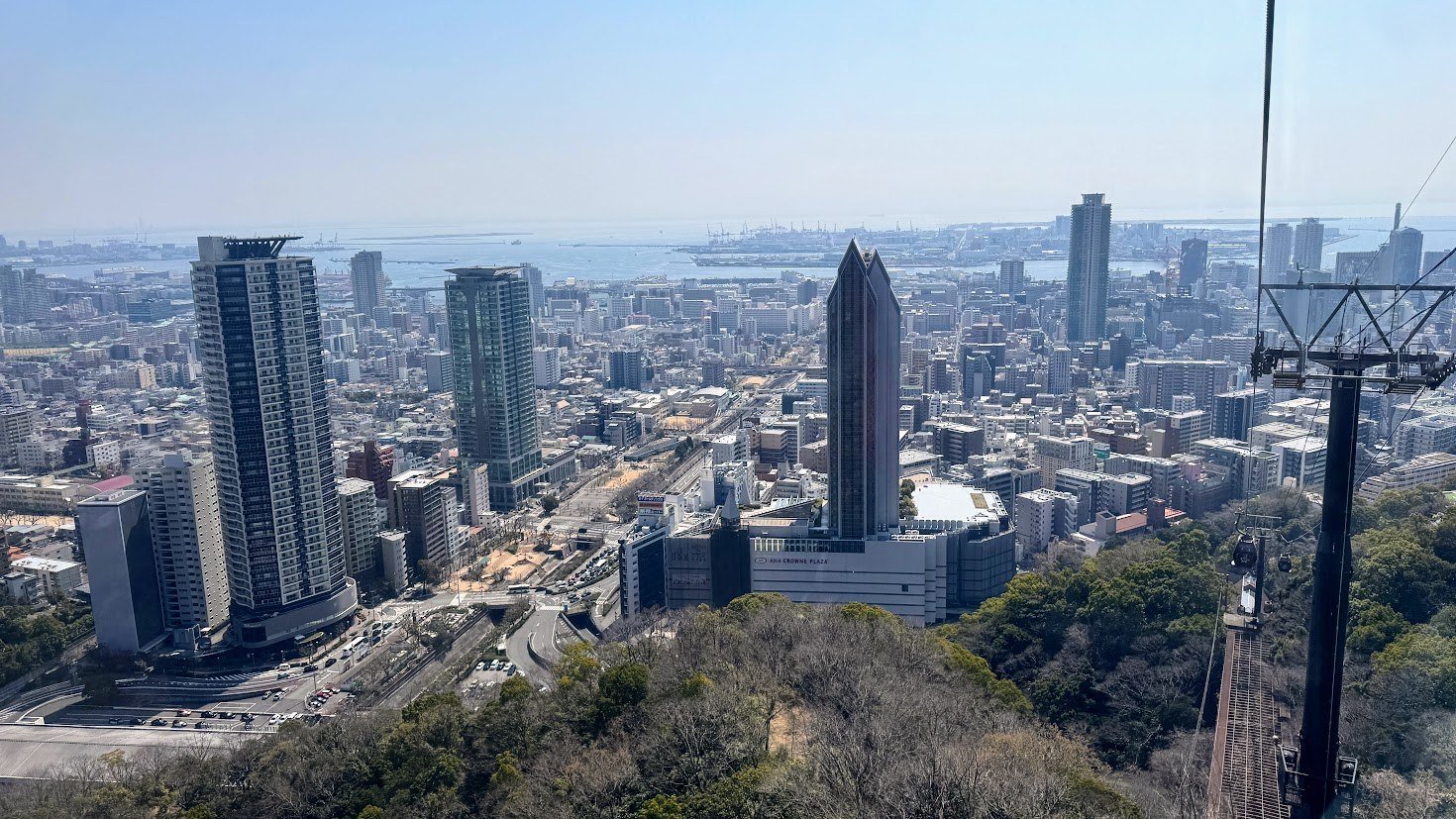
Instead of changing hotels every night, choose one home base for a few days. This saves packing time and makes your trip feel calmer. From there, you can explore nearby neighborhoods or take simple day trips.
Choose Anchor Activities
An anchor activity is the main experience you really care about. It could be a cooking class, museum day, countryside tour, food walk, temple visit, island hopping day, or train ride.
You can use Klook to compare local tours and activities when you want one organized experience without filling your whole trip with bookings.
Leave Empty Space on Purpose
Blank space in an itinerary is not wasted time. It is where rest, wandering, cafe breaks, shopping, laundry, delayed trains, and unexpected discoveries can happen.
Plan by Neighborhood
Group nearby places together so you are not crossing the city several times a day. This saves money, time, and energy.
Use a Gentle Daily Rhythm
Try planning one main activity, one flexible meal or cafe stop, and one optional extra. If the day goes well, you can add more. If you are tired, you still had a good day.
When Slow Travel Works Best
- First-time trips where you do not want to feel overwhelmed
- Longer vacations of one week or more
- Destinations with strong food, culture, and neighborhood life
- Trips with older family members, kids, or mixed energy levels
- Remote work trips or workations
- Budget trips where reducing transfers can save money
- Personal reset trips where rest matters as much as sightseeing
When Slow Travel May Not Fit
Slow travel is lovely, but it is not always realistic. If you only have a long weekend, are visiting for a specific event, or need to see family in multiple cities, you may need a faster itinerary.
That is okay. You can still borrow the mindset by choosing fewer activities per day, protecting rest time, and making your plans less stressful.
Slow Travel Examples
| Instead of | Try this slower version |
| Three cities in five days | One city plus one nearby day trip |
| Five attractions in one day | Two main stops, one meal area, and flexible time |
| Changing hotels every night | Stay in one base for three to five nights |
| Booking every activity in advance | Book key tickets, then leave casual days open |
| Only eating near tourist spots | Explore local markets, neighborhood cafes, and small restaurants |
How To Connect With Local Culture Respectfully
Slow travel is not just about moving slowly. It is also about paying attention to the people and culture around you.
- Learn basic greetings and thank-you phrases.
- Read dress codes before visiting religious or cultural sites.
- Ask before taking close-up photos of people.
- Support local restaurants, shops, and guides when possible.
- Use public transport when it is safe and practical.
- Respect quiet hours, local customs, and neighborhood rules.
For destination research, trusted resources like Lonely Planet and TripAdvisor can help you compare areas, reviews, and local experiences before deciding what fits your pace.
Slow Travel and Budget Travel
Slow travel can be budget-friendly because you are not constantly paying for transport between cities. You may also find better weekly accommodation rates, cook simple meals, or learn where local prices are more reasonable.
For more money-saving ideas, read my budget-friendly travel hacks and travel overspending mistakes to avoid.
Slow Travel and Guided Tours Can Work Together
Slow travel does not mean you have to DIY everything. Sometimes one thoughtful guided experience can help you understand a destination better, especially if the place has deep history, complex transport, or local food you want explained.
The key is to book with intention. Choose the tour that adds real value, then leave the rest of the day open. My DIY travel vs guided tours guide can help you decide when a tour is worth it.
If you want to compare options, check available local experiences on Klook and read the inclusions, meeting point, cancellation policy, and recent reviews before booking.
Planning Help for a Less Rushed Trip
If you want help building a calmer local or international itinerary, you can message IncubhabeTravels. I help travelers plan stress-free journeys through travel assistance, partnered tours, flights, hotels, and travel services.
You can also start through my Contact Us page if that is easier.
Helpful Related Guides
- Effortless Trip Planning: A Step-by-Step Guide
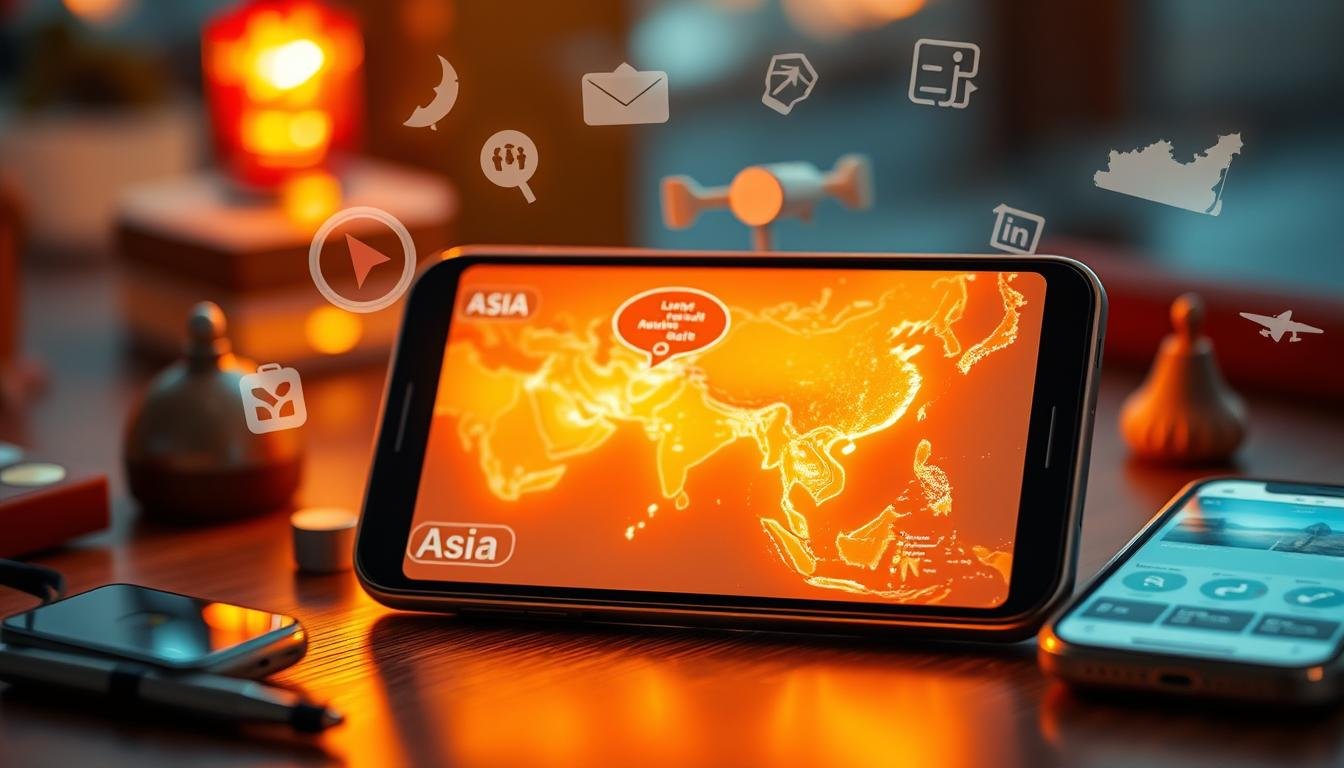
- Asia Tours and Activities Guide
- Online Travel Booking Tips
- Travel Scams To Avoid
- Best Travel Apps for Your Next Trip
- Travel Journal Tips
FAQ About Slow Travel
What does slow travel mean?
Slow travel means spending more time in fewer places so you can experience the destination with less rushing and more intention.
Is slow travel only for long trips?
No. Long trips make slow travel easier, but you can use the same mindset on a short trip by choosing fewer activities and leaving more open time.
Is slow travel cheaper?
It can be. Staying longer in one place may reduce transport costs, rushed bookings, and constant hotel changes. Your total cost still depends on destination, accommodation, food, and activities.
Can I still book tours if I want to travel slowly?
Yes. Slow travel and guided tours can work together. Choose one meaningful tour, then leave time before and after it so the day does not feel packed.
How do I start planning a slow travel itinerary?
Pick one home base, choose one or two anchor experiences, group nearby places together, and leave open space for rest and wandering.
A Few Booking Shortcuts, If You Need Them
One extra booking option may be useful here: Compare travel eSIM options if reliable mobile data would make the trip easier. Compare the inclusions, meeting point, and cancellation terms before paying.
Final Thoughts
A slow travel mindset is really permission to enjoy your trip without proving that you saw everything. You can still visit famous places, book activities, take photos, and follow a plan. You just do it with more breathing room.
Choose fewer stops, protect your rest, support local businesses, and give yourself time to notice the little things. That is often where the trip starts to feel personal.
How I Would Build a Slower Day
I would choose one main area and stay near it. Start with the place you care about most, add one nearby meal or cafe, then leave the rest of the day open for walking, photos, or an early return. Slow travel works best when the map feels small enough to enjoy.
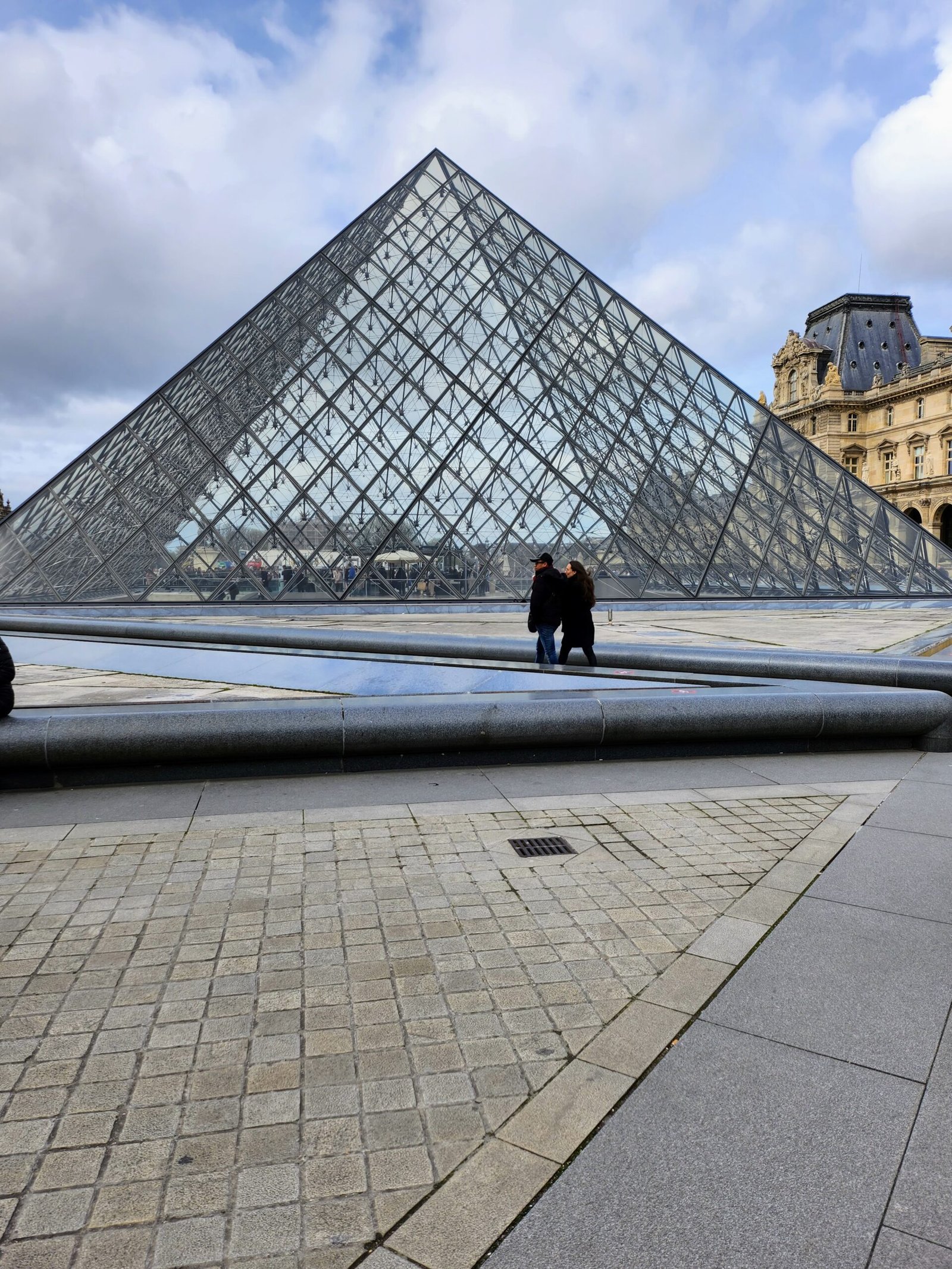
If you are visiting a popular city for the first time, you do not have to skip the famous sights. Pick fewer of them. Give each place enough time that you can notice the streets, food, weather, and small details around it.