

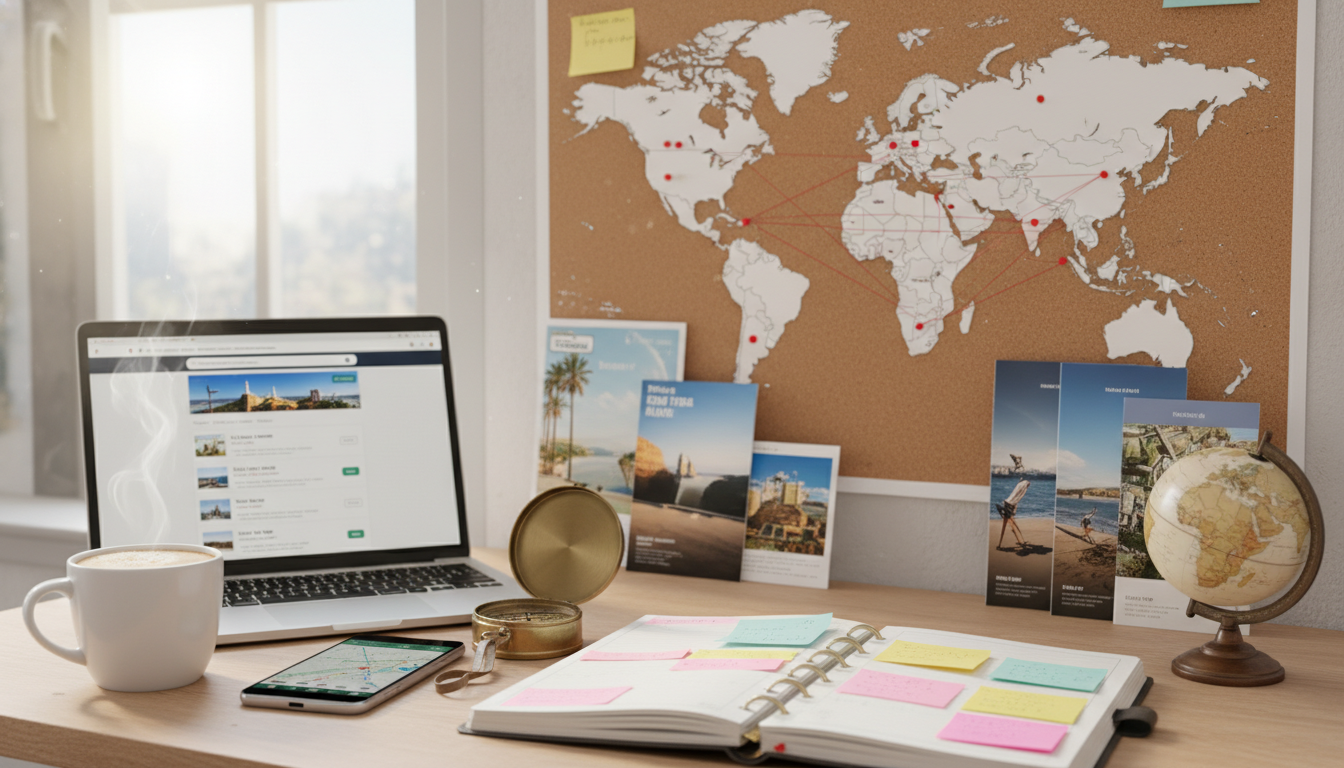
Planning a trip can feel exciting and overwhelming at the same time. There are flights to compare, hotels to check, transportation details to arrange, activities to choose, and a budget to keep under control.
The good news is that trip planning becomes much easier when you follow a clear order. Instead of trying to decide everything at once, you can break the process into simple steps: choose your travel style, set your budget, book the essentials, then fill in the details.
Disclosure: Some links on this page may be affiliate links. I may earn a small commission at no extra cost to you if you book through them.
If you want a quick place to compare travel options, you can start with Klook for hotels, transportation, tours, and travel services.
Quick Trip Planning Checklist
| Step 1 | Choose your destination, travel dates, and travel style. |
| Step 2 | Set your trip budget and decide what matters most. |
| Step 3 | Book flights, hotels, transportation, and major tours. |
| Step 4 | Build a flexible daily itinerary. |
| Step 5 | Prepare documents, packing lists, apps, and emergency details. |
Step 1: Decide What Kind of Trip You Want

Before booking anything, think about the type of trip you actually want. A relaxing beach trip, a city itinerary, a family vacation, a food-focused trip, and a packed sightseeing schedule all need different planning choices.
Ask yourself:
- Do I want rest, adventure, shopping, food, culture, or a mix?
- Am I traveling solo, with family, with friends, or as a couple?
- Do I prefer DIY travel or guided tours?
- How much free time do I want each day?
- What would make this trip feel worth it?
This first step helps you avoid copying an itinerary that does not match your travel style.
Step 2: Set a Realistic Budget
A travel budget does not have to be perfect, but it should give you a clear spending range. Start with the biggest costs first: flights, accommodation, transportation, food, tours, insurance, and shopping money.
I like separating costs into three groups:
- Must-pay costs: flights, hotels, visas, insurance, and transport.
- Experience costs: tours, attractions, food stops, and day trips.
- Flexible costs: souvenirs, extra snacks, upgrades, and shopping.
If you are still figuring out how much to spend, my budget-friendly travel hacks and travel overspending mistakes guides can help you avoid common money traps.
Step 3: Research the Destination
Once you know your budget and travel style, research the destination. Look for the best season to visit, weather, visa rules, local transport, safety tips, and the main neighborhoods where travelers usually stay.
Trusted non-affiliate resources can help here too:
- Lonely Planet for destination guides and travel tips.
- TripAdvisor for reviews and traveler feedback.
- Google Translate for checking words, signs, or menus.
- Maps.me for offline map planning.
Step 4: Book Flights and Main Transportation
After choosing your dates, start with flights and major transportation. If your trip includes airport transfers, trains, ferries, buses, or city passes, it helps to check those early so you do not miss important timing details.
You can compare Klook transportation options for airport transfers, passes, and local transport services where available. This is useful when you want less stress on arrival day.
For airport prep, also read my airport tips for first-time flyers.
Step 5: Choose the Right Hotel Area
Your hotel location can make or break the trip. A cheaper hotel is not always better if it adds long commutes, confusing transfers, or extra transport costs every day.
When choosing accommodation, check:
- Distance from train stations or bus stops
- Distance from your main attractions
- Safety and walkability of the area
- Recent guest reviews
- Cancellation policy
- Breakfast, luggage storage, and check-in time
You can browse Klook hotel options as part of your comparison, especially if you want to keep hotels, tours, and other trip bookings in one place.
Step 6: Plan Activities and Tours
Now choose the experiences that matter most. I recommend choosing a few must-do activities first, then leaving space for rest, food, walking around, and unexpected discoveries.
If you want guided activities, day trips, attraction tickets, or food tours, compare Klook tours before finalizing your itinerary. Check what is included, where the meeting point is, whether tickets are instant confirmation, and if the cancellation policy works for you.
This is where you can decide whether DIY travel or a guided tour makes more sense. My DIY travel vs guided tours guide can help with that decision.
Step 7: Build a Flexible Daily Itinerary
A good itinerary gives you direction without making every hour feel strict. Start each day with one main activity, then add nearby food stops, attractions, or optional backup plans.
Try this simple format:
- Morning: one priority attraction or activity
- Lunch: nearby food stop or flexible choice
- Afternoon: second attraction, shopping area, or rest
- Evening: dinner, night market, view deck, or relaxed walk
Do not overpack the schedule. Travel days usually take longer than they look on paper.
Step 8: Prepare Documents and Safety Details
Before your trip, prepare the boring but important details. Keep digital and printed copies when possible.
- Passport and visa documents
- Flight and hotel confirmations
- Travel insurance details
- Emergency contacts
- Tour vouchers and tickets
- Local transport cards or passes
- Copies of important IDs
It is also worth reading my travel scams guide before you go so you know what warning signs to watch for.
Need Help Planning Your Trip?
If planning feels stressful or you want help organizing the details, I also offer travel assistance through Incubhabe Travels.
Travel assistance is available for local and international trips. I can help with partnered tours, flights, hotels, and travel services so fellow travelers can plan more stress-free journeys.
For details, message me through Incubhabe Travels on Facebook or visit my Contact Us page.
Keep Your Trip Plans in One Place
If you are still organizing your itinerary, budget, and accommodation notes, download my free Budget Travel Guide. It can help you compare options, track expenses, and avoid overpacking your schedule.
If you prefer writing things down, my paperback travel planner on Amazon has sections for transportation, accommodation, itinerary planning, packing lists, and daily notes.
Related Travel Planning Guides
- 7 Day Travel Packing List: Everything You Need
- Simplify Your Travel Booking Online
- Travel Scams to Avoid
- Travel Journal Tips
FAQ About Trip Planning
How early should I start planning a trip?
For international trips, start at least 2 to 6 months ahead if possible. For local trips, a few weeks may be enough, depending on flights, hotels, and peak season.
What should I book first?
Book flights and accommodation first, then major transportation and must-do tours. After that, fill in smaller activities and flexible plans.
Is it better to book tours in advance?
Book in advance if the tour is popular, date-specific, or important to your trip. For flexible activities, you can compare options closer to your travel date.
How do I avoid overplanning?
Choose one or two main activities per day and leave open time for food, rest, transport delays, and spontaneous stops.
Can someone help me plan my trip?
Yes. If you want help with trip planning, you can message Incubhabe Travels or reach out through my Contact Us page.
Final Thoughts
Effortless trip planning is not about making a perfect itinerary. It is about making enough decisions ahead of time so you can enjoy the trip once you are there.
Start with your travel style, budget, hotel area, transportation, and must-do activities. Then leave space for real travel moments: the slow breakfast, the unexpected view, the food stop you did not plan, and the quiet time that makes the trip feel yours.
A Better Order for Planning Your Trip
Trip planning gets messy when you book the fun parts before the basics. Start with the route, travel dates, hotel area, and daily budget. After those pieces fit, choose tours, tickets, and restaurants. This order protects your money because each paid activity has to fit the schedule instead of forcing the schedule around it.
| Plan first | Destination, dates, route, hotel area, and daily budget. |
| Book second | Flights, main hotels, required transfers, and timed tickets. |
| Add last | Optional cafes, shopping stops, photo spots, and backup activities. |
Leave one open block in the itinerary for laundry, weather changes, delays, or rest. A flexible block can save the whole trip when one activity takes longer than planned.
Read Next
Planning Checks That Prevent Stress Later
Check your first day and last day before you fill the middle of the itinerary. Arrival time, airport distance, hotel check-in, luggage, and departure plans decide how much energy you have for sightseeing.
Write one backup plan for bad weather or delays. A museum, mall, cafe area, or rest block can protect the day when a tour changes schedule or the group needs a slower pace.