


Travel overspending usually does not happen because of one huge mistake. It happens through small choices: one extra baggage fee, one rushed taxi, one hotel too far from the center, one ticket booked without checking the inclusions.
The goal is not to make your trip feel cheap or restricted. The goal is to spend on what actually matters to you and avoid the expenses that only add stress.
As a Filipina travel blogger, I like budget advice that feels realistic. You can still enjoy good food, paid attractions, and comfortable stays. You just need a clearer plan before the little costs quietly pile up.
Disclosure: Some links on this page may be affiliate links, including travel booking links and my own Amazon paperback travel planner. I may earn a small commission at no extra cost to you if you book or buy through them.
Quick Overspending Checklist
| Before booking | Compare total costs, not only the cheapest headline price. |
| Before paying | Check baggage, taxes, service fees, cancellation rules, and transport costs. |
| During the trip | Track big expenses and keep a daily spending limit. |
| For activities | Choose the paid experiences that matter most, then balance with free options. |
| For comfort | Spend where it protects safety, rest, or time. Skip upgrades that only look tempting. |
1. Planning Without a Real Travel Budget
The first overspending mistake is starting with flights, hotels, and activities before deciding your real budget. Without a number, every option feels possible until the total becomes painful.

Start with a simple budget split:
- Flights or main transport
- Accommodation
- Food and drinks
- Local transportation
- Activities and attraction tickets
- Shopping and souvenirs
- Emergency buffer
Your budget does not have to be perfect. It just needs to be honest enough to guide your choices.
If you want help organizing this, download my free Budget Travel Guide. It can help you plan your itinerary, track expenses, and pack smarter without overpacking.
2. Comparing Only the Cheapest Price
The cheapest option is not always the cheapest after fees, location, baggage, meals, and transport are added.
For flights, check baggage fees, seat fees, layover time, arrival time, and airport location. Tools like Google Flights and Skyscanner can help you compare routes, but always check final airline rules before paying.
For accommodation, compare the total price and location. A hotel that looks cheaper may cost more if you need long taxis every day. You can compare stays on Agoda and Airbnb, then check the area on Google Maps.
The best deal is the one that fits your route, comfort level, and real total cost.
3. Booking Too Many Paid Activities
Paid tours, theme parks, museums, observatories, and day trips can be worth it. The problem is booking too many because each one looks like a “must-do.â€
Before paying, ask:
- Is this one of my top priorities?
- Does it include transport, tickets, meals, or a guide?
- Can I do a free or cheaper version?
- Will I still have enough rest time?
- Is the cancellation policy flexible?
Use Klook to compare attraction tickets and travel activities when you want to see inclusions, reviews, and options before booking.
For a deeper guide, read my free vs paid attractions article.
4. Saying Yes to Unnecessary Upgrades
Upgrades are not always bad. Sometimes paying more for a central hotel, safer arrival transfer, or direct flight is the smarter choice. But some upgrades only feel urgent in the moment.
Common upgrade traps include:
- Seat upgrades you do not really need
- Oversized rooms when you will barely be inside
- Expensive hotel breakfasts when local food is nearby
- Premium attraction tickets without checking the regular option
- Private transfers when public transport is easy and safe
A good rule: upgrade when it protects your safety, sleep, time, or health. Skip it when it only feeds travel FOMO.
5. Not Tracking Spending During the Trip
Even a good budget can fall apart if you stop checking it. You do not need to track every coin forever, but you should know when you are going over budget.
Try this simple daily check-in:
- How much did I spend today?
- Was it planned or impulsive?
- Do I need to adjust tomorrow?
- Is my emergency money still untouched?
If you prefer paper planning, my Amazon paperback travel planner can help you keep transportation, accommodation, daily plans, packing reminders, and spending notes in one place.
You can also use simple apps or spreadsheets. The best system is the one you will actually use.
How To Fix Overspending Without Ruining the Trip
If you notice you are overspending while traveling, do not panic. Adjust the next day instead of feeling guilty.
- Switch one restaurant meal to a market, bakery, grocery, or casual local spot.
- Replace one paid attraction with a free neighborhood walk, park, viewpoint, or museum day.
- Use public transport for one sightseeing day if it is safe and practical.
- Pause souvenir shopping until the last day.
- Check whether you can cancel or move a non-essential booking.
Budget travel should still feel enjoyable. The point is to redirect money toward what you truly want from the trip.
Need Help Planning a Smarter Travel Budget?
If you want help organizing a local or international trip without wasting money on the wrong bookings, you can message IncubhabeTravels. I help travelers with planning support, partnered tours, flights, hotels, and travel services.
You can also reach me through my Contact Us page if you prefer to start there.
Helpful Related Guides
- Budget Travel Hacks
- Free vs Paid Attractions
- Online Travel Booking Tips
- Effortless Trip Planning
- Best Travel Apps for Your Next Trip
- 7 Day Travel Packing List
FAQ About Travel Overspending Mistakes
What is the most common travel overspending mistake?
The most common mistake is not setting a realistic total budget before booking. Without a budget, small costs can add up quickly.
How do I stop overspending while traveling?
Track your daily spending, keep an emergency buffer, limit impulse purchases, and balance paid attractions with free or low-cost activities.
Is it bad to spend extra on travel comfort?
No. Spending extra can be worth it when it protects safety, rest, time, or health. The key is to avoid upgrades that do not add real value.
How much emergency money should I bring?
It depends on the destination and trip length, but always keep a separate buffer for unexpected transport, food, medicine, baggage fees, or schedule changes.
Are travel deals always worth booking?
No. A deal is only worth it if you actually need what it includes. Always check fees, restrictions, location, cancellation policy, and total cost.
A Few Booking Shortcuts, If You Need Them
You do not need to prebook everything. These are worth comparing only when they solve a real planning problem: Compare travel eSIM options if reliable mobile data would make the trip easier; Check airport-transfer choices when a direct arrival ride solves a luggage or timing problem. Compare the inclusions, meeting point, and cancellation terms before paying.
Final Thoughts
A budget-friendly trip is not about saying no to everything. It is about saying yes to the things that matter most and avoiding the spending that sneaks in quietly.
Plan your budget, compare the real total cost, choose paid activities carefully, skip unnecessary upgrades, and track your spending as you go. Future-you will be very grateful.
A Quick Money Check Before You Pay
Before you book a hotel, tour, or flight add-on, ask what problem the payment solves. A good spend saves time, protects comfort, or gives you an experience you care about. A weak spend only fills the itinerary.
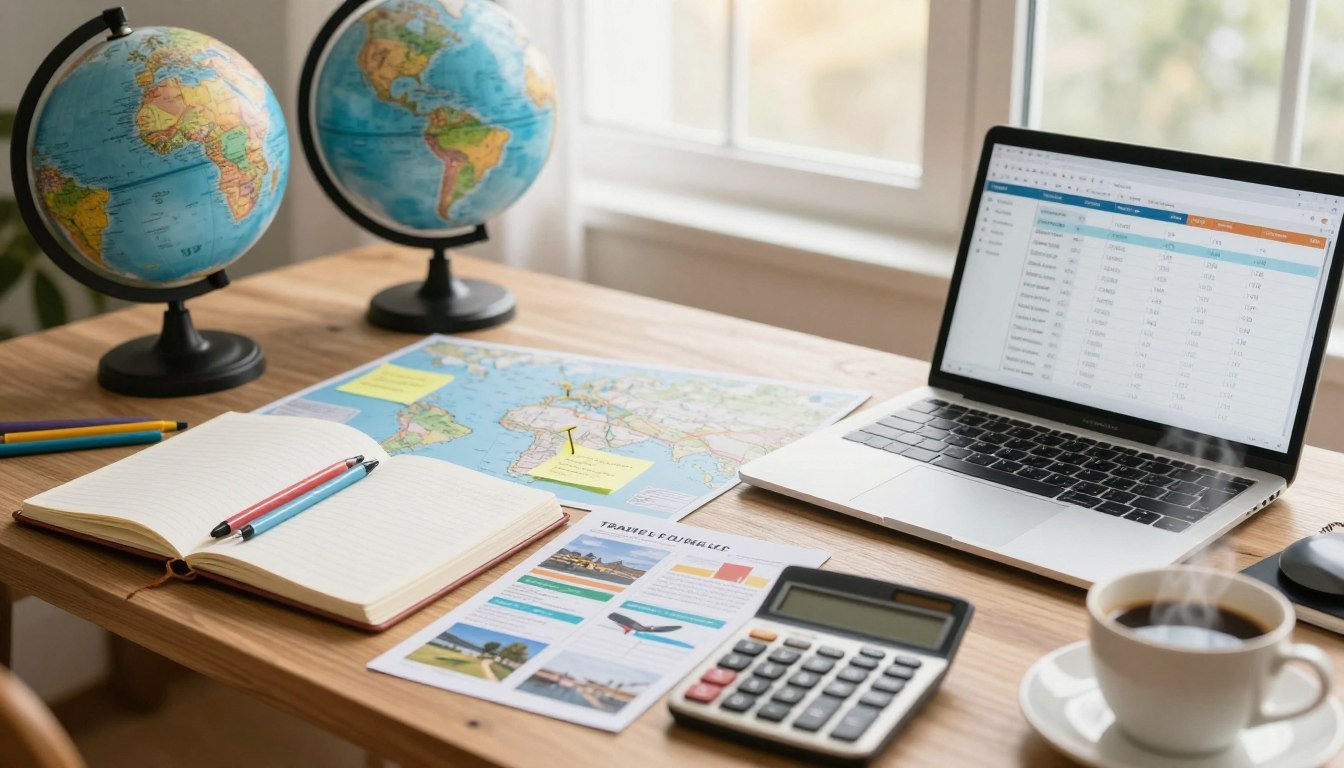
Keep a small buffer outside the daily budget. Snacks, laundry, baggage, tips, lockers, and local rides can take money from the activity budget when you do not plan for them.