

Disclosure: This post may contain affiliate links. If you book through some of these links, I may earn a small commission at no extra cost to you. I only link resources that fit the topic and can make planning easier.
Planning your first Asia trip can feel exciting and a little intimidating at the same time. Asia is not one small travel style. It can be temples, beaches, street food, trains, megacities, mountain towns, night markets, and long immigration lines all in one trip.
For a first-timer, my honest advice is this: do not try to see everything. Choose a beginner-friendly route, check your documents early, book the pieces that remove stress, and leave space for slow mornings. That is usually where the trip starts feeling fun instead of overwhelming.
Quick First Asia Trip Checklist
- Choose one country, or two nearby countries, for your first trip.
- Check passport validity, visa rules, entry requirements, and travel advisories before booking.
- Pick travel dates around weather, holidays, and your comfort level with crowds.
- Book flights first, then hotels, then airport transfers and key activities.
- Plan a simple money setup: cash, card, and backup card.
- Save offline maps, translation tools, booking confirmations, and emergency contacts.
1. Pick an Easy First Destination
If this is your first Asia trip, start with a destination that matches your travel confidence. Japan, South Korea, Singapore, Thailand, Taiwan, and Vietnam are popular for beginners, but the best choice depends on your budget, language comfort, food preferences, and how much structure you want.
Japan and Singapore can feel very organized for first-time travelers. Thailand and Vietnam can be more budget-friendly and full of local adventure. South Korea and Taiwan are great if you want cities, cafes, markets, and easy day trips. There is no perfect first destination, only the one that fits your season of life and budget.
2. Check Documents Before You Fall in Love With an Itinerary
This is the practical part that saves you from heartbreak later. Before booking non-refundable flights, check your passport validity, visa rules, transit rules, and official advisories. Many travelers focus on the pretty itinerary first, but documents should come before the final booking.
For US readers, the U.S. Department of State international travel checklist is a helpful starting point. For Filipino travelers like me, check the DFA travel advisories and the destination embassy or immigration site. For health preparation, I also like checking the CDC Travelers’ Health destination pages so I know what to ask my doctor about before the trip.
3. Build a Simple Budget Before Booking
Your first Asia budget should include more than flights and hotels. Add meals, airport transfers, local transportation, attractions, travel insurance, mobile data, souvenirs, and a small buffer for mistakes. Beginner trips become stressful when every peso or dollar is already assigned before you even land.
If budgeting feels messy, you can download my free Budget Travel Guide and use it as a starting point. I also created a paperback Travel Planner on Amazon if you prefer writing your itinerary, expenses, transportation, and accommodation details in one place.
4. Book in the Right Order
For a first Asia trip, I like this order: documents, flights, accommodation, airport transfer, must-do attractions, then flexible activities. Flights and hotels shape your trip. Transfers and key activities protect your arrival day and the experiences you do not want to miss.
For flights, compare dates using tools like Google Flights and Skyscanner. For accommodation, I use and recommend checking Agoda and Airbnb depending on the destination and travel style. For airport transfers, activities, tours, and attraction tickets, you can browse Klook so prices are easier to compare before you arrive.
5. Keep Your First Itinerary Gentle
A common beginner mistake is planning every hour. Asia travel can involve heat, rain, transit delays, language gaps, and longer walks than expected. I usually plan one main activity per day, then add smaller options nearby. This gives you structure without turning the trip into homework.
If you want a bigger planning framework, read my step-by-step trip planning guide after this. If your first Asia trip includes paid attractions or tours, my DIY travel vs guided tours guide can help you decide what to book and what to explore on your own.
6. Prepare for Cash, Cards, and Local Payments
Some Asian cities are very card-friendly, while other places still rely on cash for markets, taxis, food stalls, and small shops. Bring a main card, a backup card, and enough local cash for arrival day. Do not exchange your whole budget at once unless you already know the rates are fair.
I go deeper into this in my cash in Asia travel tips article, especially if you are deciding how much money to bring and when to use ATMs.
7. Download Helpful Apps Before You Fly
Do not wait until you are tired at the airport to download your travel tools. Before departure, save your booking confirmations and install apps for maps, translation, transport, and messaging. Google Translate is helpful for quick language support, and Maps.me can help when you want offline maps.
Also save screenshots of your hotel address in English and the local language if possible. This tiny step can save you when airport Wi-Fi is weak or your driver needs the address quickly.
8. Know When To Ask for Help
You do not have to plan everything alone. If your trip has multiple cities, tight timing, family needs, or you simply do not want to compare dozens of options, travel assistance can make the process lighter.
Through IncubhabeTravels, I help fellow travelers plan local and international trips with support for tours, flights, hotels, and travel services. You can also reach me through my Contact Us page if you want help organizing a stress-free journey.
Beginner Asia Trip Example
If you are still unsure where to start, here is a gentle sample structure for a 7-day first Asia trip:
- Day 1: Arrive, airport transfer, check in, simple dinner near your hotel.
- Day 2: Main city highlights and one easy food stop.
- Day 3: Museum, temple, market, or cultural area.
- Day 4: Day tour or nearby city trip.
- Day 5: Flexible day for shopping, cafes, parks, or rest.
- Day 6: One must-do attraction or experience.
- Day 7: Pack, final walk, airport transfer, fly home.
That may look simple, but simple is exactly what makes a first trip enjoyable. Once you learn your travel rhythm, you can plan more ambitious routes next time.
FAQs About Planning Your First Asia Trip
How many countries should I visit on my first Asia trip?
For most beginners, one country is enough for a short trip. If you have two weeks or more, you can add a nearby second country, but avoid making the route too rushed.
When should I book flights for Asia?
Start watching fares early, especially for peak seasons and school holidays. Use price alerts, compare flexible dates, and read my Asia flight booking tips for a fuller breakdown.
Should I book tours before arriving?
Book must-do activities, airport transfers, popular attractions, and limited-capacity tours in advance. Leave casual food stops and neighborhood walks flexible so the trip still feels relaxed.
What is the biggest mistake beginners make in Asia?
Trying to fit too much into one trip. Asia rewards curiosity, but your first itinerary should have breathing room for weather, transit, rest, and spontaneous discoveries.
A Few Booking Shortcuts, If You Need Them
You do not need to prebook everything. These are worth comparing only when they solve a real planning problem: Compare travel eSIM options if reliable mobile data would make the trip easier; Check airport-transfer choices when a direct arrival ride solves a luggage or timing problem. Compare the inclusions, meeting point, and cancellation terms before paying.
Final Thoughts
Your first Asia trip does not need to be perfect. It needs to be prepared enough that you can enjoy the little moments: your first train ride, your first night market snack, your first sunrise in a new city. Start with the basics, book the important parts, and give yourself permission to travel at a pace that feels human.
First Asia Trip Planning Order
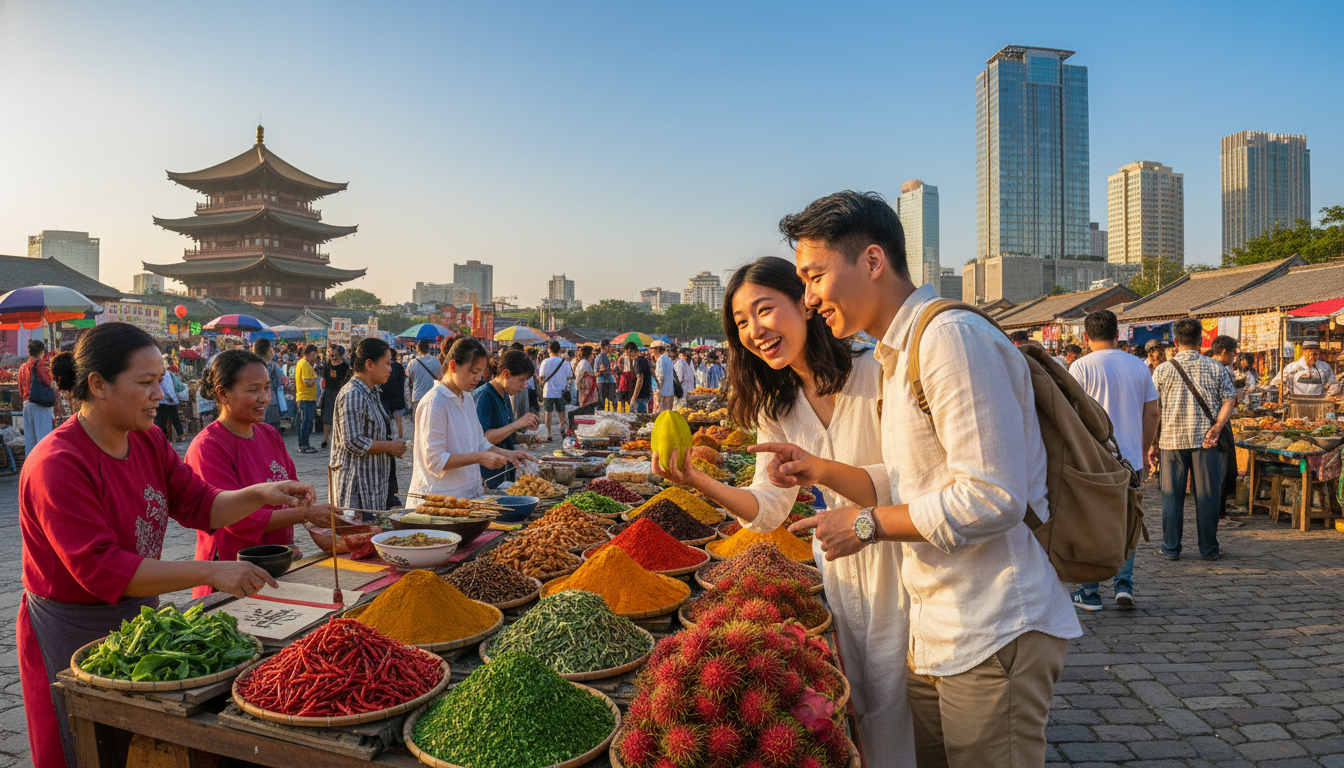
Choose the country before choosing attractions. Japan, Korea, Taiwan, Vietnam, Singapore, and Thailand each need a different budget, pace, and transport plan. The destination sets the shape of the trip.
After you choose the country, decide the route, travel dates, hotel area, and daily budget. Activities come after those basics because every ticket needs to fit time, location, and energy.