

Traveling around Asia with cash in hand can make your trip easier, especially when you are buying street food, paying small vendors, riding local transport, or visiting markets. But cash should not be your only plan.
The smarter approach is to use a mix: enough local cash for daily small expenses, a card for bigger payments, and a backup plan in case an ATM, app, or payment terminal does not work.
As a Filipina travel blogger, I like money planning that feels realistic. Some places in Asia are very cash-friendly, while others are very digital. The goal is not to carry too much money. The goal is to avoid being stuck when you need to pay.
Disclosure: Some links on this page may be affiliate links, including travel booking links and my own Amazon paperback travel planner. I may earn a small commission at no extra cost to you if you book or buy through them.
Quick Cash and Card Checklist for Asia
| Bring cash for | Street food, markets, small shops, tips, buses, taxis, lockers, and emergency backup. |
| Use cards for | Hotels, flights, online bookings, larger purchases, and safer prepaid reservations. |
| Use apps for | Maps, currency checks, booking confirmations, ride-hailing, and expense tracking. |
| Split money | Keep some cash in your wallet, some in a hidden pouch, and some locked at your stay. |
| Always verify | Check exchange rates, ATM fees, and card foreign transaction fees before your trip. |
How Much Cash Should You Bring to Asia?
There is no perfect amount for every traveler because Asia is not one single price zone. Japan, Singapore, Korea, Thailand, Vietnam, the Philippines, Indonesia, and Taiwan can all feel different when it comes to cash, cards, and apps.
A practical starting point is to carry enough local cash for one to two days of small expenses, then withdraw more as needed from trusted ATMs. This avoids carrying too much money while still giving you a safety cushion.
For many travelers, small daily cash expenses may include:
- Local meals and street food
- Convenience stores or small shops
- Public transportation or taxis
- Market purchases
- Tips, donations, lockers, or luggage storage
- Backup money if your card is declined
For broader cost planning, read my average daily travel cost in Asia guide.
Free Budget Planning Resource
If you want help organizing your expenses, itinerary, packing list, and daily cash plan, download my free Budget Travel Guide. It can help you track costs and plan smarter without overpacking.
If you like writing your plans down, my paperback travel planner on Amazon includes space for transportation, accommodation, daily plans, packing reminders, and travel notes.
When Cash Is Useful in Asia
Cash is still very useful in many everyday travel moments. Even in destinations where cards and mobile payments are common, small vendors may prefer cash.
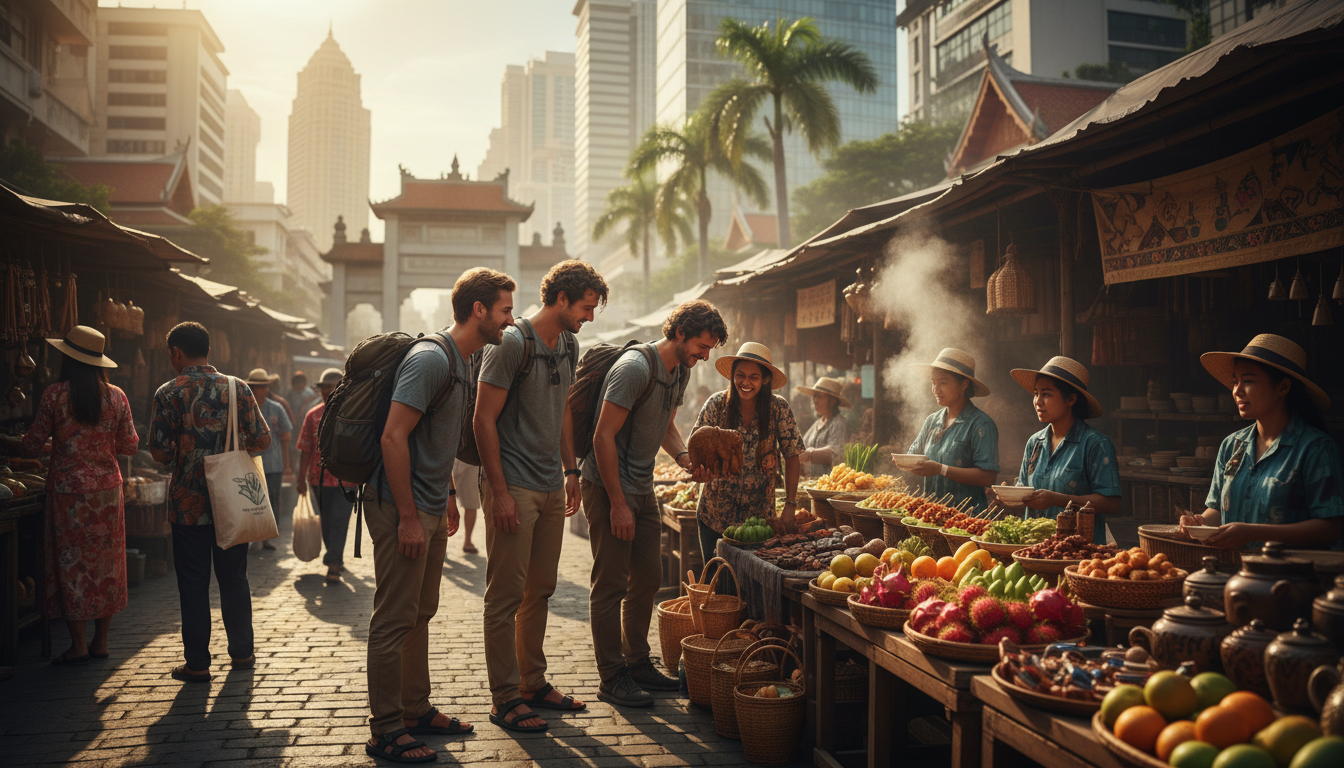
- Night markets and street food stalls
- Local buses, small ferries, and some taxis
- Temple donations, tips, lockers, and small entrance fees
- Small local restaurants and family-run shops
- Rural areas, islands, and older markets
- Emergency backup when payment systems are down
Cash also helps you feel your spending more clearly. When the cash in your daily envelope is gone, it is a simple reminder to slow down.
When Cards or Online Booking Are Better
Cards and online bookings are often better for larger or more traceable purchases. They can also help you avoid carrying too much cash.
- Flights and hotels
- Airport transfers and train passes
- Attraction tickets and guided tours
- Travel insurance
- Emergency bookings
- Reservations where you need confirmation emails or vouchers
You can use Klook for travel activities, transport, and attraction tickets so you can compare prices and keep booking confirmations in one place.
Cash Safety Tips While Traveling
Cash is helpful, but carrying too much can be risky. Keep it boring and organized.
- Do not keep all cash in one wallet.
- Use a small daily wallet and keep extra cash separate.
- Use hotel safes or locked luggage carefully when available.
- Avoid counting large amounts of money in public.
- Withdraw from ATMs inside banks, malls, airports, or trusted locations when possible.
- Keep emergency cash in a separate pouch.
- Do not flash money at markets or transport areas.
If safety is a concern, read my travel scams to avoid guide before your trip.
Currency Exchange and ATM Tips
Exchange rates change, so check before you travel and again during the trip. A tool like XE can help you understand the current exchange rate before withdrawing or exchanging money.
- Compare rates before exchanging money.
- Avoid exchanging large amounts at poor-rate counters just because you are rushed.
- Check your bank’s foreign transaction and ATM fees.
- Tell your bank you are traveling if required.
- Keep more than one payment method if possible.
- Choose local currency when a card terminal offers dynamic currency conversion.
For Filipino travelers, also check whether your bank card works internationally and whether your e-wallet or banking app needs travel-related settings before leaving the Philippines.
Daily Cash Budget Example
Here is a simple way to think about daily cash:
| Food and snacks | Local meals, drinks, street food, small groceries |
| Transport | Buses, trains, taxis, ferries, local fares |
| Small attractions | Local entrance fees, lockers, donations |
| Shopping | Markets, souvenirs, small gifts |
| Emergency buffer | Unexpected taxi, medicine, food, or mobile data top-up |
You can track this in your phone notes, a spreadsheet, or a travel planner. The exact tool does not matter as much as the habit.
Budget-Friendly Asia Tips Beyond Cash
- Stay near public transportation to reduce taxis.
- Mix paid attractions with free markets, parks, and viewpoints.
- Compare hotels by total cost, not just room price.
- Plan airport transfers before arrival so you do not panic-book.
- Keep one emergency fund separate from daily spending money.
- Use local food options instead of tourist restaurants for every meal.
For more savings ideas, read my budget travel hacks and travel overspending mistakes guides.
Need Help Planning Your Asia Budget?
If you want help organizing a local or international trip with a realistic cash, card, hotel, transport, and activity plan, you can message IncubhabeTravels. I help travelers with planning support, partnered tours, flights, hotels, and travel services.
You can also reach me through my Contact Us page if you prefer to start there.
Helpful Related Guides
- Average Daily Travel Cost in Asia
- Budget Travel Hacks
- Travel Overspending Mistakes
- Free vs Paid Attractions
- Online Travel Booking Tips
- Best Travel Apps for Your Next Trip
FAQ About Cash in Asia Travel
Should I bring cash or card to Asia?
Bring both. Cash is useful for markets, small vendors, local transport, and emergencies. Cards are better for hotels, flights, online bookings, and larger purchases.
How much cash should I carry each day?
Carry enough for one day of small expenses plus a small emergency buffer. Keep extra cash separate instead of putting everything in one wallet.
Is it better to exchange money before arriving?
It depends on the destination and your bank. It can help to arrive with a small amount of local cash, then use trusted ATMs or exchange counters after comparing rates.
Are ATMs safe to use in Asia?
Many ATMs are fine, especially inside banks, malls, airports, or trusted locations. Avoid isolated machines, cover your PIN, and check your bank’s international fees.
What is the biggest cash mistake travelers make?
The biggest mistake is relying on only one payment method. Carry some cash, bring at least one card, and keep emergency money separate.
A Few Booking Shortcuts, If You Need Them
You do not need to prebook everything. These are worth comparing only when they solve a real planning problem: Compare travel eSIM options if reliable mobile data would make the trip easier; Check airport-transfer choices when a direct arrival ride solves a luggage or timing problem. Compare the inclusions, meeting point, and cancellation terms before paying.
Final Thoughts
Cash is still important for traveling in Asia, but the best money plan is a mix. Use cash for small local spending, cards for bigger bookings, and apps to track exchange rates and expenses.
When you know where your money is, how much you can spend, and what to do if one payment method fails, the trip feels much calmer. That is the real budget travel win.
Cash Planning Rule for Asia Trips
Bring enough cash for arrival day, small food stops, transport, markets, and backup. Keep larger purchases on a card when the merchant accepts it and the fees make sense.
Split your money between wallet, pouch, and luggage backup. If one card fails or one wallet gets misplaced, you still have a way to eat, ride, and reach the hotel.
Read Next
Final Planning Note
I would use this guide as a starting point, then check the exact date, weather, route, and group needs before paying for anything. A good plan should make the trip easier, not pressure you into booking every option.
If the schedule already feels full, choose one paid activity and keep the rest of the day lighter. That gives you room for meals, photos, delays, and the small travel moments that often become the best memories.