
The Dates and Ticket Sale to Save Now
Affiliate disclosure: Some booking links in this article are Klook affiliate links. If you book through them, Incubhabe may earn a small commission at no extra cost to you. I include them where checking availability or reserving ahead can make your trip easier.
Tokyo's September 2026 Grand Sumo Tournament runs from Sunday, September 13 to Sunday, September 27 at Ryogoku Kokugikan. General ticket sales open on Saturday, August 8 at 10:00 a.m. Japan time.
Buy through the Japan Sumo Association's official ticket service if you want to attend a tournament day. Popular dates and seat types can sell out, especially weekends, national holidays, opening day, and the final day. The official 2026 Grand Tournament schedule confirms the dates, venue, sale date, and August 31 ranking announcement.
This experience suits travelers who want one distinctly Japanese event in their Tokyo plans. You do not need to understand every rank or rule before going. Choose the right date and seat, arrive with enough time, and let the day unfold.
Is a Grand Sumo Tournament Worth It for a First Trip?
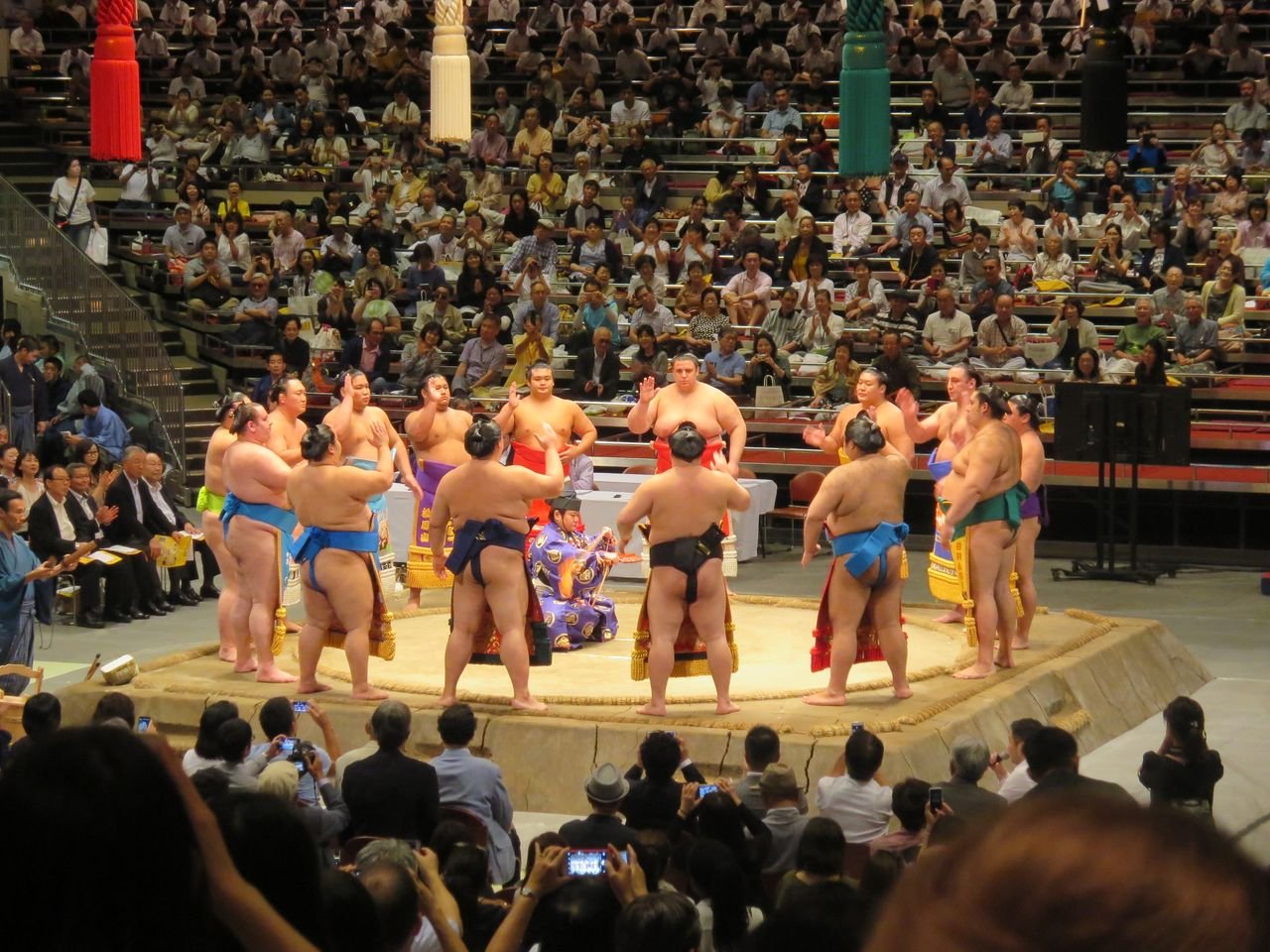
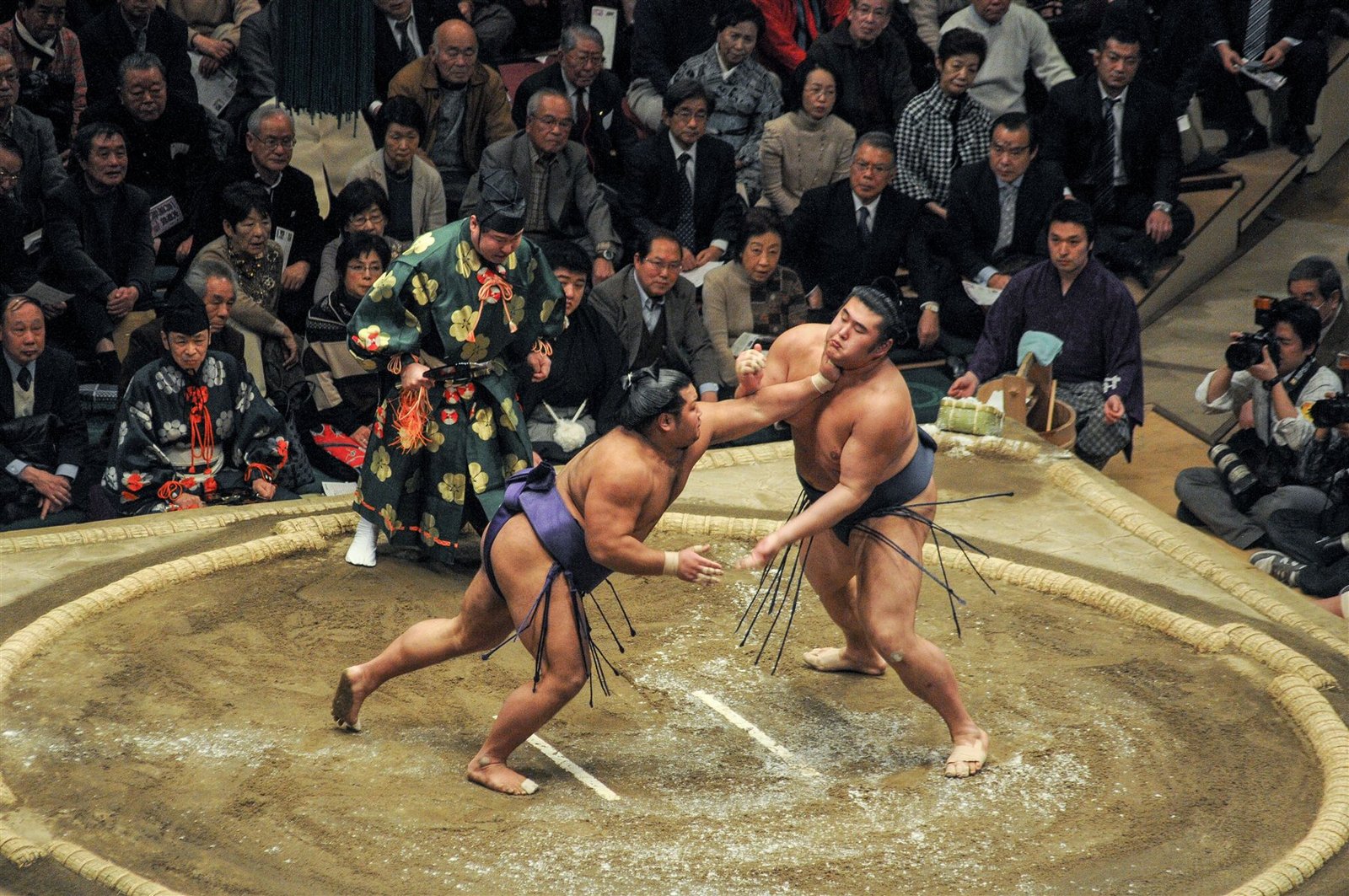
Yes, if you enjoy live sport, ceremony, people-watching, or cultural traditions. A tournament day is more than a sequence of short bouts. You will see ring-entering ceremonies, referees in formal dress, salt purification, crowd reactions, and the rhythm of the divisions building toward the top-ranked wrestlers.
Skip it if your Tokyo time is extremely short and no one in your group is interested. A ticket can take a large part of the day, and the best experience comes from staying long enough to notice how the atmosphere changes.
JNTO's experience sumo guide explains the sport's background and why Tokyo hosts tournaments in January, May, and September. Use it for cultural context; use the Sumo Association for current tickets and rules.
Choose Your Tournament Day
The tournament lasts 15 days. Each day has its own appeal.
Weekdays are often easier for first-timers
A weekday can be a better fit if you want more ticket choices or a calmer arrival. In 2026, September 14 to 18 and September 24 to 25 are ordinary weekdays within the tournament.
September 21 to 23 are national holidays in Japan, so do not treat those dates like normal Tuesdays or Wednesdays. Weekend and holiday sessions may attract stronger demand.
Opening day has energy, but little tournament history
On September 13, everyone starts with a clean record. You get the excitement of the first day, although the championship picture has not developed yet.
The middle days offer a useful balance
Around days six to ten, results begin to matter more and you can follow which wrestlers remain in contention. This is a good choice if you want competitive context without relying on final-day tickets.
Final day is the hardest ticket
September 27 is the final day, or senshuraku. The championship may be decided then, and closing ceremonies add interest. Demand is usually high, and the result could also be settled earlier. Buy because you want the final-day experience, not because you are guaranteed one dramatic deciding bout.
The official September 2026 ticket page lists every date, opening time, seat category, and current sales information.
Chair Seat or Box Seat?
First-time visitors usually choose between arena chair seats on the second floor and masu box seats on the first floor.
| Seat type | Best for | Watch out for |
|---|---|---|
| Chair seat | Solo travelers, couples, and anyone who prefers a normal seat | Farther from the ring in some categories |
| Masu box | Small groups that want the traditional floor-level experience | Limited legroom and floor sitting can become uncomfortable |
| Premium close seat | Fans who value a closer view | Higher price and limited availability |
Masu boxes are Japanese-style spaces where guests sit on the floor. Some products are sold by the box rather than as one ordinary stadium seat, so check the allowed number of people and total price. Do not assume a four-person box will feel spacious for four adults with bags.
Chair seats are simpler for travelers with knee, hip, or back concerns. The Sumo Association's English ticket guide shows the basic seat types and an arena map. Check the dedicated 2026 tournament page for the final price because categories and availability can differ by venue and date.
If accessibility affects your decision, use the current ticket page's wheelchair information and contact the official service before buying. A general blog description cannot confirm the right entrance or companion-seat rule for your date.
Buy From the Official Ticket Route
The Japan Sumo Association directs English-speaking visitors to Ticket Oosumo English. Start from the official Sumo Association ticket page so you do not land on an imitation or marked-up resale listing.
Before payment, confirm:
- The date says September 13 to 27, 2026.
- The venue is Ryogoku Kokugikan in Tokyo.
- The seat is a chair, box, or another clearly named category.
- The price shown is per seat or per box.
- The delivery method works for an international visitor.
- You know whether a QR ticket or convenience-store collection applies.
- The name, phone verification, and payment requirements are manageable.
- The cancellation and resale rules are clear.
The official 2026 information says general sales begin August 8 and warns that there may be no same-day ticket if the session sells out. Avoid planning to walk up on the day for a popular session.
Tournament tickets are separate from sumo practice visits, demonstrations, restaurant shows, and guided cultural experiences. If official tournament seats do not fit your dates, you can compare Tokyo sumo experiences on Klook. Read the listing carefully; a practice or show is not a Grand Sumo Tournament ticket.
If seeing wrestlers train matters more than watching a staged performance, compare Tokyo sumo-practice visits on Klook. Check whether the listing includes stable access, an English-speaking guide, and rules for photos and conversation.
What Time Should You Arrive?
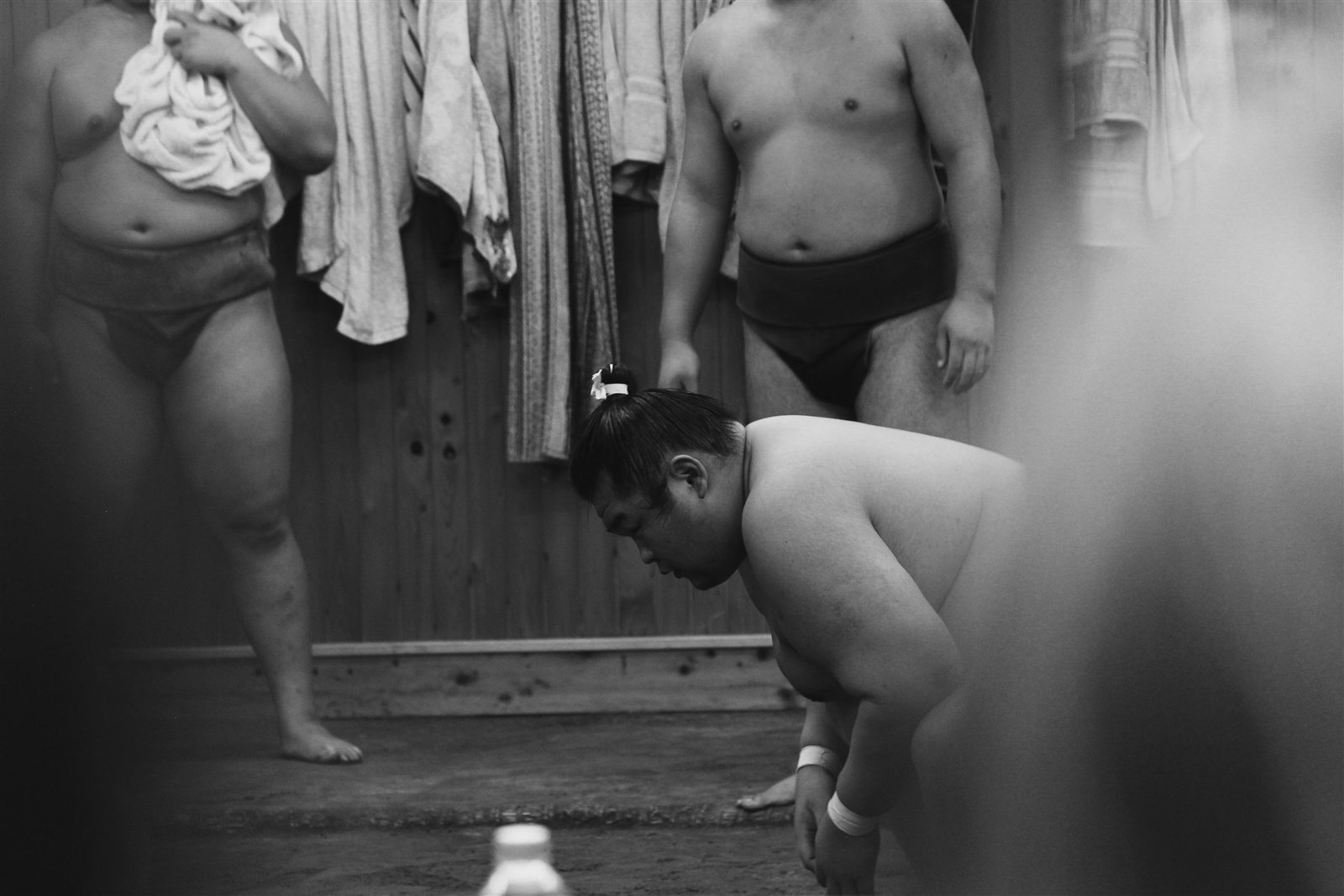
Lower-division bouts begin earlier, while the better-known top divisions compete later in the day. Arriving in the early afternoon gives many first-timers time to find the seat, explore the venue, watch the crowd build, and see the top-division ceremonies without spending the entire day inside.
Dedicated fans may prefer to arrive when the doors open and watch the progression through the ranks. Families or casual visitors may enjoy a shorter stay. Check the current day's opening time on the official September ticket page, because the last tournament days can use different opening times.
Do not arrive only for the final scheduled bout. Security, ticket collection, station crowds, and finding the correct entrance take time. The exact bout order can also move faster or slower than a simple estimate.
Getting to Ryogoku Kokugikan
Ryogoku Kokugikan is beside the Ryogoku area in eastern Tokyo. The JR Sobu Line's Ryogoku Station is the most familiar arrival point for many visitors, and the Toei Oedo Line also has a Ryogoku Station. Check which exit fits your route.
The official Sumo Museum information page lists the Kokugikan address and access from both Ryogoku stations. Search the venue name, not only “Ryogoku,” because the JR and subway stations are separate.
If you need help choosing between IC cards, rail passes, and single tickets, Incubhabe's Japan transport guide covers that decision. A Tokyo sumo day normally needs local transport, not a nationwide rail pass.
What to Expect Inside
Keep your ticket available after entry and follow staff directions. Store large luggage at the hotel or a suitable locker before arriving; a crowded seating area is a poor place for a large suitcase.
Traveling with someone who wants a shorter, more structured introduction? Compare Tokyo sumo shows and dining experiences on Klook, then check the meal, seating, language support, and accessibility details before booking.
Photography rules can vary by location and equipment. Avoid blocking the aisle, standing in front of another guest, or using flash when it disrupts the event. Check the current spectator rules linked from the official ticket page rather than copying what someone did in an old video.
Food and merchandise are part of the experience for many visitors. Buy only what you will comfortably carry at your seat. If you leave the building, confirm the current re-entry rule before walking out; do not assume your ticket allows unlimited returns.
You may hear crowd support for individual wrestlers, but the arena also becomes quiet before important moments. Follow the room. A live tournament does not need constant commentary from your group to be enjoyable.
Pair Sumo With One Nearby Area
Keep the rest of the day simple. Ryogoku has sumo-related history, museums, and riverside areas, although each attraction has its own opening schedule. Another option is Asakusa, which is reasonably close and gives you a traditional Tokyo neighborhood before or after the tournament.
Visit Asakusa in the morning, have lunch, then travel to Ryogoku with a buffer. Avoid adding Shibuya, Shinjuku, teamLab, and a late-night day trip to the same schedule. Incubhabe's seven-day Tokyo itinerary can place your other priorities on different days.
If rain changes the morning plan, choose a nearby alternative from Incubhabe's Japan rainy-day guide.
A Simple First-Timer Schedule
Use the exact opening and bout times for your date, but this shape keeps the day comfortable:
- Eat breakfast near your hotel.
- Visit Asakusa or one nearby Tokyo area in the morning.
- Have lunch before entering the arena.
- Reach Ryogoku with enough time for the station, ticket, and entrance.
- Watch the divisions build toward the top-ranked bouts.
- Leave dinner flexible because the exit crowd can slow the journey.
The tournament is the main event. One nearby neighborhood is enough.
Use my free Budget Travel Guide to place your sumo day beside your other Tokyo reservations and keep the day’s ticket, transport, and food costs in one plan.
Helpful Related Guides
- How To Spend 7 Days in Tokyo
- Japan Transport for First-Timers
- What To Book Before a Japan Trip
- Japan Rainy-Day Itinerary Ideas
- Tokyo Budget Travel Guide
FAQ
When is the Tokyo September sumo tournament in 2026?
It runs from September 13 to September 27 at Ryogoku Kokugikan.
When do September 2026 sumo tickets go on sale?
General sales begin August 8, 2026 at 10:00 a.m. Japan time according to the Japan Sumo Association.
Which sumo seat is best for a first-time visitor?
A chair seat is the simplest choice for most solo travelers and couples. Choose a masu box only if your group understands the floor-sitting space and total box price.
Do I need to arrive in the morning?
No. Casual visitors can arrive later and still see the top divisions, but check the official schedule for the date and allow time before the main ceremonies.
Is a Klook sumo experience the same as a tournament ticket?
No. Listings may be practice visits, demonstrations, restaurant shows, or guided experiences. A Grand Sumo Tournament ticket should name the official tournament date and Ryogoku Kokugikan.