


A good rainy day in Japan uses indoor anchors, short train rides, food areas, shopping streets, museums, aquariums, and flexible tickets. Do not treat rain as a ruined day. Treat it as a signal to reduce outdoor temple hopping, protect shoes and bags, and move one indoor plan forward.
This guide helps first-time Japan visitors adjust Tokyo, Osaka, Kyoto, or Kansai days when the weather turns wet. It focuses on what to book, what to move, and how to avoid wasting paid tickets or exhausting the group.
Quick Decision
| Best indoor anchors | Museums, aquariums, observatories, shopping malls, food halls, teamLab-style attractions, and themed experiences. |
| Move outdoors | Open parks, long shrine walks, viewpoints, and photo-heavy routes if rain is heavy. |
| Book early | Timed indoor attractions that sell out. |
| Keep flexible | Food streets, department stores, cafes, and convenience store breaks. |
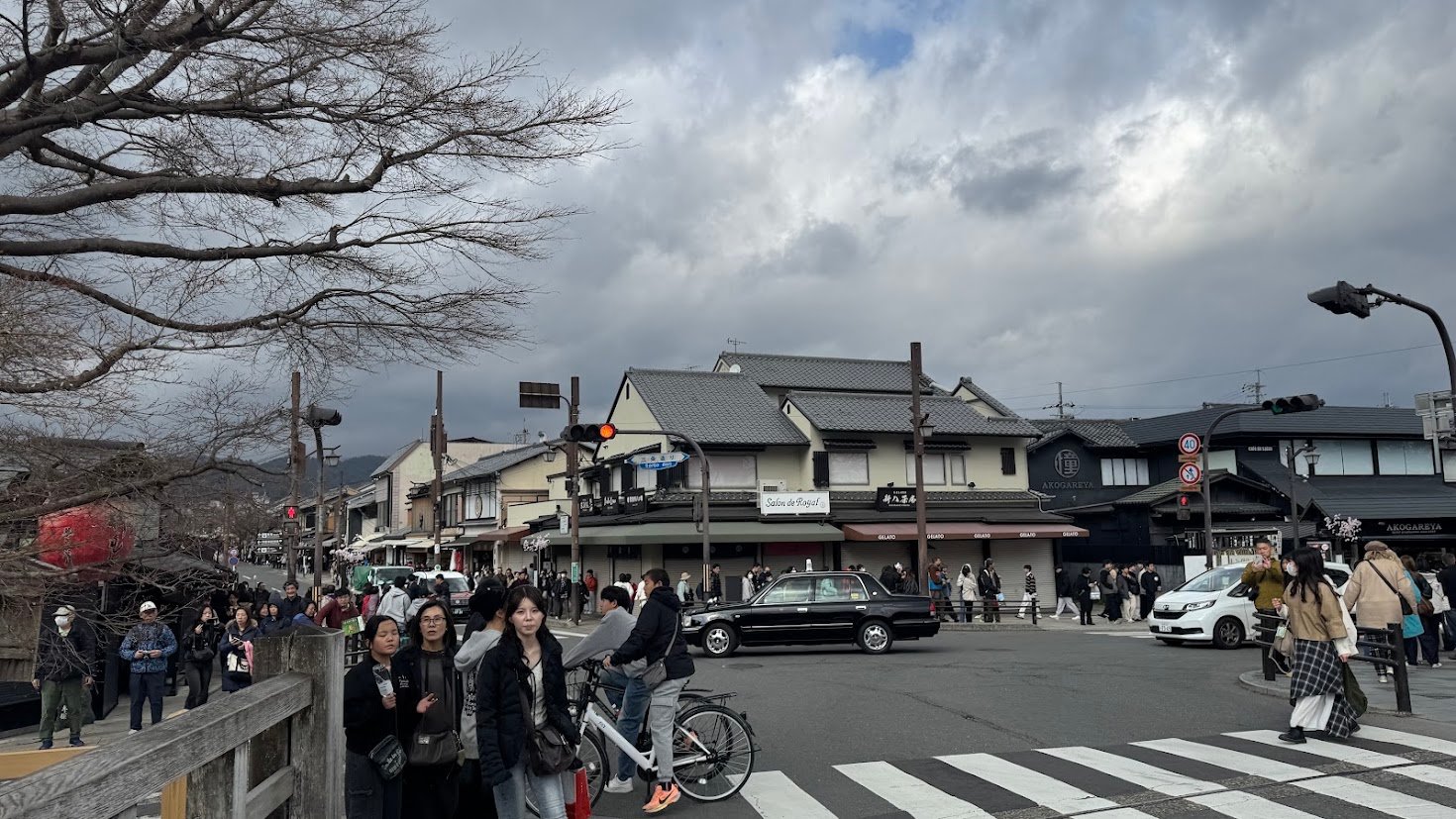
Before choosing the day’s route, check the Japan Meteorological Agency forecast. Its rain outlook and warnings help you decide whether an outdoor stop is still comfortable or whether to switch fully indoors.
Start With One Indoor Anchor
Choose one main indoor stop for the day. It can be a museum, aquarium, observatory, themed attraction, department store, food hall, or shopping complex. The anchor gives the day shape when the weather removes your outdoor plan.
Do not replace every outdoor stop with an indoor ticket. Too many timed reservations can make a rainy day more stressful than the original itinerary. Choose one paid anchor, then keep food and shopping flexible around it.
If the rain is light, you may still keep some outdoor stops. If shoes, bags, cameras, or children are getting soaked, pivot faster.
Affiliate disclosure: Some booking links in this article are Klook affiliate links. If you book through them, Incubhabe may earn a small commission at no extra cost to you. I include them where checking availability or reserving ahead can make your trip easier.
Want one dependable Tokyo indoor anchor? A timed attraction makes the rest of the rainy day easier to arrange around nearby meals and stations. Check Warner Bros. Studio Tour Tokyo ticket options.
Tokyo Rainy Day Ideas
Tokyo is strong in bad weather because neighborhoods have indoor depth. Shibuya, Shinjuku, Ikebukuro, Tokyo Station, Odaiba, Ueno, and Ginza can all hold a rainy block.
Use stations and malls strategically. A station area with food, shopping, lockers, and transit can rescue a day without needing a long exposed walk.
Timed attractions can work well, but check entry rules. If a popular indoor attraction is the main plan, book before the weather pushes everyone else indoors too.
Planning an Osaka rain backup? The aquarium is a practical half-day choice when exposed sightseeing no longer feels worth it. Compare Osaka Aquarium Kaiyukan tickets.
Osaka and Kansai Rainy Day Ideas
Osaka handles rain well because food, shopping, aquariums, malls, arcades, and covered areas are easy to combine. Namba, Umeda, and Osaka Aquarium-style plans can keep the day useful.
For Kyoto or Nara rain, decide whether the atmosphere is worth it. Some temples feel beautiful in light rain, but heavy rain can make walking routes slippery and tiring. Move the most exposed day if the forecast looks harsh.
If you are based in Osaka, use rain as a reason to keep the day local instead of forcing a long regional route.
Prefer immersive art indoors? A reserved entry can give your Tokyo day a clear anchor while leaving the rest of the route flexible. See teamLab Tokyo ticket options.
What To Pack and Change
Pack a small umbrella, quick-dry layer, waterproof pouch, and comfortable shoes. Japan convenience stores can help, but buying rain items during a downpour costs time.
Move photo-heavy stops to a clearer day when possible. Keep food streets, department stores, and indoor attractions as backup blocks.
If you have non-refundable tickets, build the day around them and reduce everything else. A rainy day can still work if you stop trying to preserve the full original plan.
How To Adjust the Plan for Your Group
Before booking anything, check who is actually traveling. A couple, a family with children, a barkada, and a group with older relatives need different pacing even when they choose the same destination. The right plan is the one your group can follow without starting every morning tired.
For early flights, protect the first day. Use it for check-in, one nearby meal, a short walk, and one easy photo stop. For late flights, protect the final day. Keep luggage, airport transfer time, and one last meal close together. A cheap or exciting activity can still be the wrong choice if it sits on the wrong side of your flight schedule.
For budget planning, separate fixed costs from flexible costs. Flights, hotels, transfers, major tickets, and reserved tours belong in the fixed bucket. Snacks, cafes, shopping, taxis, and extra desserts belong in the flexible bucket. This split helps you see whether the trip is truly affordable before the small purchases begin.
Final Pre-Booking Checklist
- Confirm the date, opening hours, meeting point, cancellation rule, and weather risk before paying.
- Check whether the activity fits your hotel area or whether it creates a long transfer at the wrong time of day.
- Compare the total cost for the whole group, not only the price shown for one person.
- Leave at least one flexible block for food, rest, shopping, photos, or weather changes.
- Save screenshots or confirmations for tickets, tours, transfers, hotel addresses, and support contacts.
This checklist keeps the article practical after the first read. You can use it while comparing tickets, reviewing a tour page, or deciding whether a day needs a guide. If an activity fails two or three checklist items, it probably needs a different date or should stay optional.
Use the same check the night before each travel day. Look at the weather, the first train or transfer, the opening time, and the meal plan. Then remove one weak stop if the day looks crowded. Most first trips improve when you cut the least important item before the day starts instead of forcing the group to quit halfway through.
Keep your indoor backup plan, ticket times, and daily budget together in my free Budget Travel Guide. If you prefer paper, my paperback travel planner on Amazon has space for your itinerary, accommodation, packing list, and daily notes.
DIY or Guided: How To Choose
Choose DIY when the route is close to your hotel, the transport is simple, and the group likes deciding in the moment. Choose a guided activity when the route is far, the timing is strict, the language barrier may slow you down, or the guide adds context you would not get alone.
The best choice can change by day. You might handle food and shopping on your own, then book a tour for a countryside route, history-heavy stop, or attraction with complicated transfers. This mix keeps the trip independent without making every hard part your problem.
Backup Plan If the Day Changes
Every strong itinerary needs a backup that sits near the original route. Choose one indoor stop, one easy meal area, and one shorter activity before the trip starts. If rain, heat, delays, or tired feet change the day, you can switch quickly without opening ten browser tabs in the hotel lobby.
The backup should not feel like a downgrade. Pick something your group would still enjoy: a food hall, mall, cafe street, museum, market, observatory, spa, aquarium, or neighborhood walk. The goal is to save the mood of the day, not to rescue every item from the original checklist.
This matters most on short trips because one bad day can affect the whole schedule. Keep the backup close, keep the next morning realistic, and avoid using rest time as the first thing you cut. A calm adjustment often protects the best part of the trip.
For any paid activity, read the emergency contact, late-arrival rule, pickup instructions, and refund terms before travel day. Those details feel boring during planning, but they become important when trains run late, rain changes the route, or one person in the group needs extra time.

What To Book, Skip, and Keep Flexible
| Book | Timed indoor attractions, aquariums, museums, and themed experiences when they are must-dos. |
| Skip | Long exposed walking routes during heavy rain. |
| Save | Food halls, malls, cafes, and station areas for flexible backup. |
| Watch out | Wet shoes, train crowding, umbrellas, and attraction sellouts. |
Common Mistakes To Avoid
- Keeping the original outdoor itinerary during heavy rain.
- Booking too many indoor tickets as replacements.
- Forgetting lockers, shoe comfort, and luggage movement.
- Crossing the city when a nearby indoor area would work.
Rain planning matters most when your trip is short. If you only have one Tokyo or Osaka day, build a backup before the forecast changes.
The best rainy day does not feel like a consolation prize. It gives you food, comfort, one strong attraction, and enough flexibility to stop fighting the weather.
Helpful Related Guides
- What To Book Before a Japan Trip
- Japan Transport for First-Timers
- Tokyo Disney, USJ, or TeamLab?
- How To Use Klook for First-Time Travelers
FAQ
What should I do in Japan when it rains?
Choose one indoor anchor, keep food and shopping nearby, and move long outdoor routes when possible.
Should I still visit temples in the rain?
Light rain can be fine, but heavy rain makes long walking routes tiring. Move exposed Kyoto or Nara days if you can.
Do indoor Japan attractions sell out on rainy days?
Popular timed attractions can sell out faster when the weather is bad, so book must-dos early.
What should I pack for rain in Japan?
Pack a small umbrella, waterproof pouch, quick-dry layer, and comfortable shoes.

Pingback: Tokyo Sumo September 2026: Tickets and Seat Guide