

Affiliate disclosure: Some booking links in this article are Klook affiliate links. If you book through them, Incubhabe may earn a small commission at no extra cost to you. I include them where checking availability or reserving ahead can make your trip easier.
For a first Japan trip, start with an IC card for city rides, then add a JR Pass or regional pass only when your route proves it will save money. Most travelers do not need every pass they see online. You need the transport setup that matches your actual cities, travel days, luggage, and appetite for train transfers.
This guide is for first-time visitors choosing between an IC card, single tickets, the nationwide JR Pass, and regional passes. It works best if you already know your rough route, such as Tokyo only, Tokyo plus Kyoto and Osaka, Osaka with Kansai day trips, or a longer multi-city route. If your itinerary is still loose, use this guide to decide what information you need before paying for anything.
Disclosure: This article may include affiliate links. If you book through those links, Incubhabe may earn a small commission at no extra cost to you.
Quick Answer
| Tokyo, Osaka, Kyoto, or Fukuoka city days | Use an IC card for local trains, subway rides, buses, convenience stores, and small daily payments. |
| One or two long shinkansen rides | Compare single tickets first. A pass may not save money if you only ride between two major cities. |
| Several JR rides in one region | Check a regional pass before the nationwide JR Pass. Kansai, Kyushu, and Tokyo-area routes often have better targeted options. |
| Flexible travel with luggage | Keep fewer hotel moves. A cheaper ticket can still feel expensive if the route burns energy every morning. |
Start With Your Route, Not the Pass
The mistake many first-time travelers make is choosing a pass before choosing a route. Japan has excellent trains, but the train network gives you too many choices when you start with products instead of places. A pass should answer a route problem: high shinkansen cost, repeated JR rides, a day-trip cluster, or a long transfer that would cost more with single tickets.
Write your overnight cities first. Then list the days when you move between cities. Separate those travel days from local sightseeing days. A Tokyo subway day and a Tokyo-to-Kyoto travel day do not need the same payment tool. Once you split the trip that way, the transport decision gets clearer.
For example, a Tokyo-only trip needs a simple IC card and maybe one airport transfer decision. A Tokyo, Kyoto, and Osaka route needs single-ticket math for the long shinkansen ride. An Osaka-based Kansai route needs a closer look at local railways, because JR is not the only useful train company in the region.
What an IC Card Solves
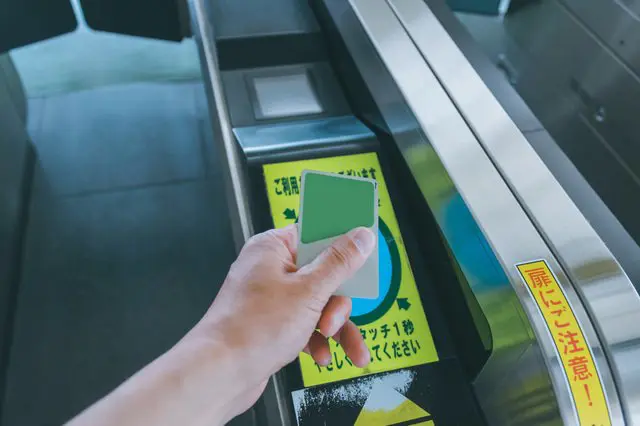
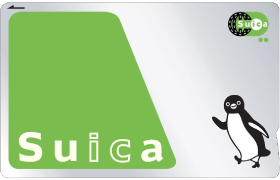
An IC card is the simplest transport tool for daily Japan travel. In Tokyo you may see Suica or PASMO. In Kansai you may see ICOCA. Travelers use these cards to tap in and out of trains, subways, buses, vending machines, convenience stores, lockers, and some shops. You still need enough balance on the card, and you still need to check whether a route accepts IC cards, but the card removes much of the small-ticket friction.
Use an IC card when your day includes neighborhood hopping, food stops, shopping areas, temples, markets, and short rides. You avoid standing at a ticket machine for every short trip. You also avoid calculating the exact fare before every ride. That alone makes Japan easier for first-time visitors.
An IC card does not replace every ticket. Some limited express trains, reserved seats, airport trains, and shinkansen routes need separate tickets or reservation steps. Treat the IC card as your daily wallet for local movement, not as a magic pass for the whole country.
When Single Tickets Make More Sense
Single tickets make sense when your long-distance travel is simple. If your route is Tokyo to Kyoto, Kyoto to Osaka, and then home, a nationwide JR Pass may cost more than buying the rides you need. The pass also may push you to add extra day trips just to feel you got value, which can make the trip rushed.
Single tickets also give you cleaner decisions when your group has different travel speeds. Some travelers want reserved seats. Some want luggage space. Some want a direct train instead of a cheaper transfer. When you buy the specific ride you need, you can choose the time, seat type, and route based on comfort rather than pass rules.
Before buying long-distance tickets, check whether you need oversized luggage reservations on the Tokaido, Sanyo, or Kyushu shinkansen. Also check whether your hotel is closer to a JR station, private railway, subway, or airport train. The cheapest ticket can lose its advantage if you need several awkward transfers with luggage.
When the JR Pass Can Still Work
The nationwide JR Pass can still work for travelers who cover several long-distance JR routes within the pass period. It may fit a route with Tokyo, Kyoto, Hiroshima, Osaka, and another long ride, or a fast multi-city itinerary with several shinkansen segments. The key is to compare your exact travel dates and routes before you pay.
Do not buy it because someone online said Japan requires it. Japan does not require it. Many first-time travelers now save money with single tickets or regional passes. The JR Pass has rules, eligible trains, seat reservation steps, and coverage limits. Check those details against your route before you decide.
If you want to browse activity and ticket options after your transport plan is clear, compare Japan transport and pass options only after you know your route. That order protects you from buying a pass because it looks convenient rather than because it fits.
Regional Passes Often Deserve a Look
Regional passes can be more useful than the nationwide pass when your trip stays in one area. Kansai travelers may compare JR West products with private railway passes, depending on whether the route leans toward Kyoto, Nara, Kobe, Himeji, Uji, or airport transfers. Tokyo-area travelers may compare passes for Nikko, Hakone, Mt. Fuji, Kawaguchiko, Kamakura, or airport routes. Kyushu, Hokkaido, and other regions have their own pass logic.
The important question is not whether a regional pass exists. The question is whether it covers the exact operators, stations, and days you will use. Some passes exclude the train company you need most. Others make sense only if you take two or three specific rides in a short window.
How To Decide in 10 Minutes
| Step 1 | List your overnight cities and airport. |
| Step 2 | Mark each intercity travel day, such as Tokyo to Kyoto or Osaka to Hiroshima. |
| Step 3 | Estimate single-ticket cost for the long rides. |
| Step 4 | Check whether a regional pass covers the same days better. |
| Step 5 | Use an IC card for normal city movement unless a local day pass clearly fits. |
You do not need perfect math for every subway ride. Focus your comparison on expensive intercity moves and airport transfers. Those are the decisions that change the budget. For regular city sightseeing, convenience matters because you will take small rides throughout the day.
Common Japan Transport Mistakes
The first mistake is buying a pass before the itinerary is stable. The second is assuming every train is JR. Japan also has subway lines, private railways, buses, airport trains, trams, ropeways, ferries, and local operators. A JR product only helps when your route uses eligible JR services.
The third mistake is changing hotels too often because the trains make it possible. A five-city route can look efficient on a map and feel tiring with luggage. If you want a smoother first trip, use fewer hotel bases and add day trips from those bases.
The fourth mistake is ignoring seat reservations and luggage rules. During busy seasons, fixed travel days, or routes with large bags, reserved seats can reduce stress. Even when a pass covers the fare, you still need to understand how reservations work.
Best Setup by Traveler Type
| First-time Tokyo visitor | IC card plus airport transfer plan. Skip national passes. |
| Tokyo, Kyoto, Osaka traveler | IC card plus single shinkansen tickets unless extra long JR rides are planned. |
| Osaka-based Kansai traveler | IC card plus regional pass check for Kyoto, Nara, Kobe, Himeji, Uji, and airport days. |
| Fast multi-city traveler | Compare JR Pass and regional passes against exact long-distance rides. |
| Family or luggage-heavy group | Prioritize direct routes, reserved seats, and fewer hotel moves over tiny fare savings. |
What To Book Before You Arrive
For a normal first trip, you can decide the IC card setup, airport transfer, and long-distance train plan before arrival. You may not need to buy every local ride early. If your trip includes a theme park, museum, food tour, Mt. Fuji day tour, or timed attraction, plan those separately from train passes. Transport helps you reach the day. It does not decide whether the day is worth booking.
If you plan to use mobile Suica or another phone-based card, check phone compatibility before you fly. If you prefer a physical card, check current availability and pickup options close to your arrival airport or major station. Availability can change, so verify near your travel date.
Helpful Related Guides
- What To Book Before a Japan Trip
- 11-Day Japan Kansai Itinerary From Osaka
- Tokyo Budget Travel Guide
- Best Travel Apps for Your Next Trip
- How To Use Klook for First-Time Travelers
FAQ
Do first-time visitors need a JR Pass in Japan?
Many first-time visitors do not need the nationwide JR Pass. Compare single tickets and regional passes against your exact route before buying.
Is an IC card enough for Tokyo?
For most local Tokyo train, subway, bus, and small daily payments, an IC card is enough. Airport trains, reserved seats, and shinkansen rides may need separate tickets.
Should I buy train tickets before arriving in Japan?
Buy or plan long-distance rides, airport transfers, and reserved seats when your dates are fixed. For short city rides, an IC card usually works better.
Are regional passes better than the JR Pass?
Regional passes can be better when your trip stays in one area. Check coverage, operators, stations, and valid days before buying.
Check the Current Transport Rules
IC-card availability and pass rules can change. Before deciding what to buy, check the official JNTO guide to IC travel cards.
A Few Booking Shortcuts, If You Need Them
You do not need to prebook everything. These are worth comparing only when they solve a real planning problem: Compare Japan eSIM options if you want maps and train searches ready on arrival; Check Tokyo airport-transfer choices when luggage or a late arrival makes a direct ride more useful. Compare the inclusions, meeting point, and cancellation terms before paying.
Keep Your Trip Plans in One Place
If you are still organizing your itinerary, budget, and accommodation notes, download my free Budget Travel Guide. It can help you compare options, track expenses, and avoid overpacking your schedule.
If you prefer writing things down, my paperback travel planner on Amazon has sections for transportation, accommodation, itinerary planning, packing lists, and daily notes.