
Travel scams can happen anywhere, even in places that feel safe and friendly. Most trips are still wonderful, but knowing the common warning signs can help you avoid stressful situations, protect your money, and make better decisions while you travel.
I like to think of scam prevention as part of trip planning. It does not mean traveling with fear. It means checking details, booking through safer channels, watching your belongings, and slowing down when something feels rushed or too good to be true.
Disclosure: Some links on this page may be affiliate links. I may earn a small commission at no extra cost to you if you book through them.
If you prefer booking activities through a bigger travel platform, you can check tours and activities on Klook before deciding what fits your trip.
Quick Travel Scam Safety Checklist
| Before booking | Compare prices, read recent reviews, check cancellation terms, and confirm what is included. |
| Before paying | Avoid rushed payment requests, cash-only pressure, strange links, or deals that feel unrealistic. |
| While out | Keep valuables close, confirm fares first, and be careful with overly friendly strangers who push you somewhere. |
| Online safety | Use official apps/sites, avoid public Wi-Fi for payments, and keep screenshots of confirmations. |
| If something feels wrong | Pause, walk away, ask your hotel or another trusted source, and do not be embarrassed to say no. |
Common Travel Scams to Watch For
Scams can look different depending on the country, but many follow the same pattern: someone creates urgency, confusion, guilt, or pressure so you make a quick decision.
- Overpriced taxis: A driver avoids the meter, takes a longer route, or gives a vague fare.
- Fake ticket sellers: Someone sells attraction tickets outside the venue or through an unofficial page.
- Closed attraction scam: A stranger says your planned attraction is closed, then redirects you to a shop or tour.
- Friendship bracelet or gift scam: Someone gives you something for “free,†then demands money.
- Fake petitions or donation requests: A group distracts you while another person targets your belongings.
- Too-good-to-be-true tours: A very cheap tour hides extra fees, shopping stops, or poor cancellation terms.
- Online booking scams: Fake websites, fake customer support numbers, or suspicious payment links imitate real brands.
Use Safer Booking Habits
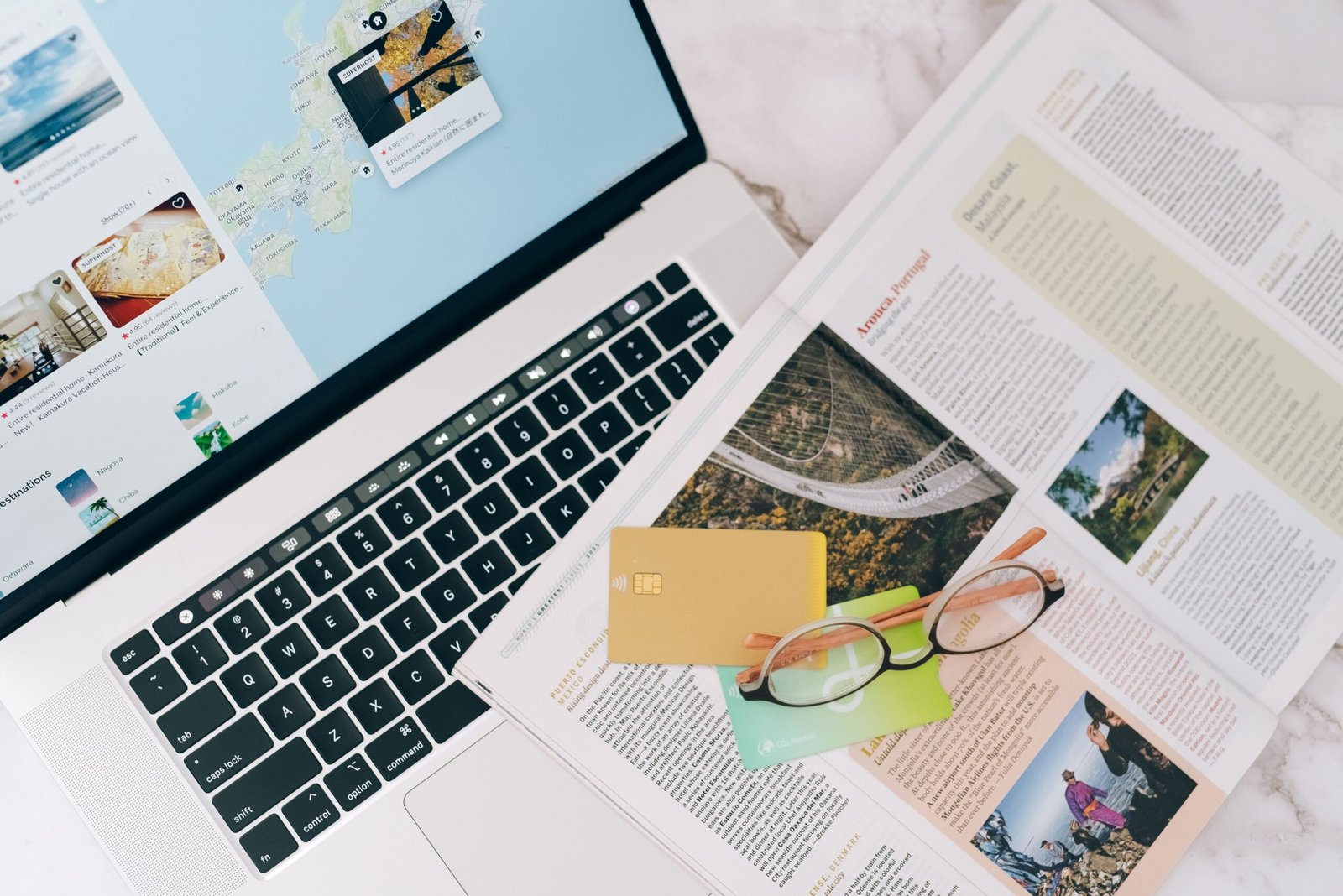
One of the easiest ways to reduce risk is to book through sources you can check. This might be an official attraction website, a hotel desk you trust, or a larger booking platform with reviews and clear terms.
For activities, I prefer comparing options before I commit. A platform like Klook tours and activities can help because you can see available experiences, inclusions, meeting points, reviews, and booking conditions in one place.
That does not mean every listing is automatically perfect. Still read the details. Look for recent reviews, clear inclusions, cancellation rules, meeting point instructions, and whether the experience matches your comfort level.
How to Spot a Risky Tour or Activity
Before booking a tour, slow down and check the details. A good listing should answer your basic questions without making you chase information.
- What exactly is included?
- Are entrance fees included or separate?
- Where is the meeting point?
- What time does it start and end?
- Are there recent reviews?
- What is the cancellation policy?
- Does the price make sense compared with similar options?
If a deal is vague, rushed, or only available through a suspicious payment method, skip it. You can always compare safer options through Klook, the attraction’s official site, or another trusted booking source.
Taxi and Transport Scam Tips
Transport is one of the most common places travelers get overcharged. This does not mean every driver is dishonest, but it helps to know the normal route and price range before you go.
- Use official taxi lines at airports and stations.
- Ask your hotel what a normal fare should cost.
- Use ride-hailing apps when they are available and legal.
- Confirm whether the meter will be used before getting in.
- Keep your route open on your phone if you feel unsure.
- Do not hand over luggage until you are comfortable with the fare.
Money and Card Safety While Traveling
Money scams often happen when you are distracted, tired, or trying to move quickly. Build small habits that protect you without making travel feel stressful.
- Carry only the cash you need for the day.
- Use a separate card for travel spending if possible.
- Count change before walking away.
- Cover your PIN at ATMs.
- Use ATMs inside banks, malls, or well-lit areas.
- Turn on transaction alerts for your cards.
Online Booking and Wi-Fi Safety
Travel scams are not only in the street. Some happen online before the trip even starts. Be careful with links from messages, social media ads, and fake customer support accounts.
- Type the website address yourself or use the official app.
- Avoid entering card details over public Wi-Fi.
- Check the URL before paying.
- Keep screenshots and email confirmations.
- Be suspicious if someone asks you to move payment outside the platform.
Helpful Travel Tools to Check Before You Go
These are not affiliate links, but they can make travel planning easier and reduce confusion while you are on the road:
- TripAdvisor – useful for recent traveler reviews and comparing some booking services.
- Lonely Planet – helpful for destination guides, travel tips, and background research.
- Google Translate – helpful when reading signs, menus, directions, or messages in another language.
- Maps.me – useful for offline maps when mobile data is limited or unreliable.
What to Do If You Think You Are Being Scammed
If something feels wrong, you do not have to be polite at your own expense. Step away, say no, or tell the person you need to check with your hotel or travel companion first.
If you already paid or shared information, act quickly:
- Contact your bank or card provider.
- Change passwords if login details were involved.
- Report the issue to the platform you booked through.
- Save screenshots, receipts, names, and messages.
- Ask your hotel, local tourist office, or local authorities for help if needed.
How to Stay Safe Without Losing the Joy of Travel
The goal is not to distrust everyone. Most people you meet while traveling are just living their everyday lives, and many are genuinely kind. Scam awareness is simply a tool that helps you move with more confidence.
Plan ahead, compare options, keep your belongings close, and give yourself permission to say no. If you want organized activities, use booking habits that reduce uncertainty: read reviews, check terms, and compare trusted options before you go.
Browse Klook tours and activities for your trip
Related Travel Planning Posts
- Effortless Trip Planning: A Step-by-Step Guide
- Simplify Your Travel Booking Online
- 7 Travel Mistakes to Avoid for a Smooth and Stress-Free Trip
- 5 Common Travel Overspending Mistakes to Avoid
- Airport Tips for First-Time Flyers
FAQ About Travel Scams
What is the most common travel scam?
Overcharging is one of the most common problems, especially with taxis, unofficial guides, and unclear tour pricing. Always confirm the price and inclusions before agreeing.
How can I avoid fake tour bookings?
Book through official attraction websites, trusted platforms, or providers with recent reviews and clear cancellation terms. Avoid suspicious payment links or requests to pay outside the platform.
Is it safer to book tours online before traveling?
It can be safer if you use reputable sites and check the details carefully. Booking ahead also gives you time to compare reviews, inclusions, and prices instead of deciding under pressure on the street.
What should I do if someone says an attraction is closed?
Check the official website, map listing, or attraction entrance before changing your plans. This is a common way to redirect tourists to shops, taxis, or unofficial tours.
Should I carry cash or card when traveling?
Carry a small amount of cash for daily needs and use cards carefully for larger payments. Keep backup payment options separate in case one card is lost or blocked.
Final Thoughts
Travel scam prevention is mostly about slowing down and checking details. If something feels rushed, unclear, or too good to be true, pause before paying.
With a little preparation, you can protect yourself without losing the fun of exploring. Use trusted booking sources, keep your confirmations, watch your belongings, and trust your instincts when something feels off.
A Simple Safety Check Before You Pay
Before you pay for a tour, transfer, hotel, or activity, pause and check the basics. Scams often work because the traveler feels rushed. A few minutes of checking can prevent a stressful money problem later.
| Check the seller | Look for a clear business name, contact details, recent reviews, and a working website or official platform page. |
| Check the price | Compare against two other sources. A price far below the normal range needs extra caution. |
| Check the terms | Read cancellation rules, meeting point details, inclusions, exclusions, and payment instructions. |
For Filipino travelers booking through social media, ask for the agency name, proof of accreditation when relevant, written inclusions, payment schedule, and refund terms. Keep screenshots and receipts in one folder until the trip ends.
Read Next
Documents To Save Before the Trip
Keep a folder with passport photos, travel insurance, hotel confirmations, tour vouchers, emergency contacts, and payment receipts. Save copies offline because airport Wi-Fi, roaming, or email login can fail when you need them.
For agency or package bookings, keep the written itinerary, inclusions, exclusions, payment proof, cancellation terms, and contact person in the same folder. If a problem happens, you can explain the issue faster.