

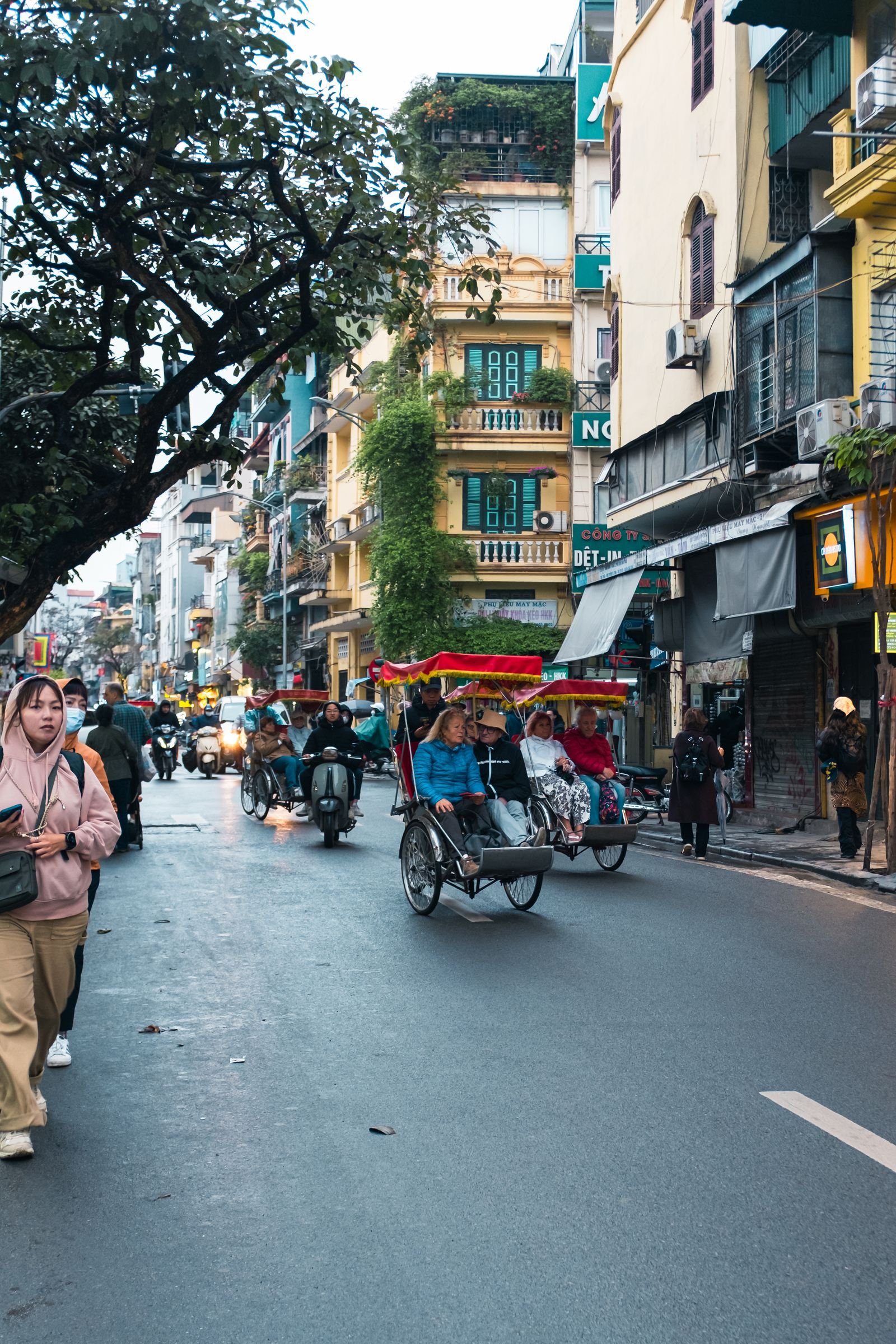
More from Incubhabe Travels: The photos in this guide come from my Incubhabe Travels trips. For more behind-the-scenes photos and practical route ideas, follow Incubhabe Travels on Facebook.
Choose the Region Before You Choose the Flight
For most first-time September trips, northern Vietnam is the strongest weather match. Hanoi moves toward a cooler, clearer period from September into November, while central Vietnam enters a wetter, storm-prone season. Southern Vietnam remains hot and rainy, often with heavy showers later in the day.
That does not make the north rain-free or the south a bad choice. It means the same September dates can produce three very different holidays. Pick the region that suits your priorities before a cheap multi-city fare locks you into unnecessary flights.
Affiliate disclosure: Some booking links in this article are Klook affiliate links. If you book through them, Incubhabe may earn a small commission at no extra cost to you. I include them where checking availability or reserving ahead can make your trip easier.
The official Vietnam Tourism weather and climate guide describes the country's regional patterns. Use it for seasonal direction, then check a current forecast and local advisories before each weather-sensitive trip.
September Weather at a Glance
| Region | Typical September pattern | Best fit | Main caution |
|---|---|---|---|
| North | Transition toward cooler, clearer weather | Hanoi food, history, Ninh Binh, possible Halong Bay | Storms and cruise changes can still occur |
| Central | Start of the wetter season in places such as Hue and Hoi An | Food and heritage travelers comfortable with rain | Heavy rain, tropical storms, flooding, rough seas |
| South | Hot rainy season, often with strong showers | Ho Chi Minh City food, museums, cafés, shopping | Outdoor and Mekong plans may need to move |
Early or Late September Can Feel Different
Seasonal weather changes do not begin neatly on the first day of the month. Northern conditions often improve as September progresses, while central Vietnam moves deeper into its wetter period. A September 3 trip and a September 28 trip should not be treated as identical.
Use long-term seasonal guidance to choose the region, then check the seven- to ten-day forecast for the actual schedule. A forecast that far out may still change, so use it to decide which day is more suitable for a boat or countryside trip rather than treating it as a promise.
For any severe-weather alert, follow official instructions and your transport provider. Do not travel to a closed port, flooded road, or restricted viewpoint because an older travel post says the route is normally open.
North Vietnam: Best Overall Match for September
Choose Hanoi if you want a trip built around food, history, coffee, and city neighborhoods. The official guide describes September to November as a cooler, clearer period for Hanoi, which gives the north an advantage over central beach routes at this time of year.
Hanoi also gives you several ways to adjust the day without changing the whole holiday. You can shorten an outdoor walk, spend longer over lunch, or move a day trip after checking the forecast.
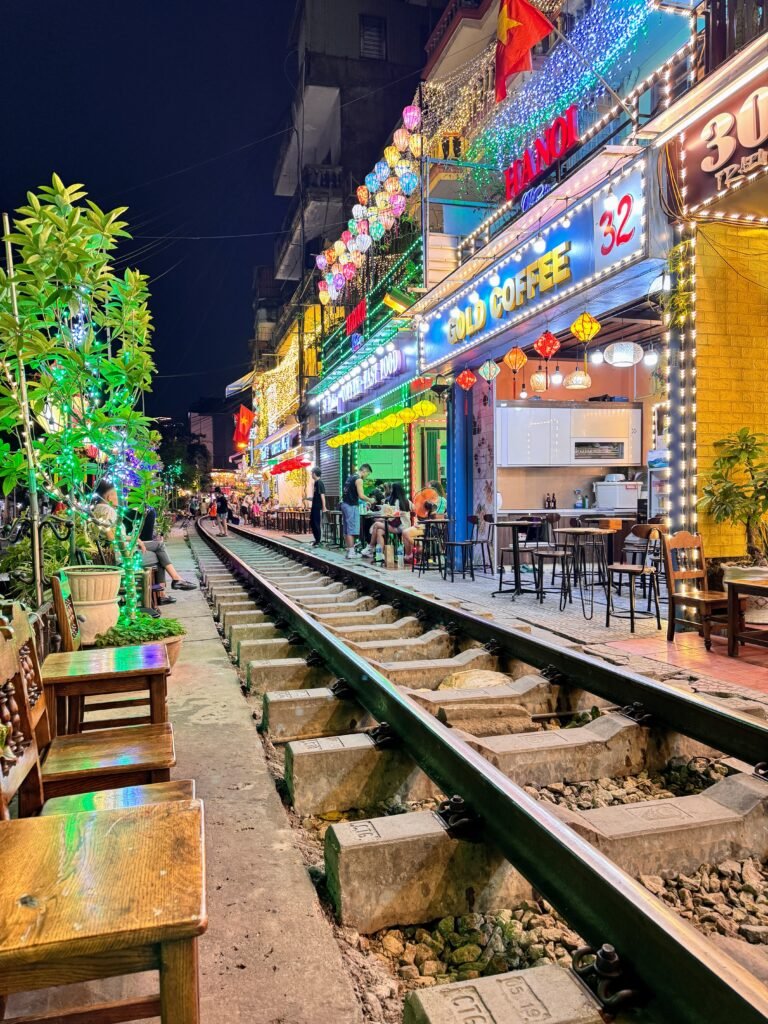
Add Ninh Binh if the forecast is stable
Ninh Binh can work as a day trip or an overnight from Hanoi. The experience depends on outdoor scenery and boat conditions, so choose a date with a reasonable forecast and a clear cancellation policy.
Treat Halong Bay as weather-sensitive
Vietnam Tourism lists September to November among the better periods for Halong Bay, but cruises can still change or cancel because of storms and port instructions. Keep a hotel plan for Hanoi and find out who pays for accommodation or transfers if sailing is cancelled.
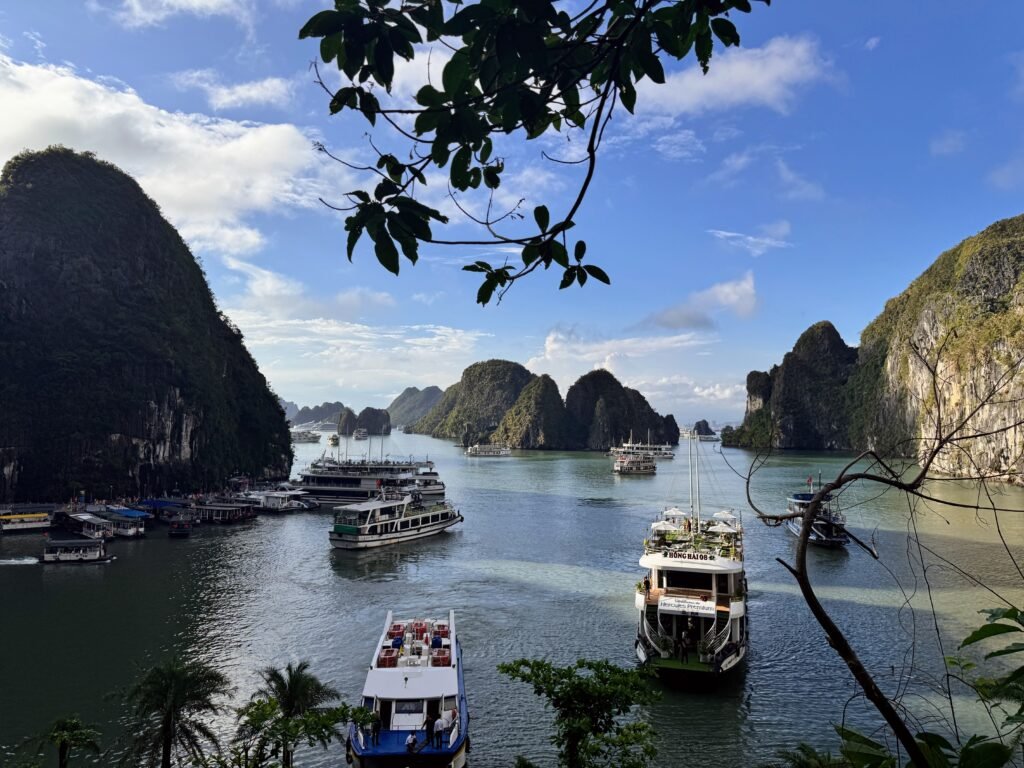
If you want transport handled, compare Hanoi, Ninh Binh, and Halong Bay options on Klook. Choose the route first, then check pickup, inclusions, and weather terms.
Central Vietnam: Highest Weather Risk
September is the start of a cooler rainy period in Hue, and Vietnam Tourism warns that tropical storms can hit central Vietnam hard from September. Hoi An and Da Nang can still have dry intervals, but a beach-focused or tightly scheduled outdoor trip carries more risk.
Choose central Vietnam in September only if food, heritage, and city atmosphere matter more to you than guaranteed beach time. Keep the itinerary in one base or two nearby bases, and avoid a long road transfer immediately before your international flight.
Flooding can affect streets even after the heaviest rain has passed. Ask the hotel about its location, airport route, and recent access conditions. Follow local notices rather than attempting to cross a flooded road because a map still shows it as open.
South Vietnam: Good for City Travelers Who Accept Showers
Ho Chi Minh City and the Mekong Delta remain in the rainy season from around May through November. Temperatures stay warm, and heavy rain can arrive for part of the day.
Choose the south if your priority is city food, museums, cafés, markets, and nightlife. Start longer outdoor routes earlier, and keep one indoor stop near the hotel. A shower does not automatically cancel the day, but low-lying streets and traffic can make transfers slower.
Treat a Mekong Delta excursion as the movable part of the trip. Confirm the boat conditions, pickup point, and cancellation terms close to the date.
If you prefer a guided day, compare Ho Chi Minh City and Mekong Delta tours on Klook. Prioritize a clear weather-change policy, a sensible pickup area, and a return time that does not put a flight at risk.
Phu Quoc Is a Poor Match for a Beach-Only Trip
The official weather guide identifies July through September as a wet period for Phu Quoc. Travelers can still visit, but a non-refundable resort trip built around clear water and daily beach time carries a high chance of disappointment.
If Phu Quoc is the main reason for your holiday, consider moving the trip to a drier period. If the island is already booked, use a flexible hotel rate and check marine conditions before boat activities.
Pick the Route That Matches Your Priorities
Choose Hanoi and the north for the best overall September fit, especially if food, culture, and one movable nature trip sound good.
Choose Ho Chi Minh City and the south if you enjoy urban trips and can work around intense showers.
Choose Hue, Da Nang, or Hoi An only if you accept the highest rain and disruption risk and would still enjoy the trip without dependable beach weather.
For a short visit, stay in one region. Hanoi plus Da Nang plus Ho Chi Minh City in one week spends too much time on airport transfers and exposes the trip to three weather systems.
Choose the Right Airport for the Region
Hanoi's Noi Bai International Airport is the usual gateway for the north. Da Nang International Airport serves the central route, including Hoi An transfers. Tan Son Nhat International Airport serves Ho Chi Minh City and many southern itineraries.
Check the airport code before paying, especially when a booking site displays several Vietnam fares together. A cheap arrival in one region does not help if you then need another flight and hotel transfer to reach the destination you wanted.
If you combine two regions, buy enough time between separate tickets. Airlines are not always responsible for a missed second flight when the bookings are unrelated. Keeping the final night near the international departure city is a simple way to reduce that risk.
For a late arrival, an early departure, or a group with several bags, compare Vietnam airport transfers on Klook. Confirm the airport, terminal, destination, waiting-time policy, and total vehicle capacity before paying.
What to Check Before a Weather-Sensitive Booking
- Who cancels the tour when conditions are unsafe?
- Do you receive a refund, credit, or new date?
- Is hotel pickup included after a route change?
- Does a cruise include a Hanoi hotel if the port closes?
- Can you move the activity without paying a new fare?
- Is the return timed too close to your flight home?
Use Vietnam's National Center for Hydrometeorological Forecasting for current weather and marine forecasts, and follow the local authority for the region you are visiting. Airlines, ports, rail operators, and tour companies remain the best sources for the status of a specific service.
Use my free Budget Travel Guide to compare region, airport, accommodation, and activity options before committing to a weather-sensitive route.
Useful Planning Links
Use Incubhabe's Vietnam daily budget guide for food, hotel, and transport costs. Check the travel insurance guide for policy questions, then read the actual exclusions before buying.
For maps, translation, rides, and other everyday tools, see Incubhabe's Asia travel apps guide.
For entry requirements, use the Vietnam Immigration Department e-visa portal. Government rules can change, so avoid relying on an old screenshot or a third-party blog for the final check.
Helpful Related Guides
- Vietnam Travel Costs: How Much You Spend per Day
- Is Travel Insurance Worth the Cost?
- Best Apps for Asia Travel
- First Asia Trip Planning Advice
FAQ
Which part of Vietnam is best in September?
Northern Vietnam is usually the strongest match. Hanoi moves toward cooler and clearer conditions, while central Vietnam enters a wetter period and the south remains in its rainy season.
Is Hoi An a bad idea in September?
It has a higher weather risk, especially for beaches and outdoor plans. Visit if you value food and heritage enough to enjoy the trip through rain, and keep transport flexible.
Does it rain all day in Ho Chi Minh City in September?
Not necessarily. Heavy showers may affect part of the day, but timing varies. Plan outdoor activities earlier and keep a nearby indoor option.
Can Halong Bay cruises be cancelled in September?
Yes. Port authorities and operators can change or cancel sailings when conditions are unsafe. Read the refund, hotel, and transfer policy before booking.
Should I visit all three regions in one September trip?
Only with enough time and a strong reason for each stop. For four to seven nights, one region usually gives you a calmer trip and fewer weather-sensitive transfers.