
Osaka is one of the easiest Japan cities for a first food trip, but it works best when you plan by area instead of chasing every famous dish in one night. Use Dotonbori for energy, markets for grazing, ramen or okonomiyaki for anchor meals, and one guided food experience only when it adds context or solves a group-planning problem.
This guide helps first-time visitors decide where to eat, what to book, what to keep flexible, and how to avoid turning Osaka food into a stressful checklist. It fits travelers using Osaka as a Kansai base for Kyoto, Nara, Universal Studios Japan, or a food-focused city break.
Quick Decision
| Best first food area | Dotonbori for signs, snacks, canal views, and a lively first Osaka night. |
| Best grazing plan | Kuromon Market or another market-style stop when you want small bites. |
| Book early | Food tours, cooking classes, and popular restaurants with fixed seating. |
| Keep flexible | Street snacks, dessert stops, convenience store finds, and second dinners. |
Use the official Osaka tourism guide to Kuromon Market to confirm access and current visitor details before you build a food crawl around one neighborhood.
Affiliate disclosure: Some booking links in this article are Klook affiliate links. If you book through them, Incubhabe may earn a small commission at no extra cost to you. I include them where checking availability or reserving ahead can make your trip easier.
Want context with your first bites? A small-group Dotonbori food tour can help you try several specialties without guessing which queues are worth it. Compare Dotonbori food tours.
Start With Dotonbori, But Do Not Put Everything There
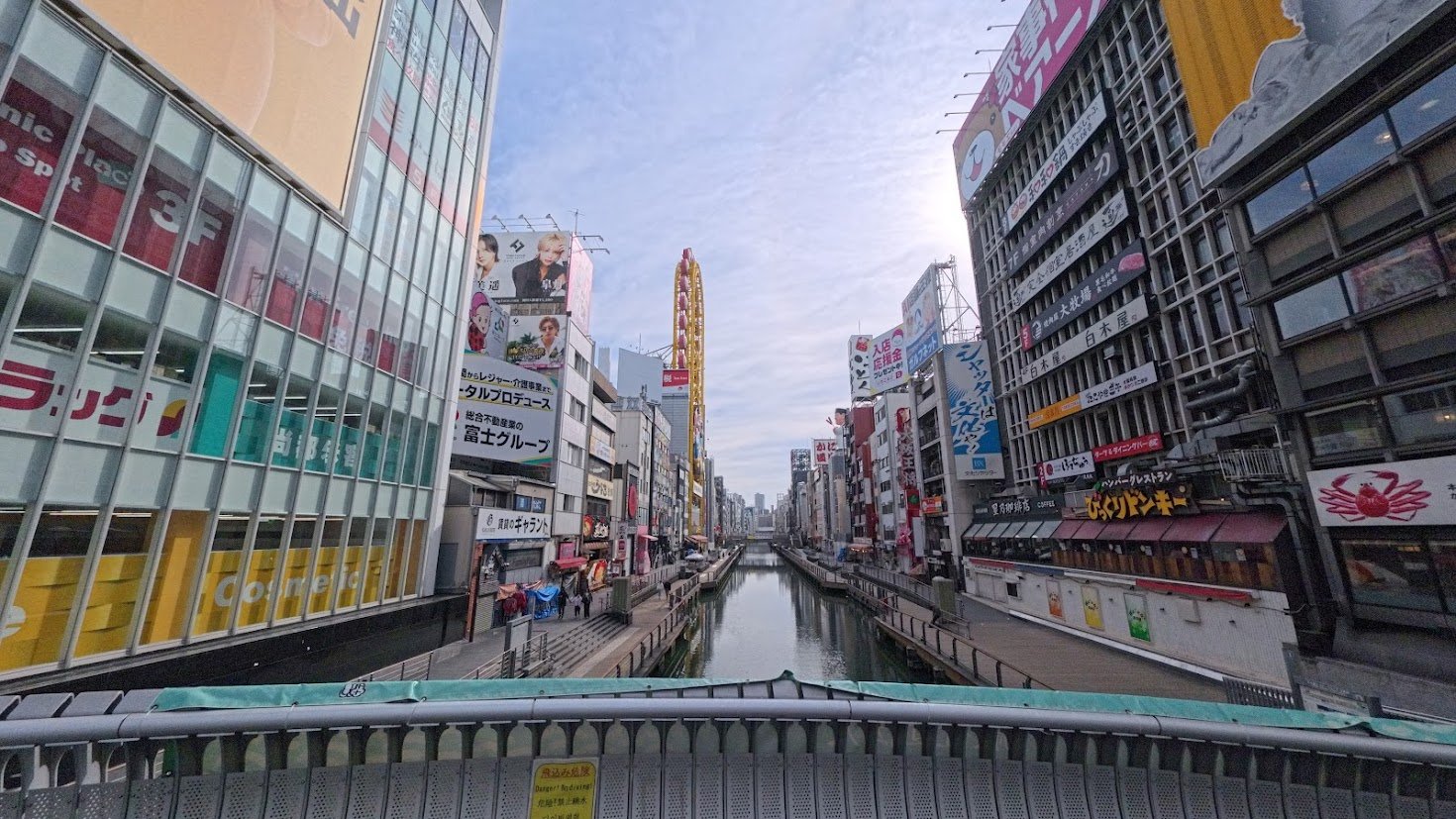
Dotonbori is the obvious first stop because it gives you the Osaka feeling fast: bright signs, canal views, takoyaki, okonomiyaki, ramen, dessert shops, and crowds. It is fun, easy to photograph, and useful for first-time travelers who want one place where the group can wander.
The mistake is making Dotonbori carry the entire food trip. It can get crowded, repetitive, and tiring if you arrive hungry with no plan. Choose one anchor meal, then leave room for snacks. If a line looks too long, move on. Osaka has too many good options to let one queue control the night.
If you stay near Namba or Shinsaibashi, Dotonbori can also work as a low-pressure arrival evening. Keep the first night simple: one meal, one canal walk, one dessert or convenience store stop, then sleep.
Curious about Kuromon Market? A guided market walk is most useful when it includes tastings and explains what you are buying. Browse Kuromon Market food tours.
Use Markets for Grazing, Not a Full Schedule
Markets are better when you treat them as grazing areas. Go with a small list of foods you want to try, but do not force every stall. Prices, crowding, and appetite can change the plan quickly.
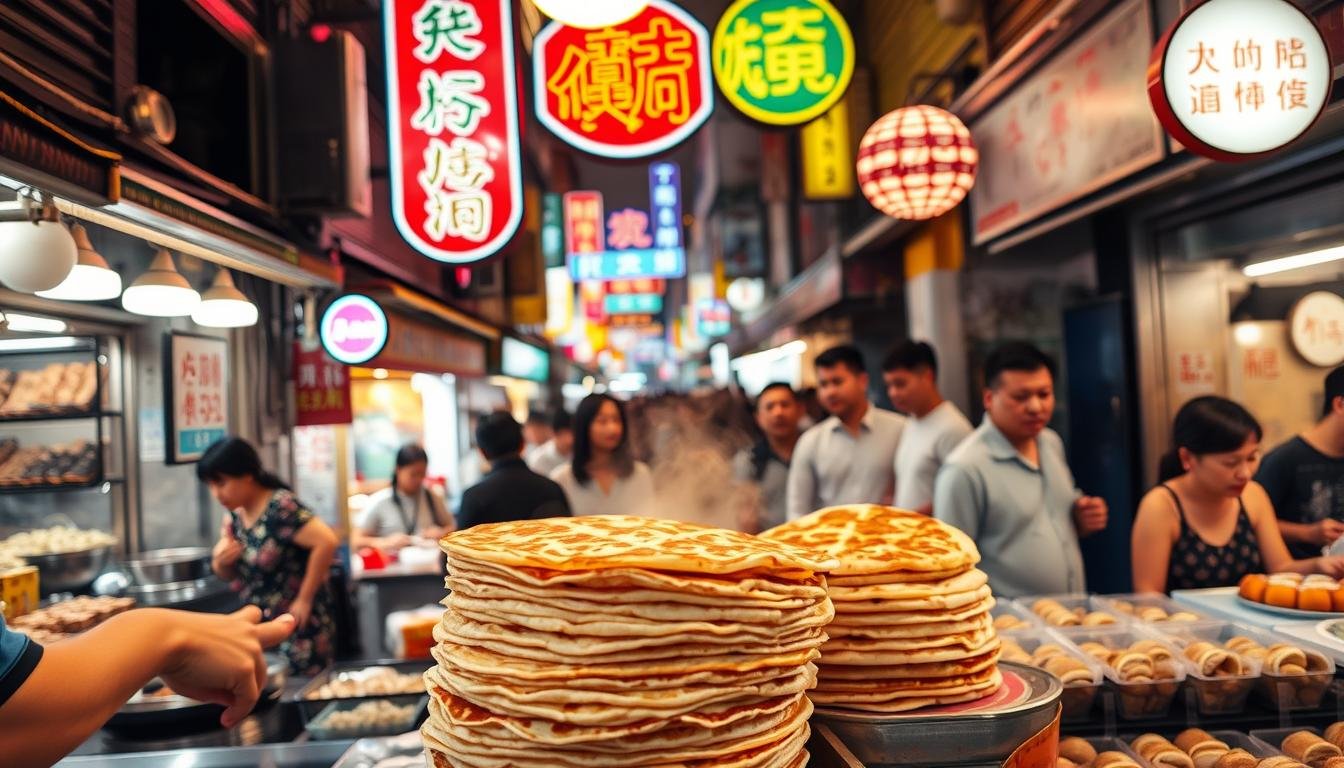
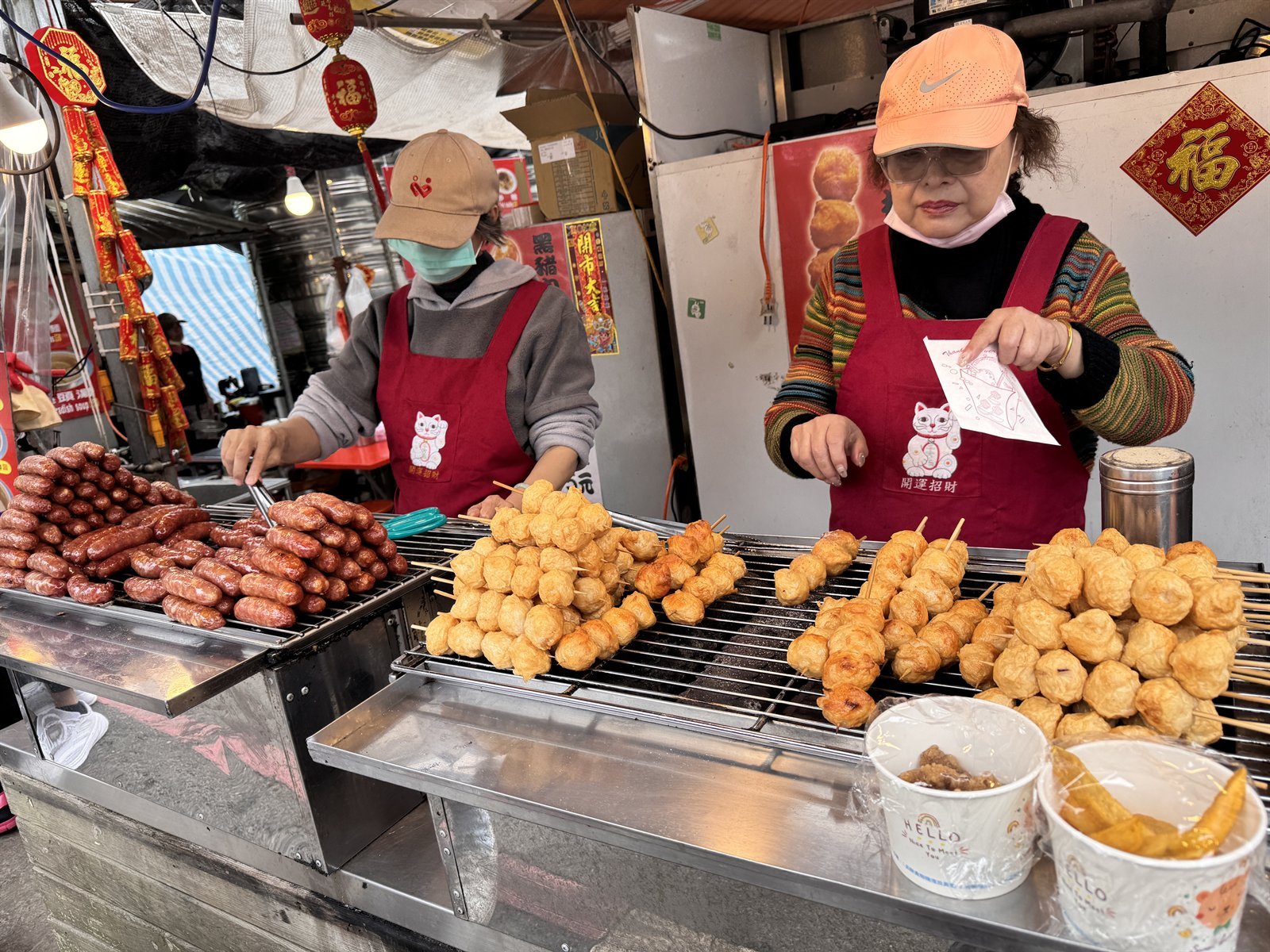
Kuromon Market can work for seafood, grilled bites, fruit, and snacks, but it is not the only way to eat in Osaka. If the group prefers seated meals, use the market as a short morning or lunch stop, then plan dinner somewhere calmer.
Bring cash and patience. Some stalls move fast, while others slow down when groups hover. Share portions when possible so you can try more without getting full in twenty minutes.
Want to bring one Osaka dish home? A hands-on cooking class gives you a recipe and technique instead of another rushed restaurant stop. See Osaka cooking classes.
Ramen, Okonomiyaki, Takoyaki, and Kushikatsu
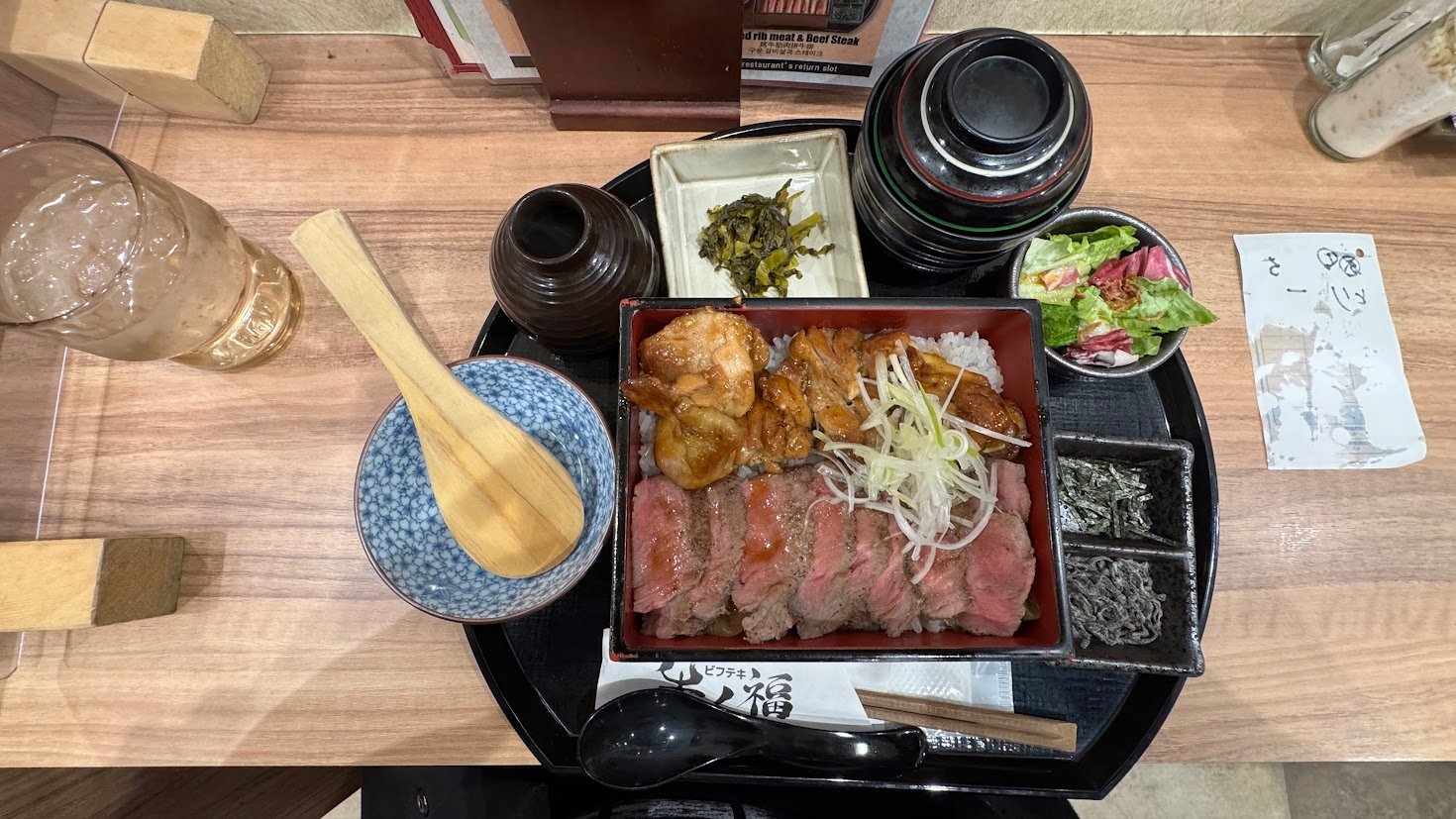
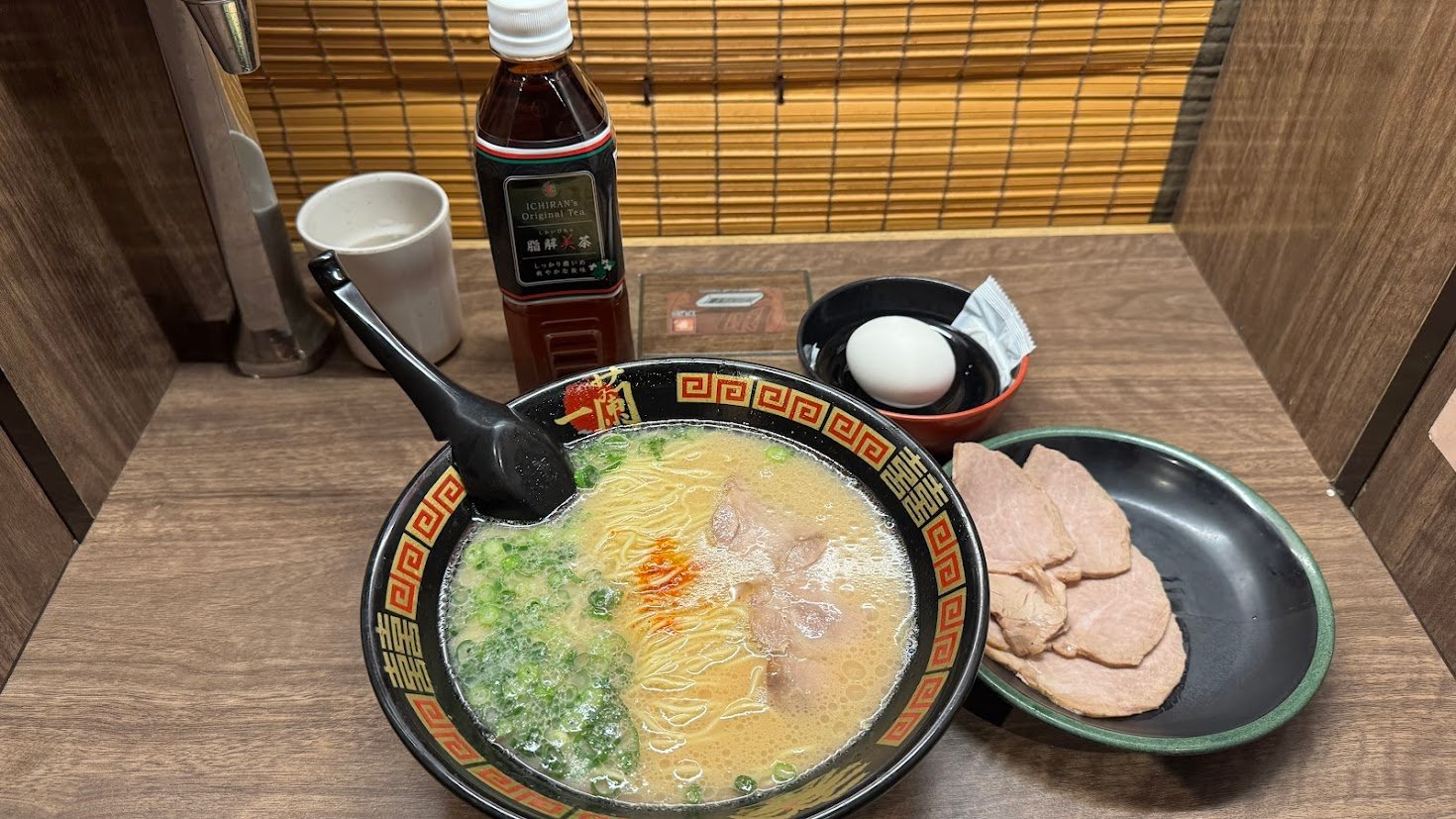
For a first Osaka food trip, choose dishes by meal type. Ramen works when people want a fast, filling, late meal. Okonomiyaki works better when the group wants to sit down. Takoyaki is a snack, not a complete dinner for everyone. Kushikatsu can be fun, but it is heavier than it looks.
Do not schedule all of these in one day. Osaka food is rich, salty, and snack-friendly, which means the group can get tired of eating before dinner even starts. Spread the dishes across different days or pair one heavy meal with a lighter walk.
If someone in the group has dietary limits, research a few backup restaurants near your hotel. Osaka can be easy, but not every place handles substitutions, English menus, or large groups well.
When a Food Tour Is Worth It
A food tour is worth booking when you want context, hidden alleys, local ordering help, or a smooth group night. It is less necessary if your group enjoys wandering, waiting, and choosing at the last minute.
Book a food tour early in the trip if you want it to shape the rest of your Osaka eating. A guide can explain dishes, neighborhoods, and habits that make later meals easier. Booking it on the last night can still be fun, but it gives you less time to use what you learned.
Check meeting point, included food, drink rules, walking distance, cancellation terms, and whether the tour suits children or older travelers. A cheap tour is not a good deal if it starts far from your hotel after a long Kyoto day.
How To Adjust the Plan for Your Group
Before booking anything, check who is actually traveling. A couple, a family with children, a barkada, and a group with older relatives need different pacing even when they choose the same destination. The right plan is the one your group can follow without starting every morning tired.
For early flights, protect the first day. Use it for check-in, one nearby meal, a short walk, and one easy photo stop. For late flights, protect the final day. Keep luggage, airport transfer time, and one last meal close together. A cheap or exciting activity can still be the wrong choice if it sits on the wrong side of your flight schedule.
For budget planning, separate fixed costs from flexible costs. Flights, hotels, transfers, major tickets, and reserved tours belong in the fixed bucket. Snacks, cafes, shopping, taxis, and extra desserts belong in the flexible bucket. This split helps you see whether the trip is truly affordable before the small purchases begin.
Final Pre-Booking Checklist
- Confirm the date, opening hours, meeting point, cancellation rule, and weather risk before paying.
- Check whether the activity fits your hotel area or whether it creates a long transfer at the wrong time of day.
- Compare the total cost for the whole group, not only the price shown for one person.
- Leave at least one flexible block for food, rest, shopping, photos, or weather changes.
- Save screenshots or confirmations for tickets, tours, transfers, hotel addresses, and support contacts.
This checklist keeps the article practical after the first read. You can use it while comparing tickets, reviewing a tour page, or deciding whether a day needs a guide. If an activity fails two or three checklist items, it probably needs a different date or should stay optional.
Use the same check the night before each travel day. Look at the weather, the first train or transfer, the opening time, and the meal plan. Then remove one weak stop if the day looks crowded. Most first trips improve when you cut the least important item before the day starts instead of forcing the group to quit halfway through.
Use my free Budget Travel Guide to organize food stops beside the rest of your Osaka itinerary and keep a separate food budget without packing too many neighborhoods into one day.
DIY or Guided: How To Choose
Choose DIY when the route is close to your hotel, the transport is simple, and the group likes deciding in the moment. Choose a guided activity when the route is far, the timing is strict, the language barrier may slow you down, or the guide adds context you would not get alone.
The best choice can change by day. You might handle food and shopping on your own, then book a tour for a countryside route, history-heavy stop, or attraction with complicated transfers. This mix keeps the trip independent without making every hard part your problem.
Backup Plan If the Day Changes
Every strong itinerary needs a backup that sits near the original route. Choose one indoor stop, one easy meal area, and one shorter activity before the trip starts. If rain, heat, delays, or tired feet change the day, you can switch quickly without opening ten browser tabs in the hotel lobby.
The backup should not feel like a downgrade. Pick something your group would still enjoy: a food hall, mall, cafe street, museum, market, observatory, spa, aquarium, or neighborhood walk. The goal is to save the mood of the day, not to rescue every item from the original checklist.
This matters most on short trips because one bad day can affect the whole schedule. Keep the backup close, keep the next morning realistic, and avoid using rest time as the first thing you cut. A calm adjustment often protects the best part of the trip.
For any paid activity, read the emergency contact, late-arrival rule, pickup instructions, and refund terms before travel day. Those details feel boring during planning, but they become important when trains run late, rain changes the route, or one person in the group needs extra time.
What To Book, Skip, and Keep Flexible
| Book | Food tours, cooking classes, and restaurants with fixed seating or limited slots. |
| Skip | Long queues that derail the whole night. |
| Save | Snack stops and dessert decisions for when appetite is real. |
| Watch out | Overstacking food after a Kyoto or Nara walking day. |
Common Mistakes To Avoid
- Treating Dotonbori as the whole Osaka food plan.
- Booking a food tour on the same night as a tiring day trip.
- Ordering full portions at every stop instead of sharing.
- Ignoring hotel location when choosing late-night food.
Osaka works well as a food base because it also connects easily to Kyoto, Nara, Kobe, and Uji. Protect at least one Osaka night instead of using the city only as a sleeping base.
For Filipino travelers, Osaka can feel familiar in its love of casual food and group eating. The best plan leaves time to wander, compare menus, and say yes to one snack you did not research.
Helpful Related Guides
- 11-Day Japan Kansai Itinerary
- Osaka, Kyoto, and Nara: What To Book
- Japan Transport for First-Timers
- How To Use Klook for First-Time Travelers
FAQ
Is Osaka good for a food trip?
Yes. Osaka is one of the easiest Japan food cities for first-time travelers because many famous food areas sit close to transport and hotels.
Should I book an Osaka food tour?
Book one if you want context, ordering help, or a smooth group night. Skip it if your group enjoys choosing freely.
What food should I try first in Osaka?
Start with takoyaki, okonomiyaki, ramen, kushikatsu, and one market or dessert stop.
Is Dotonbori enough for Osaka food?
Dotonbori is a strong start, but Osaka food is better when you also try markets, side streets, and neighborhood meals.