Japan During New Year 2026–2027: What Closes and What to Reserve Early
Japan during New Year can be a wonderful trip, but it needs a different itinerary from an ordinary winter visit. The safest approach is to choose one main city, avoid unnecessary hotel changes from December 29 to January 3, reserve important transport and attractions early, and leave January 1 flexible for a shrine or temple visit, a walk, and whatever is confirmed open nearby.
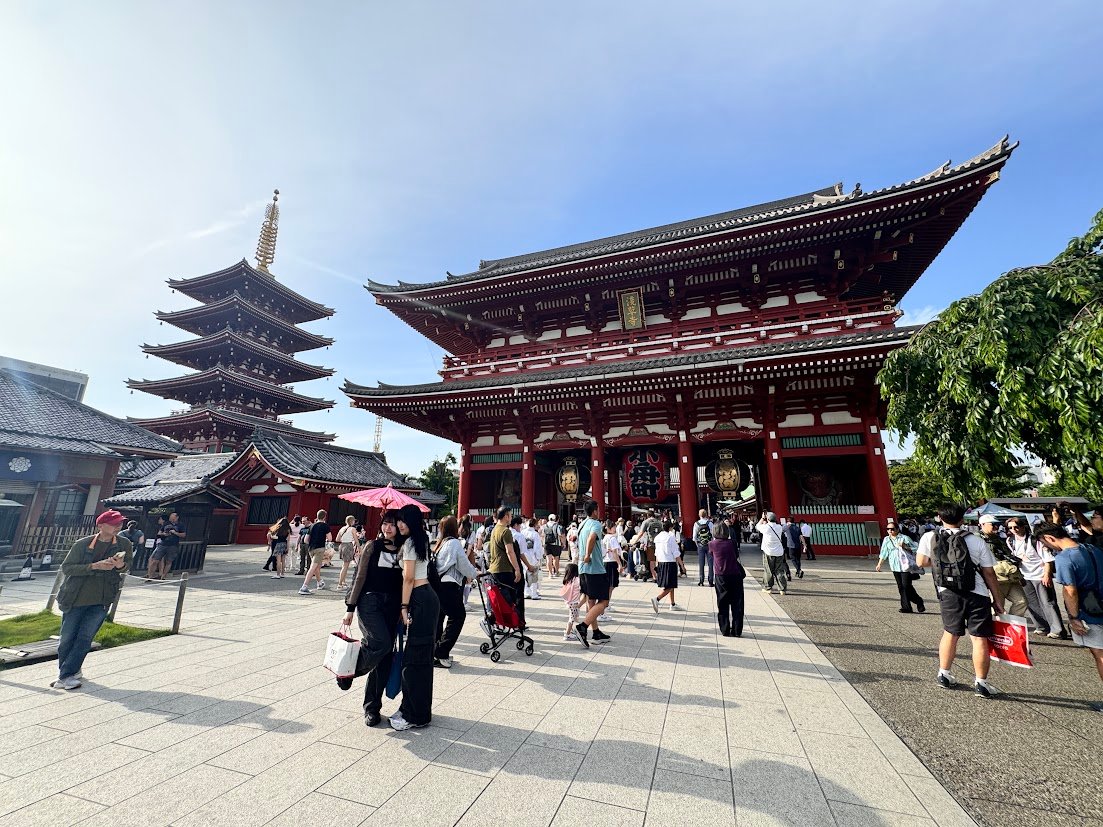
Japan's official tourism guidance identifies roughly December 27 to January 4 as a peak domestic travel period. Trains and hotels can be busy, while museums, smaller businesses, markets, and some attractions may close or use shorter hours. At the same time, shrines and temples can be especially lively for hatsumode, the first visit of the year.
Affiliate disclosure: Some booking links below are Klook affiliate links. If you book through them, I may earn a small commission at no extra cost to you. I include these links where checking availability or reserving ahead can make the trip easier.
The short answer: what usually closes?
There is no single nationwide closure calendar for everything travelers use. January 1 is a national holiday, and individual businesses decide their own year-end schedule.
| More likely to close or reduce hours | More likely to remain available, with exceptions |
|---|---|
| Government offices and many museums | Hotels and airport facilities |
| Smaller restaurants, cafés, and family-run shops | Convenience stores and some chain restaurants |
| Traditional markets on selected days | Major shrines and temples, often with large crowds |
| Some gardens and cultural facilities | Public transport, usually on holiday timetables |
| Selected department stores before their first sale | Major theme parks and ticketed attractions when their calendars show availability |
Treat this as a planning guide, not a promise that a particular branch will open. Check the official page for every priority attraction, restaurant, market, and transport service before assigning it to December 31, January 1, or January 2.
Use one city as your New Year base
If your trip is one week or shorter, Tokyo or Osaka makes a practical base. Staying in one city protects you from turning the busiest travel days into a chain of checkouts, luggage transfers, and reserved-train deadlines.
Tokyo gives you a large choice of neighborhoods, shrines, observation decks, shopping areas, and indoor attractions. Osaka works well if your wider trip focuses on Kansai, with Kyoto and Nara available as day trips once holiday schedules are clear.
If you are building a longer route, use my multi-city Asia planning guide before adding another hotel. A Tokyo-to-Kyoto move can work during New Year, but it should be a deliberate reservation rather than a casual decision made after arrival.
Plan December 31 and January 1 differently
December 31 is a transition day. Some businesses close early, transport may use a special timetable, and midnight service is not guaranteed on every line. Do not assume trains will run all night because an old blog post says they did in a previous year.
January 1 is better built around a simple neighborhood plan:
- a shrine or temple visit if you are comfortable with crowds;
- a park, waterfront, or self-guided walk;
- one confirmed-open attraction; and
- meals near your hotel, with a backup option.
Hatsumode is culturally meaningful and can be memorable, but famous sites may be extremely busy. A smaller neighborhood shrine can be more comfortable than joining the largest queue in the city.
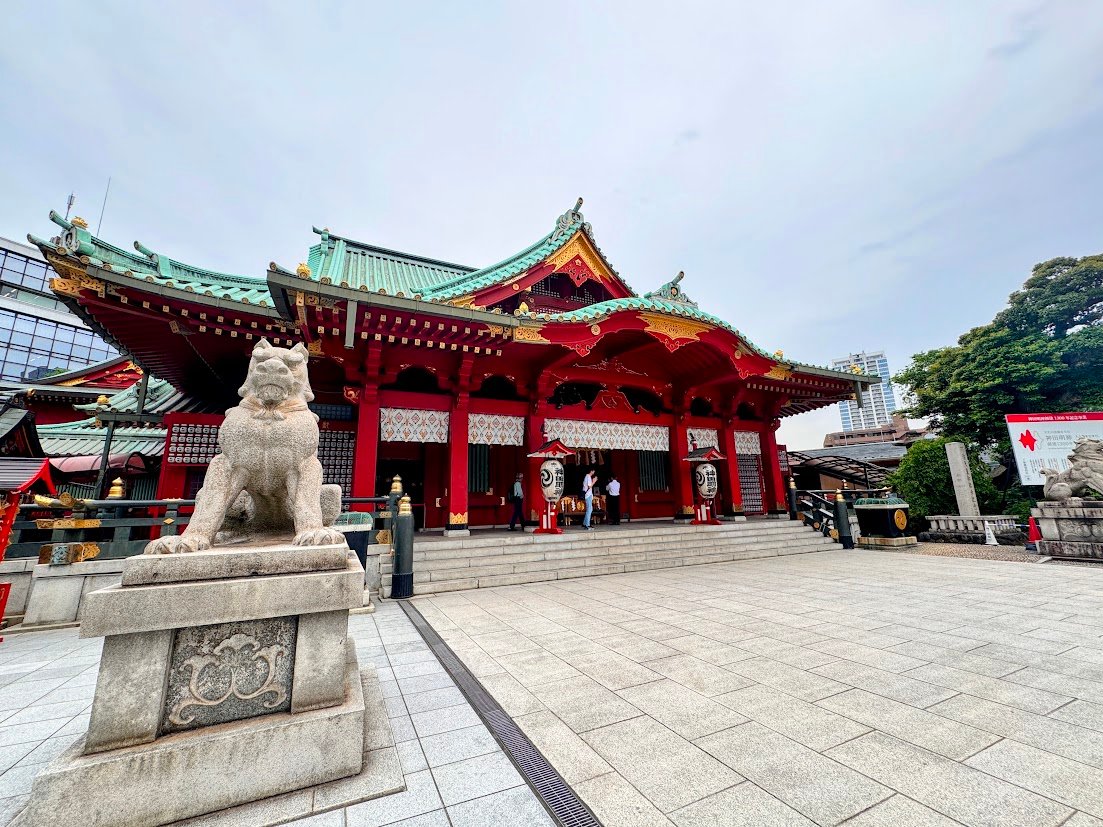
Senso-ji in Asakusa is another recognizable option, but it is also a major visitor draw. If you go, keep the rest of the day light and avoid attaching a timed booking immediately afterward.
Reserve intercity trains as soon as your route is fixed
New Year is one of Japan's busiest domestic travel periods. If you need the Tokaido Shinkansen between Tokyo, Kyoto, and Osaka, decide the city-change day early and reserve a seat when sales open for your train.
Do not buy a nationwide pass automatically. Compare the cost of your actual journeys with a JR Whole Japan Rail Pass. Travelers making only one Tokyo–Kyoto round trip may find individual tickets simpler, while a pass can make more sense for a genuinely rail-heavy route.
My Japan transport guide explains the difference between IC cards, regional passes, the nationwide JR Pass, and single tickets. Use that comparison before paying for unlimited travel you may not use.
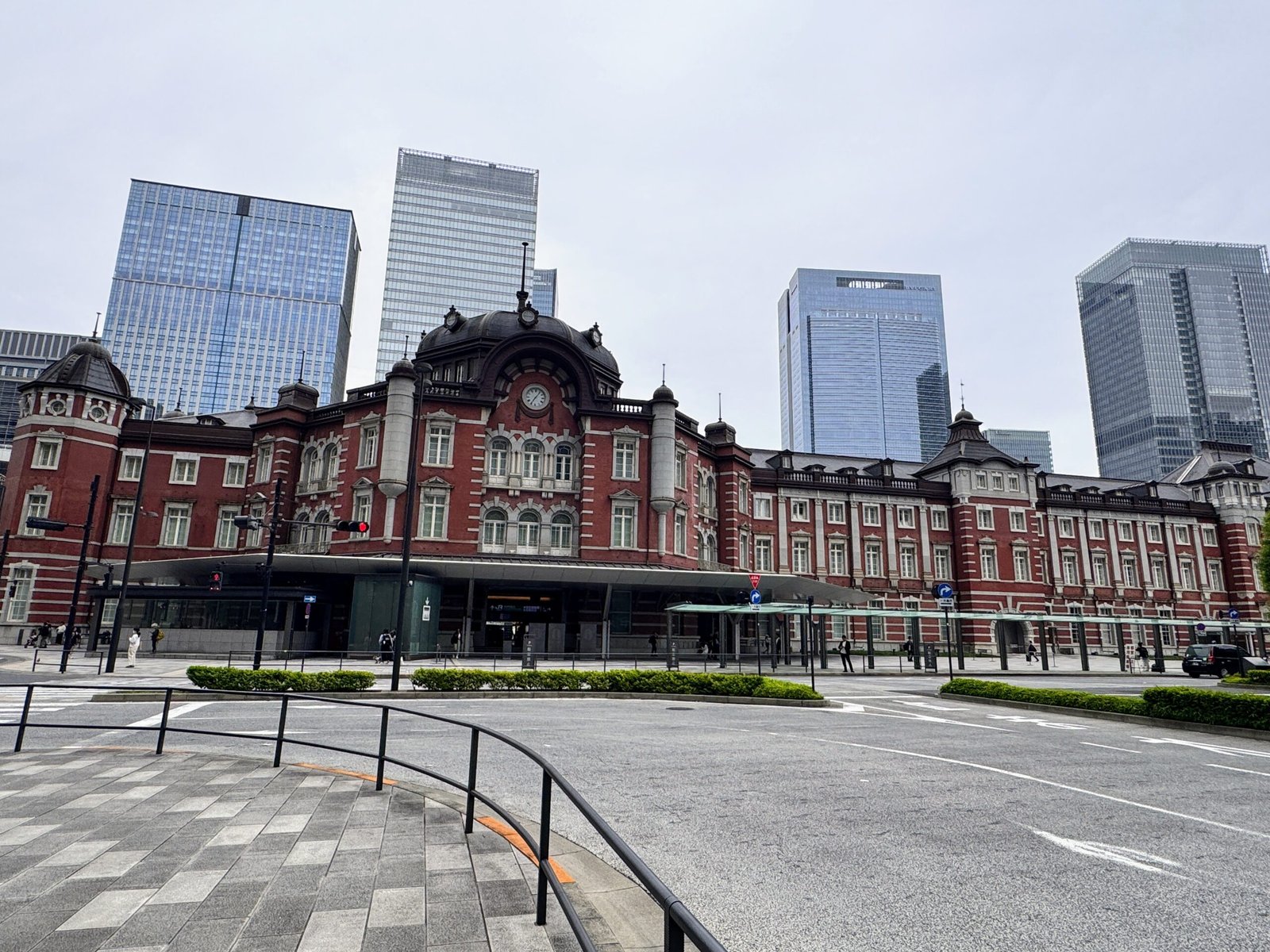
Leave extra station time if you have luggage. During crowded periods, finding the correct entrance, platform, and car can take longer than expected.
Book fixed-date attractions before flexible sightseeing
The attractions most likely to shape your itinerary should be booked first. That usually means theme parks and timed-entry experiences—not temples, shopping streets, or ordinary neighborhood walks.
For Tokyo, check availability for:
- Tokyo Disneyland or Tokyo DisneySea, using a ticket valid for your selected park and date;
- teamLab Planets, which uses timed entry; and
- teamLab Borderless, if Azabudai Hills fits your route better.
For Osaka, a Universal Studios Japan Studio Pass should be treated as a full-day decision. Check whether your chosen package includes only park admission or also timed-area access or an Express Pass.
Read my Tokyo Disney, USJ, or teamLab comparison if you only have room for one major ticketed experience. You do not need to book all of them simply because they are open.
Keep markets and food plans flexible
Do not make a traditional market your only meal plan for January 1. Wholesale, outer-market, restaurant, and individual stall schedules can differ, and year-end calendars may be published only closer to the holiday.
Choose one meal you genuinely care about and try to reserve it once the restaurant releases its schedule. For the rest, save several nearby options: a hotel restaurant, department-store dining floor, chain restaurant, convenience store, or supermarket with confirmed hours.
This is also a good reason to stay near a useful station. If one neighborhood is quiet, you can reach another area without turning lunch into a long search.
A realistic six-day Tokyo New Year itinerary
| Day | Main plan | Holiday safeguard |
|---|---|---|
| Dec 29 | Arrive and settle into one hotel | Eat near the hotel and avoid a late intercity transfer |
| Dec 30 | Major timed attraction | Confirm hours and reserve before departure |
| Dec 31 | Neighborhood sightseeing and early dinner | Check last-train and attraction closing times |
| Jan 1 | Hatsumode, walk, and one confirmed-open stop | Keep the day flexible and expect crowds |
| Jan 2 | Shopping area or theme park | Verify first-sale and park schedules |
| Jan 3 | Day trip or another city day | Reserve transport if leaving Tokyo |
You can swap the specific activities, but keep the structure: fixed booking before the holiday, low-pressure plans on January 1, and a day trip only after its transport and destination hours are confirmed.
What to confirm again in November or December
Several 2026–2027 details may not be published when you first book the trip. Recheck:
- official attraction calendars for December 29–January 3;
- museum, garden, and market closure notices;
- New Year's Eve train timetables and last services;
- shrine crowd-control routes and entry restrictions;
- restaurant holiday hours;
- luggage delivery acceptance and delivery dates; and
- weather or disruption notices for day trips.
The JNTO January guide is a useful overview of New Year travel, hatsumode, first sales, and winter conditions. JNTO also identifies New Year as a peak season when transport and accommodation can be crowded and more expensive.
Booking order for a lower-stress trip
1. Flights and one refundable hotel
Secure the base first. A hotel near a useful station is especially valuable when some restaurants and attractions have holiday hours.
2. Essential intercity transport
Reserve the train or domestic flight that connects confirmed hotel nights. Avoid placing the most important transfer late on December 31 without checking the exact timetable.
3. One or two itinerary-shaping attractions
Book the theme park or timed museum you would genuinely be disappointed to miss. Keep other days open until holiday calendars are published.
4. Airport transport and connectivity
Depending on your airport and hotel, an airport rail ticket or transfer may remove a decision after a long flight. Check the terminal, arrival time, final train, and cancellation conditions first.
If your phone supports it, a Japan eSIM can make it easier to verify opening notices and transport changes. Compare data allowance, validity, activation steps, and device compatibility.
My Japan booking guide can help you separate the reservations that matter from choices that are safe to leave until arrival.
If you are tracking hotel, train, and attraction costs, download my free Budget Travel Guide. My paperback travel planner on Amazon is another option if you prefer keeping reservation details and daily notes on paper.
Final thoughts
Japan is not closed for New Year, but it does slow down and reorganize around a major family holiday. A good itinerary works with that rhythm.
Choose one base, reserve the transport and attractions that cannot move, and give January 1 a flexible neighborhood plan. Check official schedules again closer to departure rather than copying last year's hours. You will have fewer surprises without losing the cultural experience that makes this period special.
Frequently asked questions
Is Japan closed on January 1?
No. Many offices, museums, smaller businesses, and restaurants close, but hotels, transport, shrines, temples, convenience stores, and selected major attractions may still operate. Check each place individually.
Do trains run in Japan on New Year's Day?
Yes, but services may follow holiday schedules. Overnight service on New Year's Eve varies by operator and line, so verify the official timetable for 2026–2027.
Should I reserve Shinkansen seats for New Year?
Yes, if an intercity journey is essential to your itinerary. New Year is a peak domestic travel period, and relying on a last-minute seat adds avoidable risk.
Is January 1 a good day for Tokyo Disneyland or USJ?
It can be if the park calendar offers tickets and a theme-park day is a priority. Expect holiday demand, check the selected-date ticket conditions, and do not assume a special New Year's Eve ticket is included.
How early should I book a Japan New Year trip?
Book flights and a refundable hotel as early as your dates allow. Add essential intercity transport when reservations open, then secure one or two fixed-date attractions. Recheck operating calendars in November and December.