
Planning a 7 day Asia trip cost is not as simple as calling Asia cheap. Based on my travels across different Asian countries, daily expenses vary widely depending on where you go, how you move, and how you travel. This guide breaks down a realistic 7 day Asia trip cost using real budget ranges by country to help you plan with clarity.
The Reality of Asian Travel Expenses
Planning a trip to Asia means knowing the costs involved. The price of traveling in Asia changes a lot. This depends on where you stay, what you eat, how you get around, and what you do.
Why Asia Offers Value for Every Budget Type
Asia welcomes all kinds of travelers, from those on a tight budget to those looking for luxury. There’s a wide range of places to stay, from hostels to fancy resorts. The food scene is also diverse, with cheap street food and expensive restaurants.
Asia is great because it fits any budget. You can save money or spend it, depending on what you want.
Key Factors That Will Impact Your Total Budget
Several things will affect your budget for an Asian trip. Accommodation costs a lot, with choices from cheap hostels to expensive resorts. Food prices vary too, from street food to fancy meals. Transportation costs, like flights and trains, also differ a lot. And the activities you pick will affect your budget, with some being free or cheap and others more pricey.
Knowing these factors helps you plan better and keep your expenses in check.
My Personal Approach to Asia Travel Budgeting
Planning a trip to Asia can be tough, but I’ve found a way to make it work. I’ve learned how to manage my money so I can travel without spending too much.
How I Track Real Expenses Across Different Countries
Keeping track of money is key when you’re in different places in Asia. I use a simple method to watch my spending:
- Maintain a daily log of expenses
- Use a budgeting app to categorize spending
- Keep receipts for all purchases
This method helps me stay on top of my spending. For example, I found that my daily costs in Vietnam were much lower than in Japan.
Essential Budget Categories for Accurate Planning
To plan well, it’s important to think about these budget categories:
- Accommodation: From budget hostels to luxury resorts
- Food and Dining: Street food, mid-range restaurants, and fine dining
- Transportation: Local transport, flights, and trains
- Activities and Attractions: Entrance fees, guided tours, and other experiences
By setting aside money for these areas, I’m ready for the different costs of traveling in Asia.
Accommodation Costs for a 7 Day Asia Trip
Accommodation costs are a big part of traveling in Asia. You can find everything from cheap hostels to fancy resorts. Prices change a lot based on where you are, what you choose, and what it offers.
I use Klook for accommodation, tours and activities across Asia. Easy booking. Clear pricing. Reliable partners. Try searching below.
Klook.com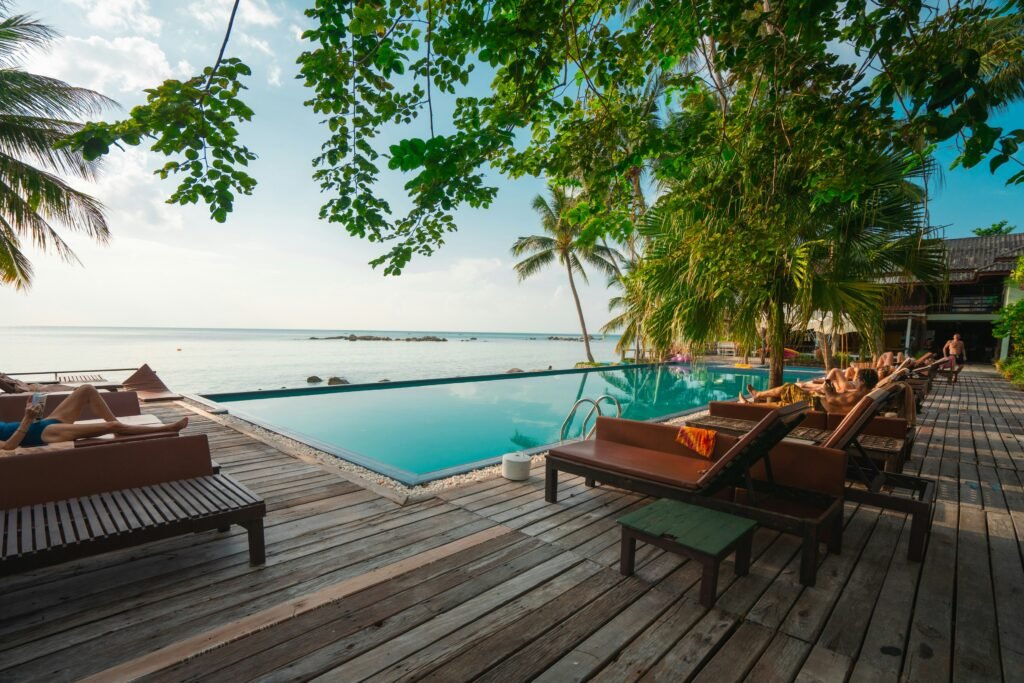
Budget Options: $5-30 per Night Hostels and Guesthouses
Asia has many places to stay that won’t break the bank. Hostels and guesthouses cost $5-30 per night. They offer basic things and a chance to meet other travelers. In places like Thailand and Vietnam, you can get dorms or private rooms for a good price.
Mid-Range Stays: $30-100 Hotels and Boutique Options
If you want something in the middle, expect to pay $30-100 per night. This includes hotels and boutique places that are more comfy and private. In cities like Kuala Lumpur and Taipei, you’ll find many mid-range hotels that offer great value.
Luxury Experiences: $100+ Resorts and High-End Properties
For luxury, Asia’s fancy resorts and hotels are unmatched. Prices start at $100+ per night. Places in Bali, Singapore, and Hong Kong have amazing amenities like spas, fine dining, and top service. It’s a stay you’ll never forget.
Food and Dining Costs on a 7 Day Asia Trip
Asia’s food scene is diverse, with everything from street food to fancy restaurants. Each option affects your travel budget in different ways. As I traveled, I saw big price differences in food, which changed my daily spending.
Street Food vs. Restaurant Dining: Where to Save and Splurge
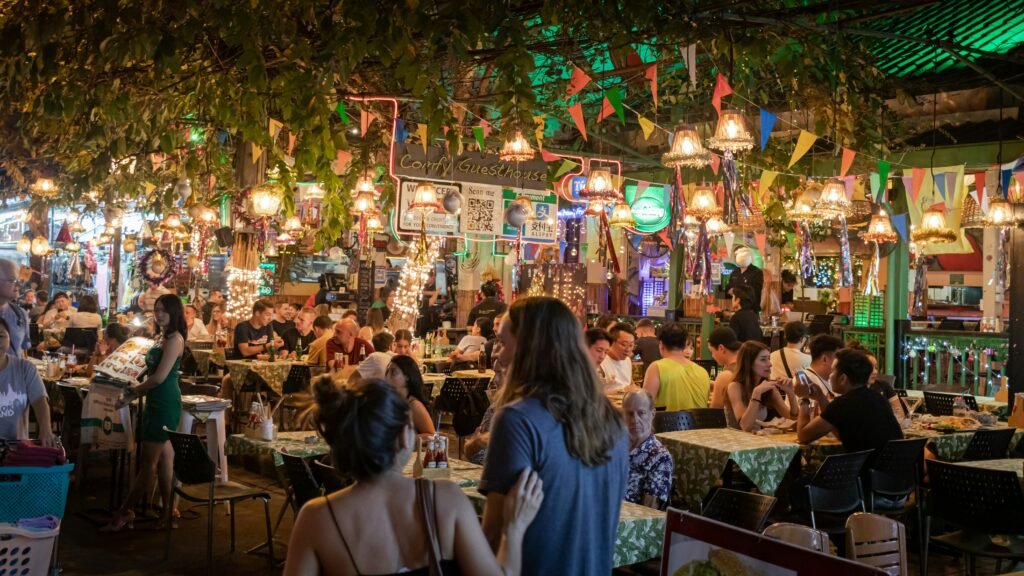
Choosing between street food and restaurants is a big decision for your food budget. Street food is tasty and cheap, with meals around $1-3. Restaurant meals, on the other hand, can cost $5-20, depending on the place.
Street food is a must-try in Asia, giving you a real taste of local culture for less. But, if you want a fancy meal, mid-range restaurants offer a good balance of price and quality.
Meal Costs in Thailand, Japan, Vietnam, and More
Meal prices vary a lot in different Asian countries. In Thailand and Vietnam, you can eat for $1-3. Japan is pricier, with meals around $5-10. Here’s a quick look:
- Thailand: $1-5 per meal
- Vietnam: $1-3 per meal
- Japan: $5-10 per meal
- South Korea: $3-7 per meal
If Taiwan is on your itinerary, exploring local night markets plays a big role in keeping food costs low. I shared a full breakdown of must try dishes and prices in my guide to the best street food in Taiwan.
Beverage and Nightlife Expenses That Add Up
Drinks and nightlife can also increase your spending. A beer in Asia is $1-5, and cocktails can be $5-15. Cities like Tokyo or Seoul have expensive bars and clubs.
To keep costs down, try local drinks like beer or fresh juices. Look for happy hour deals or local bars with cheaper prices.
Transportation: Getting Around on Any Budget
Asia has many ways to get around, from cheap tuk-tuks to fast metro systems. Each option fits different budgets. Knowing these choices helps plan a trip that’s easy on the wallet.
Local Transport Costs from Tuk-Tuks to Metro Systems
Traveling by local transport in Asia is both cheap and easy. Tuk-tuks, for example, start at $1-2 per ride. They’re a fun way to see cities like Bangkok and Hanoi.
Metro systems in places like Tokyo, Seoul, and Singapore are also good. They cost $1-3 for a single ride. This makes them a smart choice for getting around.
Key local transport costs:
| Mode of Transport | Average Cost | Frequency of Use |
|---|---|---|
| Tuk-tuk Ride | $1-3 | Common in Southeast Asia |
| Metro Ride | $1-3 | Available in major cities |
| Bus Fare | $0.50-2 | Widespread across cities and towns |
Country-Hopping: Flights, Trains, and Buses
Traveling between countries in Asia has many options: flights, trains, and buses. Flights are quick, with budget airlines offering good deals. For example, a Bangkok to Chiang Mai flight can be $20-30.
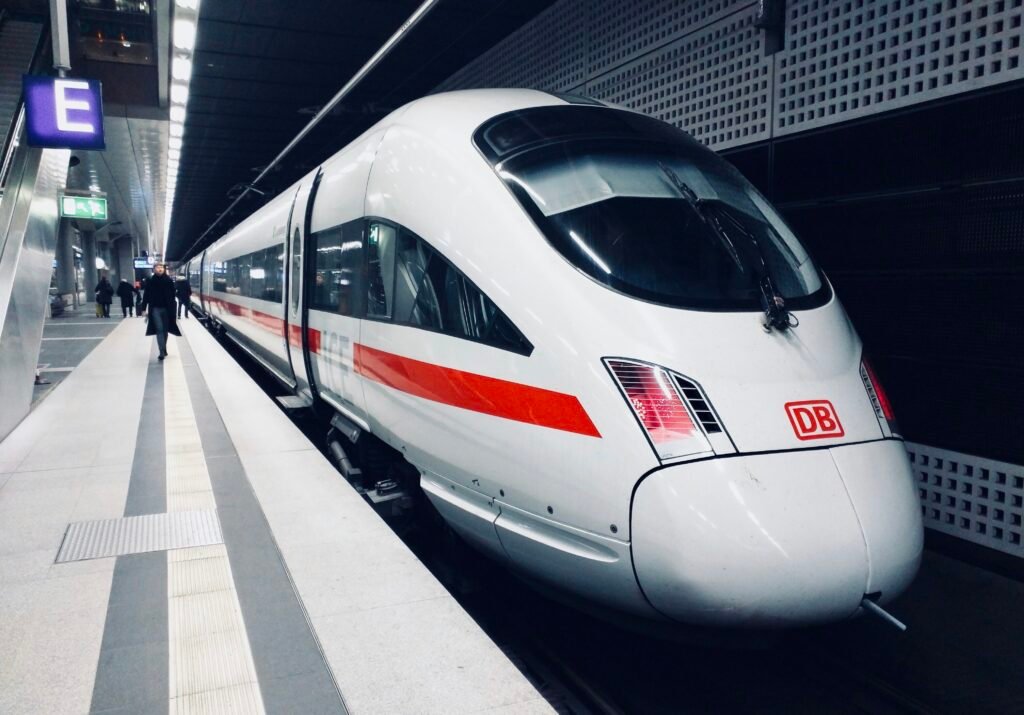
Trains are comfy, especially in Japan and Thailand. They link major cities. Buses are slower but cheaper for short trips.
Ride Apps vs. Traditional Taxis: Price Differences
Ride-hailing apps like Grab and Go-Van have changed Asia’s transport scene. They’re cheaper than taxis and offer easy payments and tracking. Using these apps can save 10-20% compared to taxis.
Knowing about different transport options and their costs helps travelers stay within their budget. This way, they can enjoy Asia without overspending.
Activities and Attractions: Where Your Money Goes
Asia has a wide range of experiences, from free cultural events to paid historical landmarks. Knowing the costs is key for budgeting.
Free Experiences vs. Paid Attractions Worth the Cost
Many Asian cities mix free and paid attractions. Visiting temples in Thailand or exploring night markets in Taiwan is free. But, some historical sites and museums charge an entrance fee. It’s smart to research which ones are worth the money.
Free experiences can be as valuable as paid ones. Walking through Japan’s historic districts or enjoying Vietnam’s street food gives cultural insights without spending extra.
Tour Pricing: Group vs. Private Experiences
Choosing between group and private tours affects costs. Group tours are cheaper since costs are split. Private tours are pricier but offer personalized service and flexibility.
- Group tours: Great for meeting others and led by experts.
- Private tours: Provide tailored experiences and a more personal touch.
How I Save on Tours and Activities Using Klook
Booking through Klook helps me save 15-30% on activities. This includes day tours and adventure activities.
Klook’s discounts and easy-to-use platform are great for staying within your Asia travel budget. Whether it’s a cooking class in Indonesia or a hike in Nepal, Klook has many options for all interests and budgets.
7 Day Asia Trip Cost: Detailed Budget Breakdown by Country
Planning a 7-day trip to Asia can be complex. Breaking it down by country makes it simpler. It’s important to know the daily costs of different countries to manage your budget well.
Asia offers a wide range of travel experiences for all budgets. From affordable options in Southeast Asia to more expensive places in East Asia, the cost of a 7-day trip varies a lot.
Budget-Friendly: Thailand ($30-70/day), Vietnam ($25-60/day), Indonesia ($30-80/day)
For those on a tight budget, Thailand, Vietnam, and Indonesia are great choices. In Thailand, you can spend $30 to $70 a day. You can enjoy street food, local markets, and affordable places to stay.
Vietnam is also budget-friendly, with daily costs from $25 to $60. Meals, transportation, and places to stay are all relatively cheap, making it perfect for backpackers and budget travelers.
Indonesia, especially Bali, is a popular spot for travelers. Daily costs range from $30 to $80, depending on your choices of accommodation, food, and activities.
| Country | Daily Expenses | Accommodation | Food | Transportation |
|---|---|---|---|---|
| Thailand | $30-70 | $10-30 | $5-15 | $5-10 |
| Vietnam | $25-60 | $8-25 | $3-10 | $3-5 |
| Indonesia | $30-80 | $15-40 | $5-15 | $5-10 |
Mid-Range: Malaysia ($50-100/day), Taiwan ($60-120/day), South Korea ($70-150/day)
For those with a mid-range budget, Malaysia, Taiwan, and South Korea are good choices. In Malaysia, you can spend $50 to $100 a day. You’ll find affordable places to stay, local food, and transportation.
Taiwan is known for its vibrant culture and food, costing $60 to $120 a day. Accommodation, meals, and transportation are relatively affordable, making it popular for mid-range travelers.
South Korea offers a mix of modern and traditional experiences, costing $70 to $150 a day. It’s pricier than some Southeast Asian countries, but the cultural experience is worth it.
| Country | Daily Expenses | Accommodation | Food | Transportation |
|---|---|---|---|---|
| Malaysia | $50-100 | $25-50 | $10-20 | $5-15 |
| Taiwan | $60-120 | $30-60 | $10-25 | $5-15 |
| South Korea | $70-150 | $35-70 | $15-30 | $10-20 |
Higher Cost: Japan ($100-200/day), Singapore ($100-200/day), Hong Kong ($90-180/day)
For those willing to splurge, Japan, Singapore, and Hong Kong offer high-quality experiences. In Japan, daily costs range from $100 to $200. This reflects the country’s high standard of living and unique cultural experiences.
Singapore is known for its modern infrastructure and high-quality services, costing $100 to $200 a day. It’s pricier, but offers a safe and efficient travel experience.
Hong Kong, with its East and West blend, costs $90 to $180 a day. Its dense urban environment and status as a financial hub contribute to its higher costs.
| Country | Daily Expenses | Accommodation | Food | Transportation |
|---|---|---|---|---|
| Japan | $100-200 | $50-100 | $20-40 | $10-30 |
| Singapore | $100-200 | $80-150 | $15-30 | $10-20 |
| Hong Kong | $90-180 | $60-120 | $15-30 | $10-25 |
My Proven Money-Saving Strategies for Asian Travel
After years of exploring Asia, I’ve found ways to cut down on travel costs. With smart planning and insider tips, you can have a great trip without spending too much.
Shoulder Season Travel: 20-40% Savings on Accommodations
Traveling during the shoulder season is a big money-saver. This time, between the busy and quiet seasons, can cut accommodation costs by 20-40%. For example, visiting Thailand in April or May can save you a lot on hotels and resorts.
Booking Tactics That Have Saved Me Hundreds
I’ve learned a lot about booking over the years. Always compare prices on different sites and look for deals that include everything. Travel apps and loyalty programs can also save you a lot. For instance, booking a hotel through Booking.com and using their free cancellation policy can help you find better deals.
Local Insights: Eating, Shopping, and Traveling Like a Resident
Getting tips from locals is key to saving money. Try street food, shop at markets, and use public transport. In Vietnam, eating at local places can save you up to 50% on food. Using tuk-tuks or metro systems is also cheaper and more fun than taxis.
- Eating at local eateries instead of tourist restaurants
- Shopping at local markets for fresh produce and souvenirs
- Using public transportation or ride-sharing apps
By using these tips, you can spend less and have a more real experience in Asia.
Conclusion: Balancing Your Budget for the Perfect Asia Experience
Traveling in Asia is an exciting adventure. You get to see different cultures, landscapes, and foods. It’s important to plan your expenses to enjoy your trip fully.
Every cost matters, from where you stay to what you eat and how you get around. Making smart choices can help you save money. You can stay in affordable places, eat street food, and use cheap transport.
Knowing the costs of activities and sights helps you spend wisely. This way, you can have a great time without spending too much. With good planning and flexibility, you can have a memorable trip in Asia, no matter your budget.