
Disclosure: This post may contain affiliate links. If you book through some links, I may earn a small commission at no extra cost to you. Autumn tour availability changes by season, so always confirm the latest details before booking.
Japan Autumn Leaves Guide: Best Places, Timing, and Trip Tips
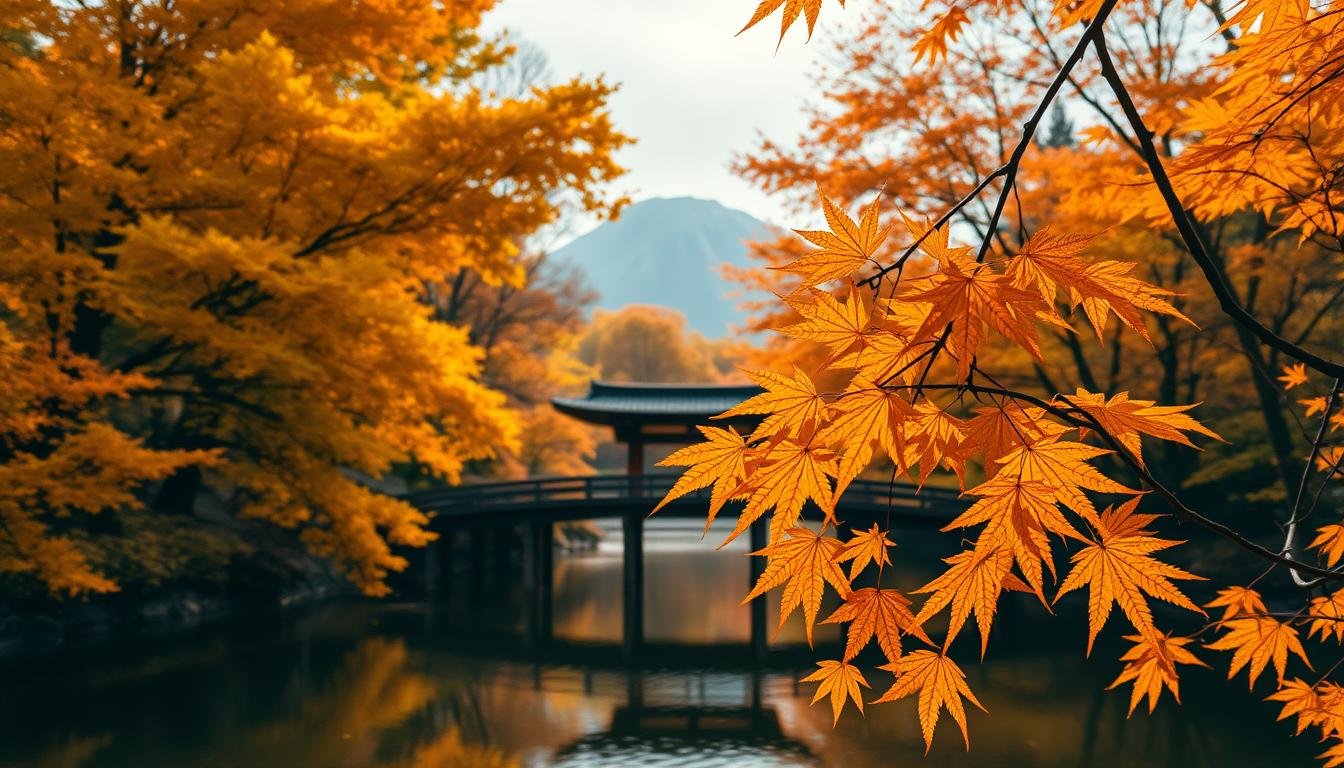
Japan in autumn is one of those trips that feels easy to romanticize: red maples, golden ginkgo trees, temple gardens, mountain valleys, and cool weather that makes walking around so much nicer. But the tricky part is timing. Autumn leaves do not peak across Japan all at once, so choosing the right region for your travel dates matters.
As of June 7, 2026, the major autumn foliage forecast pages are still best used for general timing and past-season reference. For a 2026 trip, check the latest forecast again closer to your travel dates, especially from September onward. Weather can shift peak color earlier or later.
- Best overall season: October to early December, depending on region and elevation
- Tokyo and Kyoto: usually best from mid-November to early December
- Hokkaido and high mountains: earlier, often late September to October
- Best strategy: match your dates to the region instead of forcing one fixed location
When To See Autumn Leaves in Japan
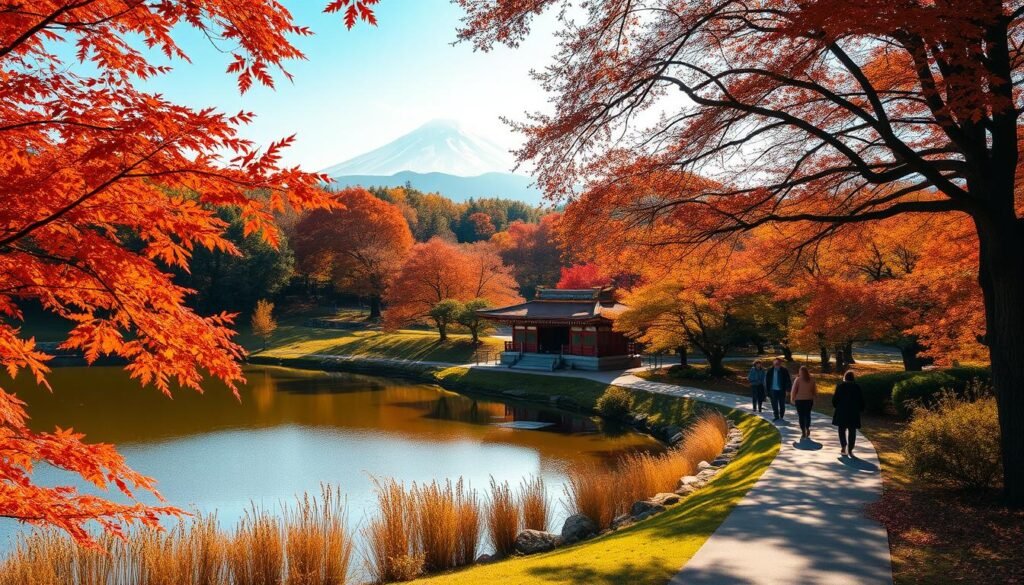
Japan’s autumn colors generally move from north to south and from higher elevations down to cities. The Japan National Tourism Organization notes that many parts of Honshu and Kyushu are comfortable in October and November, while Hokkaido gets colder earlier. JNTO also describes mid-November to early December as a beautiful period for vivid colors in many popular areas.
| Region | Typical Timing | Good For |
|---|---|---|
| Hokkaido / Daisetsuzan | Late September to October | Early foliage, mountain scenery |
| Tohoku | October to early November | Gorges, castles, quieter nature spots |
| Tokyo / Nikko / Mt. Fuji area | Late October to early December | City parks, day trips, lake and mountain views |
| Kyoto / Osaka / Nara | Mid-November to early December | Temples, gardens, classic maple views |
| Central Japan / Japanese Alps | October to November | Villages, hiking, mountain routes |
For real planning, I like using this timing table as a starting point, then checking a current forecast before locking the day-by-day route. If you are booking tours, look for flexible cancellation terms because foliage is beautiful but not perfectly predictable.
Best Places To See Autumn Leaves in Japan
Daisetsuzan National Park, Hokkaido
Daisetsuzan is one of the earliest places in Japan to see autumn colors because of its northern location and mountain elevation. It is best for travelers who love nature, hiking, ropeways, and cooler weather. Pack layers because mountain conditions can change quickly.
Nikko, Tochigi
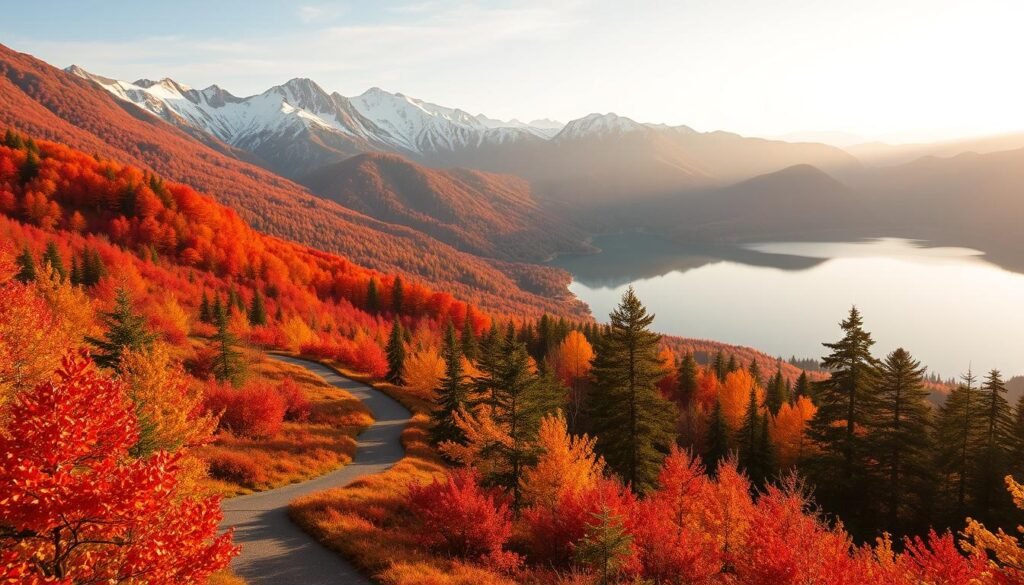
Nikko is one of the best autumn day trips from Tokyo because you can combine shrines, waterfalls, lake views, and mountain roads. Lake Chuzenji and Kegon Falls are especially popular when the colors are peaking. If you do not want to manage transport on your own, check a Nikko autumn day tour on Klook.
Meiji Jingu Gaien and Tokyo Parks
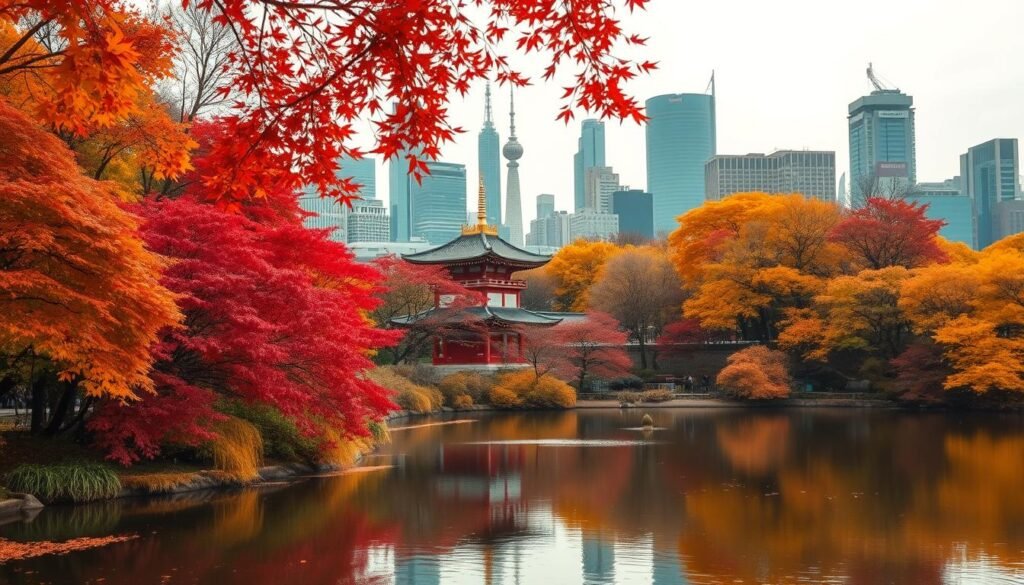
If you are staying in Tokyo, you do not need to leave the city to enjoy autumn. Meiji Jingu Gaien is known for its golden ginkgo avenue, while Rikugien and Shinjuku Gyoen are good garden options. Tokyo foliage usually peaks later than mountain areas, so it can work well for late November trips.
Mount Takao
Mount Takao is a beginner-friendly nature escape from Tokyo. You can hike, use the cable car, and enjoy city-to-mountain contrast without planning a complicated trip. It gets busy during peak foliage weekends, so go early if you want a calmer walk.
Lake Kawaguchiko and Mt. Fuji
Lake Kawaguchiko gives you the classic combination of Mt. Fuji and autumn leaves. The annual autumn leaves festival area can be very photogenic, but visibility depends on weather. For a simpler day trip, you can compare Mt. Fuji and Kawaguchiko autumn tour options on Klook.
Kyoto: Arashiyama, Tofukuji, and Kiyomizu-dera
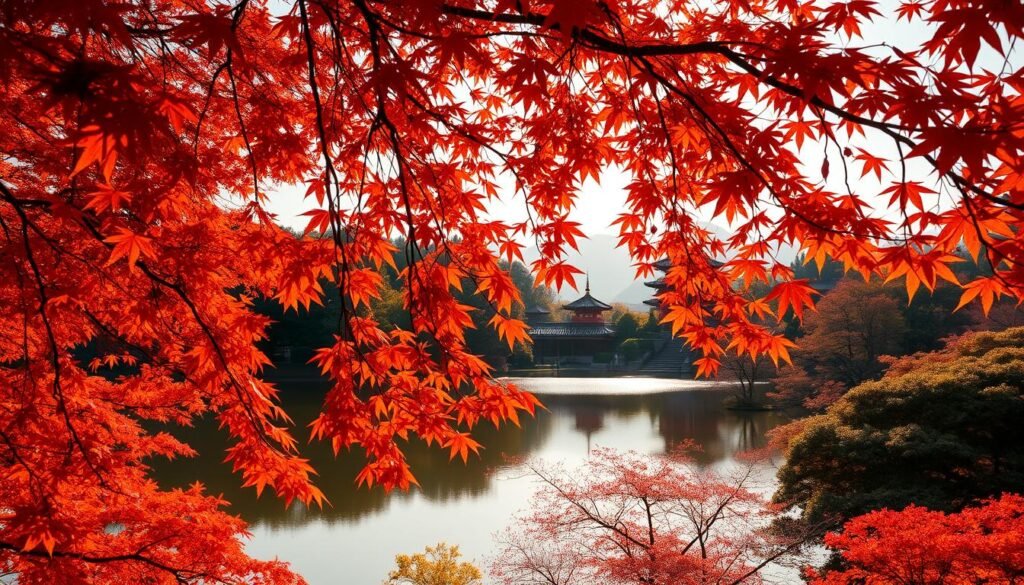
Kyoto is one of Japan’s most beautiful autumn destinations, especially if you love temples and gardens. Arashiyama, Tofukuji, Eikando, and Kiyomizu-dera are popular for a reason. The tradeoff is crowds, so plan early mornings, weekdays, and one or two priority spots per day instead of chasing every famous temple.
If you want an organized route from Kyoto or Osaka, browse Kyoto and Arashiyama day tour options on Klook, then check whether the itinerary matches your preferred pace.
Shirakawa-go and Takayama
Shirakawa-go and Takayama are beautiful if you want a traditional village atmosphere with mountain scenery. Autumn gives the thatched-roof village a warm seasonal look, and the area pairs well with a Central Japan route. You can check Shirakawa-go and Hida/Takayama tours on Klook if you prefer not to coordinate buses yourself.
Korankei Gorge, Aichi
Korankei is a strong choice from Nagoya, especially if you want a maple-heavy autumn view. It is not always as familiar to first-time Japan travelers as Kyoto or Tokyo, which can make it a nice option if your itinerary includes Central Japan.
How To Plan a Japan Autumn Itinerary
If autumn leaves are your main goal, build your route around timing instead of only famous places. For late September or early October, look north or higher. For late November, Tokyo, Kyoto, Osaka, Nara, and parts of Central Japan usually make more sense.
- 5 to 7 days: Tokyo plus Nikko or Kawaguchiko
- 7 to 10 days: Tokyo, Kyoto, Osaka, and one day trip
- 10 to 14 days: Tokyo, Kyoto/Osaka, Central Japan, and one mountain area
For longer routes, compare rail passes and individual tickets before buying. A Japan Rail Pass on Klook can be useful for some multi-city trips, but it is not automatically worth it for every itinerary.
Budget Tips for Autumn in Japan
Autumn is a popular travel season, so hotels in Kyoto, Tokyo, and scenic areas can get expensive. As a rough starting point, budget travelers might spend around JPY 12,000-20,000 per day, about USD 75-125, while mid-range travelers may spend JPY 25,000-40,000 per day, about USD 155-250. These are approximate because exchange rates and hotel prices change.
To save money, book accommodation early, avoid peak weekends where possible, choose one paid garden or temple per day, and use convenience stores or casual restaurants for some meals. If you like writing everything down, my Amazon travel planner is helpful for comparing routes, hotels, transport, and daily spending. You can also grab my free Budget Travel Guide.
Packing Tips for Japan in Autumn
- Light jacket or coat, depending on region
- Comfortable walking shoes
- Compact umbrella or rain jacket
- Scarf or warm layer for mountain areas
- Portable charger for long photo days
If you are still building your suitcase, this 7-day travel packing list can help you avoid overpacking.
Booking Checklist
- Check the latest foliage forecast close to your trip.
- Book hotels early for Kyoto, Tokyo, Nikko, and Mt. Fuji areas.
- Compare DIY transport versus tours for day trips.
- Check cancellation policies for seasonal tours.
- Keep one flexible day in case weather or foliage timing changes.
You can browse Japan autumn tours on Klook if you want to compare seasonal options in one place. For personalized help with routes, hotels, tours, or a full Japan itinerary, message IncubhabeTravels or reach me through my Contact Us page.
FAQ
What is the best month to see autumn leaves in Japan?
November is the easiest month for many first-time visitors, especially for Tokyo, Kyoto, Osaka, and nearby day trips. Hokkaido and mountain areas peak earlier, often in late September or October.
Is Kyoto or Tokyo better for autumn leaves?
Kyoto is better for classic temple and maple views, while Tokyo is easier for city parks and short day trips. If you have enough time, do both.
Can I see autumn leaves in Japan in October?
Yes, but October is usually better for Hokkaido, Tohoku, higher elevations, and mountain areas. Tokyo and Kyoto often peak later.
Should I book autumn tours in advance?
For popular areas like Nikko, Mt. Fuji, Kyoto, and Shirakawa-go, booking early helps, especially if you are traveling on weekends or during peak foliage weeks.
Sources and Helpful Planning Links
- JNTO: Autumn Leaves
- JNTO: Autumn in Japan Guide
- Japan Meteorological Corporation: Autumn Foliage Forecast Updates
Japan Autumn Planning Tip
Autumn color timing changes by region and weather. Build the itinerary around a few strong areas instead of chasing every forecast. Tokyo, Kyoto, Osaka, and Mt. Fuji can each give a different fall mood when the timing works.
Book hotels early for popular foliage weeks, but keep smaller walks flexible. Parks, temples, riversides, and neighborhood streets can still feel special even when peak color shifts by a few days.
Read Next
Final Planning Note
I would use this guide as a starting point, then check the exact date, weather, route, and group needs before paying for anything. A good plan should make the trip easier, not pressure you into booking every option.
If the schedule already feels full, choose one paid activity and keep the rest of the day lighter. That gives you room for meals, photos, delays, and the small travel moments that often become the best memories.