
Starting my travel to Asia was exciting but needed careful planning. Asia’s big and varied places can be too much for first-time travelers. I learned how important it is to do research and get ready for Asia’s travel challenges.
With good planning, you can make memories that last. Knowing about the culture, visa rules, and health steps is key. This article gives tips for beginners to make their trip smooth and fun.
Before finalizing my Asia itinerary, I booked key activities, attraction tickets, and airport transfers in advance using Klook. Seeing prices upfront helped me plan realistic daily budgets, avoid tourist traps, and reduce stress once I arrived.
Klook.comKey Takeaways
- Research is key to a successful Asia trip.
- Understand visa requirements and health measures.
- Cultural nuances can greatly impact your travel experience.
- Plan ahead to navigate complexities.
- Create a balanced itinerary for a memorable trip.
Understanding the Basics of Traveling in Asia
Planning a trip to Asia? Knowing the basics is key for a smooth trip. Asia is full of cultures, languages, and landscapes. It’s a fascinating but complex place.
Cultural Diversity Across the Continents
Asia has many cultures, like Tokyo’s vibrant streets and Bali’s calm temples. Each country has its own customs and traditions. For example, in Japan, bowing is a greeting. In Thailand, the wai shows respect.
- Learn about local customs before you go.
- Wear modest clothes, especially at temples or mosques.
- Think about your body language; some gestures are rude.
Languages and Communication Tips
Language can be a big challenge in Asia, with thousands of languages. But, many people speak English, especially in tourist spots.
- Learn basic phrases like “hello,” “thank you,” and “where is…?”
- Use translation apps to talk to locals.
- Carry a phrasebook or a portable translator.
- Be patient and use gestures to get your point across.
Languages and Communication Tips
First time travelers often underestimate how fast popular activities sell out in Asia. Airport transfers, city tours, theme parks, and rail passes often cost more when booked on arrival. I use Klook to compare prices, read reviews, and secure tickets before landing. This keeps spending predictable and days organized.
Klook.comCurrency and Payment Methods
Asia is also diverse in money and payment ways. Some places use cash, while others prefer digital payments.
- Know the local money and have some cash ready.
- Use ATMs to get local currency; they’re everywhere.
- Credit cards work in many places, especially in big cities and tourist spots.
- Tell your bank you’re traveling to avoid card problems.
Knowing these basics makes your trip better and less stressful. You can enjoy Asia’s rich cultural experiences more.
Choosing Your Ideal Destination
Asia has everything from snowy mountains to beautiful beaches. It’s hard to pick the perfect place for your trip.
Think about what you want from your trip. Do you like busy cities or quiet beaches? Asia has many places for different tastes.
Popular Countries to Visit in Asia
Thailand is known for its culture and food. Japan is famous for its tech and history. Vietnam is loved for its beauty and people.
- Thailand: See Bangkok’s energy, relax on Phuket’s beaches, or explore Chiang Mai’s culture.
- Japan: Walk Tokyo’s streets, relax in hot springs, or see Kyoto’s temples.
- Vietnam: See Ha Long Bay, visit Hoi An, or enjoy Hanoi’s nightlife.
Off-the-Beaten-Path Locations
Asia has many hidden spots. These places offer special experiences that make your trip unforgettable.
| Location | Description | Best Time to Visit |
|---|---|---|
| Nakhon Phanom, Thailand | A quiet place with rich culture and Mekong views. | October to February |
| Siargao, Philippines | A paradise for surfers with beautiful beaches. | September to November |
| Langkawi, Malaysia | An island group with beaches, forests, and waterfalls. | December to April |
Season and Weather Considerations
The best time to visit Asia changes with the region. Knowing the weather helps plan a better trip.
The monsoon season hits South Asia from June to September. But, the dry season in Southeast Asia, from November to March, is great for places like Thailand and Vietnam.
Think about these things and pick your destination well. This way, your trip to Asia will be amazing and fulfilling.
Budgeting for Your Asia Trip
Budgeting for an Asia trip is more than just guessing costs. It’s about using your travel money wisely. With smart planning, you can see Asia’s beauty and culture without spending too much.
Estimating Travel Costs
First, figure out your travel costs. This includes flights, where you stay, food, getting around, and fun activities. Looking for deals can save you a lot. For example, booking flights early can cut costs.
- Flights: Compare prices across different airlines and consider budget airlines.
- Accommodations: Look into various types of lodging, from budget hostels to luxury hotels.
Accommodation Options
Asia has many places to stay, for every budget. You can pick from cheap hostels to fancy resorts. Booking early can get you a better price.
| Accommodation Type | Average Cost per Night |
|---|---|
| Budget Hostel | $10-20 |
| Mid-range Hotel | $50-100 |
| Luxury Resort | $200+ |
Daily Expenses and Currency Exchange
Keeping track of daily costs is key to staying on budget. Knowing the local money and how to exchange it can save you money. Using ATMs or local currency exchange services gives better rates than airport or hotel exchanges.
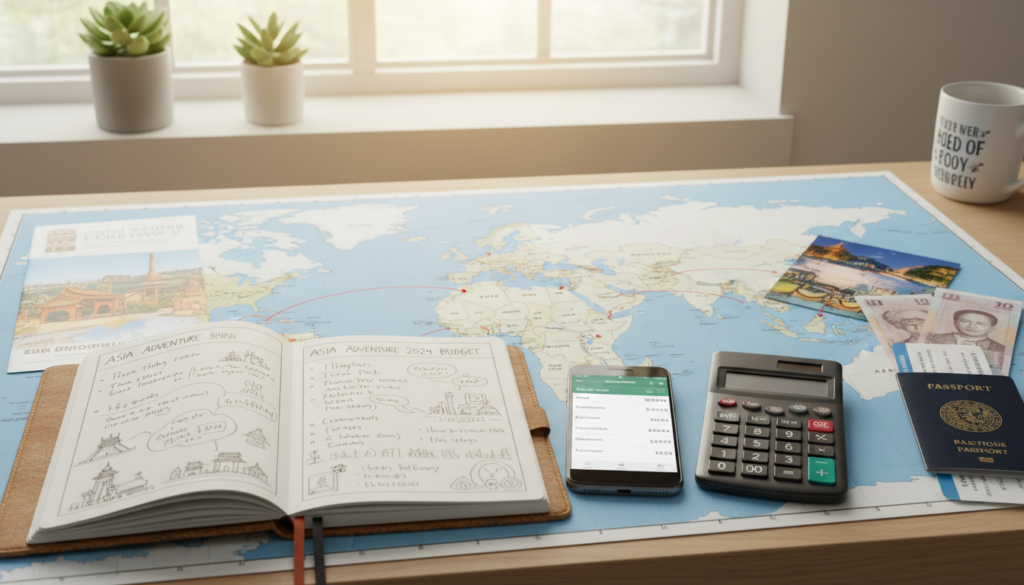
By watching your spending and making smart choices, you can have a great Asia trip without worrying about money. The secret to good budgeting is planning and being flexible.
Creating a Flexible Itinerary
A flexible itinerary is key for a great Asia trip. With many places and things to do, being able to change plans is important.
Prioritizing Must-See Attractions
First, pick the top places you must see. This could be Angkor Wat, the Great Wall of China, or Bali’s beaches. Choosing these first helps you use your time well. Think about how long it takes to get there and when places are open.
I pre-book only high demand attractions and transfers on Klook, then leave open days for rest or spontaneous plans. This approach protects key experiences while keeping the itinerary relaxed.
| Attraction | Location | Best Time to Visit |
|---|---|---|
| Angkor Wat | Siem Reap, Cambodia | Early morning or late afternoon |
| Great Wall of China | Beijing, China | Early morning to avoid crowds |
| Beaches of Bali | Bali, Indonesia | During the dry season (May to September) |
Balancing Sightseeing and Relaxation
It’s good to see lots of things, but also to relax. Asia has many places to chill out, like spa retreats in Thailand or boat rides in Vietnam.
Having some free time lets you rest and enjoy what’s most important to you.
Allowing for Spontaneity
Traveling is fun because you can find new things. Make room for surprises in your plan. You might find a local festival, try street food, or explore a secret spot.
Being flexible makes your trip more fun and memorable.
Packpack Essentials for Asia
Knowing what to pack is key for a stress-free trip to Asia. Asia has many climates, cultures, and activities. So, packing wisely is important.
Climate-Appropriate Clothing
Asia’s weather changes a lot from place to place. In warm places like Thailand and Indonesia, wear light and breathable clothes. For cooler places like China’s mountains, bring warmer clothes.
Choose clothes that can be worn in many ways. Quick-drying and moisture-wicking fabrics are best for humid places in Southeast Asia.
Gadgets and Travel Accessories
In today’s world, travel adapters and portable chargers are must-haves. Asia has different power outlets and voltages. So, a universal travel adapter is a smart choice.
Don’t forget a good smartphone camera, a portable Wi-Fi hotspot, and noise-canceling headphones for long trips.
| Gadget | Purpose |
|---|---|
| Universal Travel Adapter | For charging devices in various outlets |
| Portable Charger | To keep devices charged on the go |
| Noise-Canceling Headphones | For comfort during long flights or bus rides |
Health and Safety Items
Health and safety are very important when traveling to Asia. Vaccinations and medications should be planned before your trip.
Always carry a basic first-aid kit. It should have band-aids, antiseptic wipes, and any personal meds. Also, bring a water filter or purification tablets for rural areas.
Navigating Transportation Options
Knowing how to get around Asia is important for a good trip. Asia has many ways to travel, making it easy to explore.
Traveling in Asia is great because of its good transport system. You can take fast trains, buses, fly, or use ferries. There’s something for everyone, no matter your budget.
Understanding Public Transport Systems
Public transport in Asia is cheap and works well. Cities have buses, subways, and trains. For example, Tokyo’s subway is known for being on time and easy to use. Bangkok’s Skytrain is great for getting around the city.
Tips for using public transport:
- Look up local transport before you go.
- Get a local transport card for easy travel.
- Be ready for crowds during busy times.
Domestic Flights: When to Use Them
Domestic flights are good for long trips or when you’re in a hurry. Places like Indonesia and the Philippines use them a lot because of many islands.
When to opt for domestic flights:
- For long trips or between islands.
- If you’re in a rush and have a lot to see.
- When land travel is hard or not possible.
Renting Vehicles vs. Local Transport
Driving a rental car lets you plan your trip better. But, it might not save money, especially in busy cities.
Considerations for renting vehicles:
- Know the local driving rules.
- Understand the traffic and road conditions.
- Think about the cost, like fuel, parking, and rental fees.
Knowing about Asia’s transport helps travelers make smart choices. This way, they can have a fun and easy trip.
Health Precautions and Travel Insurance
Before you go on an Asian adventure, think about health precautions and travel insurance. Asia is exciting, but it has health risks. These come from different climates, food, and places.
Vaccinations and Health Tips
Stay healthy by getting all your shots and maybe more for your trip. For Asia, Hepatitis A and typhoid shots are often needed.
- Hepatitis A: Good for all Asia travelers because of food and water risks.
- Typhoid: Most travelers need it, especially if you eat street food or live with locals.
- Japanese Encephalitis: Think about it if you’ll be in rural areas during certain times.
Also, don’t forget basic health tips. Wash your hands a lot, eat food that’s cooked well, and drink plenty of water.
Emergency Services
If you need help fast, know the local emergency numbers. Many Asian countries have special numbers for police, fire, and ambulances.
| Country | Emergency Number |
|---|---|
| Thailand | 191 (Police), 1669 (Ambulance) |
| China | 110 (Police), 120 (Ambulance) |
| India | 100 (Police), 102 (Ambulance) |
Choosing the Right Travel Insurance
Travel insurance is key for your trip. It helps with unexpected medical or travel costs.
When picking insurance, think about these things:
- Coverage Area: Make sure it covers all your Asia stops.
- Medical Coverage: Look for policies that cover medical evacuations and hospital stays.
- Trip Cancellation: Choose policies that help if you need to cancel or cut your trip short.
With the right health steps and insurance, you can have a great time in Asia.
Engaging with Local Culture
Traveling in Asia lets me dive into local culture. The continent has many cultures. Each has its own customs and ways of life.
Food and Dining Customs
Trying local food is a great way to experience culture. Asia offers a wide range of tasty dishes. From spicy Thai street food to Japanese sushi.
It’s important to know local dining rules. In many places, using chopsticks is key. Learning to use chopsticks right can enhance your dining experience.
| Country | Dining Custom |
|---|---|
| Japan | It is polite to wait for the host to start eating before you begin. |
| Thailand | Using a fork to push food onto your spoon is considered proper etiquette. |
| China | Finishing a meal completely indicates that the host did not provide enough food. |
Respecting Cultural Norms
Respecting local norms is key in Asia. This means dressing modestly and removing shoes when needed. Also, avoid public displays of affection.
In many places, temples and mosques are sacred. Dressing right and being respectful is very important when visiting these sites.
Finding Local Experiences
To really connect with local culture, try local experiences. This can be attending festivals or taking cooking classes.
- Attend a traditional tea ceremony in Japan or China.
- Participate in a local festival, such as Songkran in Thailand.
- Take a cooking class to learn how to prepare local dishes.
By diving into these experiences, I learn more about local culture. And I make lasting memories.
Staying Connected While Traveling
Staying connected while traveling in Asia is very important. It helps you find your way around new places. As a solo traveler, the right tools and knowledge are key to a great trip.
Mobile Data and Wi-Fi Access
Mobile data or Wi-Fi is essential for staying in touch. Many Asian countries have cheap data plans. You can also find Wi-Fi in cafes, restaurants, and hotels.
Key considerations for mobile data include:
- Checking your phone’s compatibility with local networks
- Understanding data roaming charges
- Purchasing a local SIM card or portable Wi-Fi hotspot
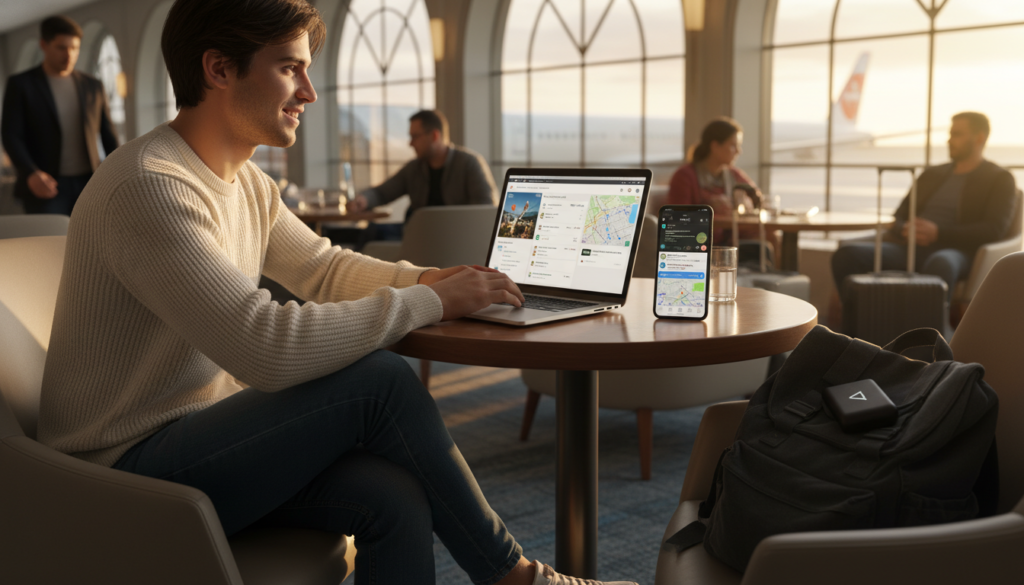
Communication Apps to Use
There are many apps to keep in touch with loved ones and get around. WhatsApp, WeChat, and Skype are great for messaging and calls.
When picking an app, think about these things:
- Data usage costs
- Availability in the countries you’re visiting
- Features such as messaging, voice, and video calls
Staying Safe Online
Online safety is as crucial as staying connected. Be careful with public Wi-Fi and use a VPN. Also, don’t share too much personal info online.
Tips for staying safe online include:
- Avoiding sensitive transactions on public Wi-Fi
- Keeping your devices and apps updated
- Using strong, unique passwords
Final Preparations Before Departure
As I count down the days until my Asia trip, I know making final preparations is key. With my itinerary set, it’s time to get the last details right.
Accommodations and Activities
Before departure, I confirm accommodations and book major attractions, tours, and transfers using Klook. This prevents sold out dates, keeps my schedule realistic, and helps me start each day with a clear plan instead of searching on arrival.
Klook.comNotification Alerts
Setting up alerts for travel news, weather, and local events keeps me in the loop. This way, I can adjust my plans if needed.
Traveler’s Checklist
Before I leave, I review my travel plans and check my passport’s validity. I make sure I have all the documents I need. Being ready lets me enjoy my trip and make the most of my time in Asia.