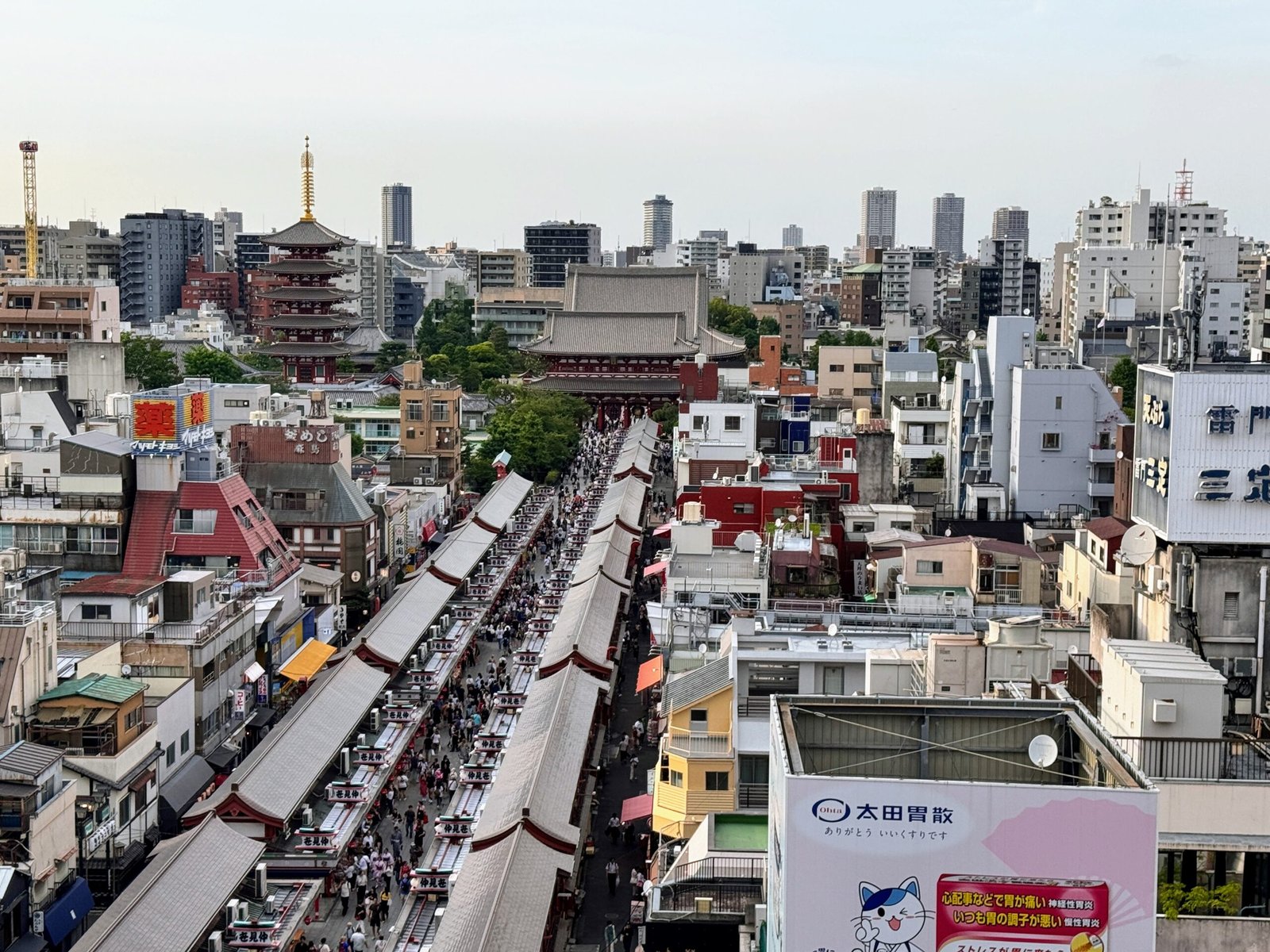

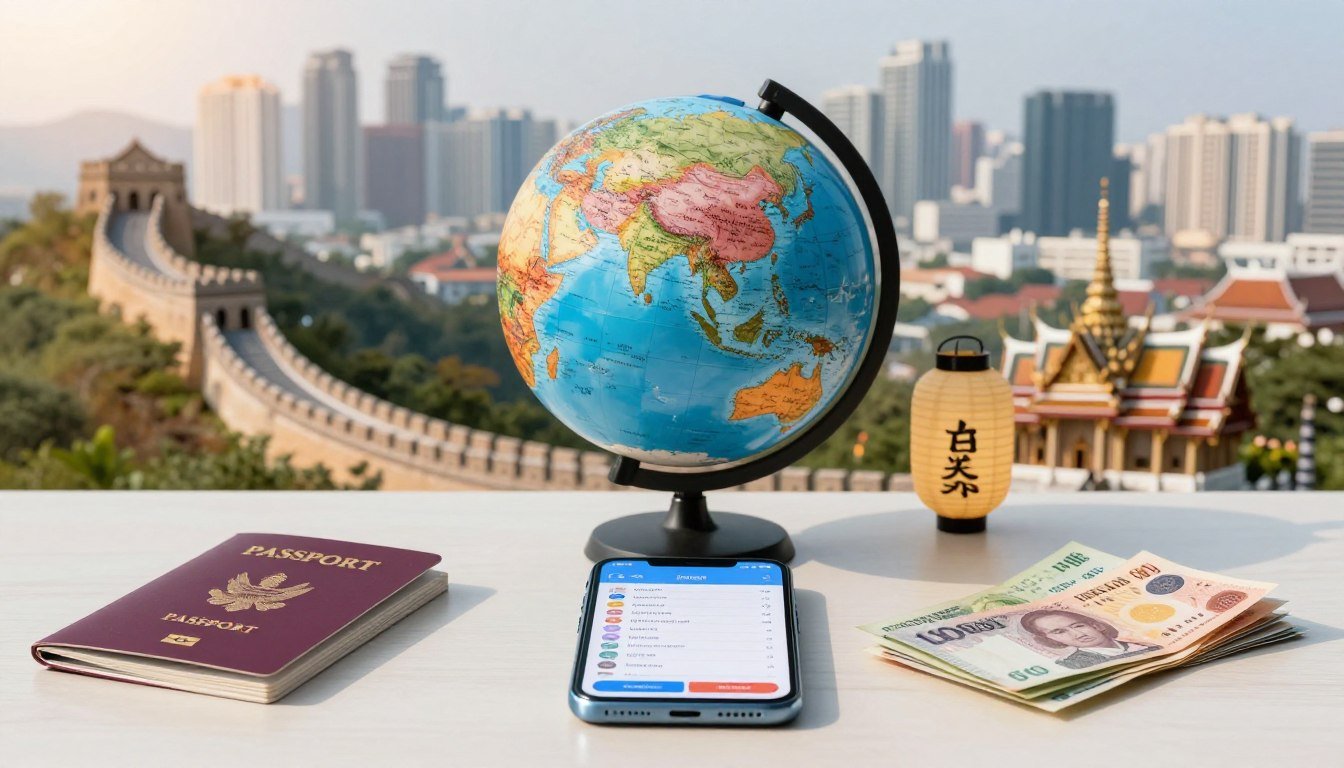
When I planned my trip to Asia, I knew I had to figure out the average daily expenses. This was key for a smooth trip. With places from cheap to fancy, knowing what to expect is important.
Thailand is a favorite for travelers because of its culture and food. The cost of traveling in Asia changes a lot. It depends on where you go, what you do, and how you travel. In this article, we’ll look at the average daily travel budget in Asia. We’ll also break down the costs to help you plan your trip.
Key Takeaways
- Understand the average daily expenses in various Asian countries.
- Learn how to budget for accommodation, food, and activities.
- Get insights into the costs associated with traveling in Asia.
- Plan your trip according to your budget and preferences.
- Discover tips for saving money while traveling in Asia.
Understanding Daily Travel Costs in Asia
Travelers going to Asia need to know about daily costs. This helps them plan and budget better. It makes their trip more fun and less stressful.
Why Knowing Costs is Important
It’s key to know daily travel costs in Asia. This lets travelers plan their trip within their budget. A year-long trip can cost about $43.90 per day, with accommodation being a big expense.
Understanding these costs helps travelers make smart choices. They can pick cheaper places to stay or use affordable transport. This is important for saving money while traveling in Asia and staying within budget.
Different Budget Categories
When figuring out daily travel costs in Asia, consider several areas. These include accommodation, food, transportation, and activities. Each area can cost differently, based on what you choose.
- Accommodation can range from budget hostels to luxury hotels.
- Food expenses can vary from affordable street food to high-end dining experiences.
- Transportation costs depend on whether one uses local transport, taxis, or long-distance travel options like trains or flights.
- Activities and attractions can include entrance fees to historical sites, cultural experiences, or adventure activities.
Knowing these budget categories helps travelers manage their daily expenses. It makes their trip to Asia more enjoyable. Good budgeting and cost-effective travel in Asia depend on being informed about costs.
Average Costs in Popular Asian Destinations
Asia has many travel options at different prices. Knowing the average costs is key for planning a trip. Countries like Thailand, Vietnam, and Cambodia are popular, with daily budgets from $20 to $45.
Breakdown by Country
Travel costs in Asia change a lot from country to country. Thailand is very affordable, with daily costs around $30-$40. This includes where you stay, eat, and what you do. But, places like Singapore and Japan are pricier, with daily costs from $80 to $150.
Here’s a quick look at daily costs in some Asian countries:
- Thailand: $30-$40
- Vietnam: $25-$35
- Cambodia: $20-$30
- Singapore: $80-$120
- Japan: $100-$150
Major Cities to Consider
Major cities in these countries have their own costs. For example, Bangkok in Thailand and Hanoi in Vietnam are cheaper. They have many places to stay and eat on the street. But, cities like Tokyo in Japan and Seoul in South Korea are more expensive, especially for where you stay and eat.
| City | Average Daily Cost |
|---|---|
| Bangkok | $30-$40 |
| Hanoi | $25-$35 |
| Tokyo | $100-$150 |
| Seoul | $80-$120 |
Knowing these costs helps you explore Asia on a budget. Whether you want the cheapest places or more expensive cities, knowing daily expenses helps plan a great trip.
Transportation Expenses Across Asia
Starting your Asian journey? Knowing about transportation costs is key. These costs are big parts of your daily expenses. Learning about your options can save you money.
Local Transport Options
Asia has many ways to get around. You can use metro systems in places like Singapore and Tokyo. Or try tuk-tuks and rickshaws in Bangkok and Delhi. Prices differ a lot.
Metro and Bus Services: Many cities have good, cheap metro and bus systems. A single ticket can cost $1-$3 in places like Singapore and Seoul.
- Singapore: $1.99 per ride
- Seoul: $1.20-$2 per ride
- Bangkok: $0.56-$1.20 per ride
Long-Distance Travel Costs
For longer trips, Asia has buses, trains, and flights. Prices change based on how you travel and how far you go.
| Mode of Transport | Route | Cost |
|---|---|---|
| Flight | Manila to Palawan | $25 |
| Train | Tokyo to Osaka | $13-$60 |
| Bus | Bangkok to Chiang Mai | $15-$30 |
Knowing these costs helps you plan better. It lets you make smart choices about your budget.
Accommodation Costs in Asia
Asia has many places to stay, from cheap hostels to fancy hotels. Prices vary a lot, based on where you go and what you choose. Knowing these prices helps travelers plan their budget.
Budget Hotels and Hostels
For those watching their money, Asia has many cheap places to stay. Hostel dorms start at $5 a night in places like Laos. Budget hotels offer simple comforts at low prices.
Mid-range and Luxury Options
Willing to spend a bit more? Mid-range hotels have more comforts and amenities. Luxury hotels offer top-notch experiences. In places like Macau, these can cost over $100 a night.
| Destination | Budget Option | Mid-range Option | Luxury Option |
|---|---|---|---|
| Laos | $5 (dorm) | $20-$50 | $80-$100 |
| Thailand | $10 (dorm) | $30-$60 | $100-$150 |
| Macau | $30 | $60-$100 | $150-$200 |
Knowing about accommodation prices in Asia helps travelers choose wisely. This way, they can plan their trip better and stay within their budget.
Food and Dining Expenses
Asia’s food is a big part of traveling there. You can find many options for different budgets. From spicy Thai street food to Japanese sushi, Asia has a lot to offer.
Street Food vs. Restaurants
Street food is a great way to try local dishes. It’s cheap and tasty. Meals can cost as little as $2, perfect for those watching their budget.
Restaurants offer more choices and a nice setting. But, prices vary a lot. It depends on where you are and the type of restaurant.
Street food is very popular in Asia. It’s cheap and full of real flavors. For example, in Vietnam, Pho costs about $1.50. In Indonesia, Nasi Goreng is around $2.
Culinary Experiences Worth Trying
For a special dining experience, Asia has many options. You can try cooking classes, wine tastings, and fancy restaurants. Prices range from $30 to $50 per person for a great meal.
Some experiences to try include:
- Cooking classes where you can learn to make local dishes.
- Visiting night markets or food streets to try many local foods.
- Dining at restaurants with unique experiences, like eating in a floating market.
By mixing street food, restaurant meals, and special experiences, you can enjoy Asia’s food. And you can do it without spending too much.
Activities and Attractions Costs
Exploring Asia’s top spots is key to any trip. Knowing the costs helps with budgeting. Asia has history, culture, nature, and fun spots to see.
Admission Fees for Top Spots
Prices for Asia’s attractions vary a lot. For example, the Taj Mahal in India or Angkor Wat in Cambodia cost $1 to $40 per person. This depends on the place and ticket type.
| Attraction | Location | Admission Fee |
|---|---|---|
| Taj Mahal | India | $15-$20 |
| Angkor Wat | Cambodia | $37-$62 (1-3 day pass) |
| Great Wall of China | China | $5-$10 |
Free or Low-Cost Activities
Not everything in Asia costs a lot. Many places offer free or cheap things to do. Like visiting local markets, trying street food, or walking in parks.
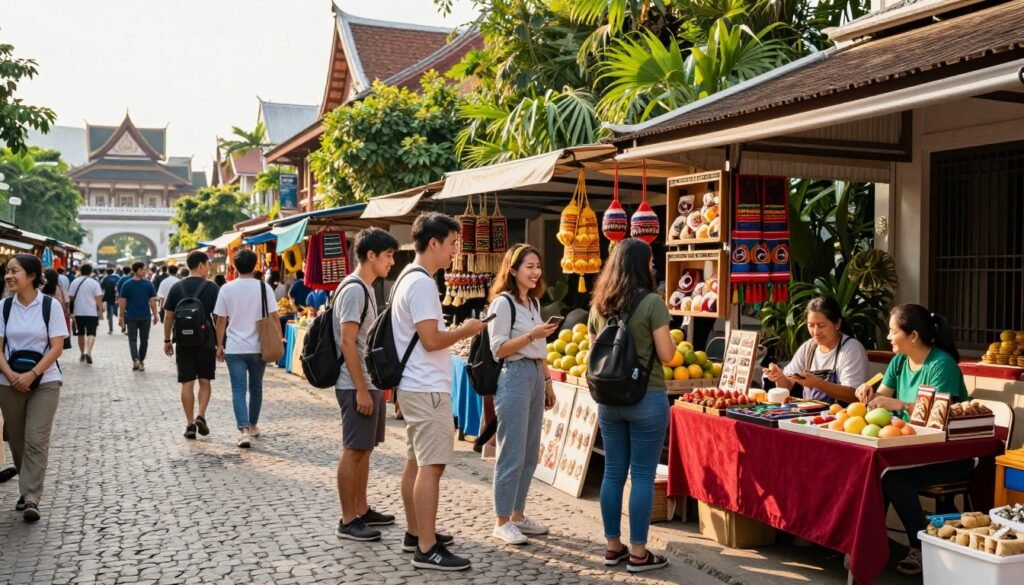
To save money, mix expensive spots with free or cheap ones. This way, you can see a lot without spending too much.
Knowing what things cost helps plan a better trip. Whether you want to save money or splurge, Asia has it all.
Currency and Payment Methods
To enjoy your Asian trip, knowing the local money and payment ways is key. This knowledge helps with your daily costs and travel fun.
Local Currency Essentials
Every Asian country has its own money. For example, Thailand uses the Thai baht. In tourist spots, the US dollar is often okay.
ATMs are everywhere in cities and towns. They let you get local money with your card. But, some ATMs charge a lot for foreign use, so check with your bank first.
Best Payment Options While Traveling
Carrying cash, credit cards, and debit cards is best. Credit cards like Visa and Mastercard work in big places. But, cash is better for small buys and markets.
- Credit cards are safe and can give you travel insurance and points.
- Debit cards are good for ATM cash, but watch out for fees.
- Mobile payments like Apple Pay and Google Pay are getting popular in Asia.
Knowing the local money and having different payment options makes travel in Asia better. This way, you can handle everything from food to hotels easily.
Tips for Saving Money While Traveling
Traveling to Asia can be fun and affordable. To save money, plan and research well.
Budgeting Your Daily Expenses
Plan your daily costs to enjoy your trip. Set aside money for places to stay, food, transport, and fun activities.
Here’s a simple breakdown of daily expenses to consider:
| Category | Low Budget | Mid-range | Luxury |
|---|---|---|---|
| Accommodation | $10-$20 | $30-$50 | $100-$200 |
| Food | $3-$5 | $10-$15 | $20-$30 |
| Transportation | $1-$3 | $5-$10 | $10-$20 |
| Activities | $5-$10 | $10-$20 | $20-$50 |
Finding Discounts and Deals
Look for ways to cut costs. Stay in hostels or guesthouses for cheaper places to stay.
Some popular ways to save money include:
- Using public transportation instead of taxis
- Eating at local street food stalls
- Visiting free or low-cost attractions
- Negotiating prices at local markets
By watching your spending and choosing affordable options, you can have a great trip to Asia without spending too much.
Seasonal Variations in Costs
Planning a trip to Asia? Knowing about seasonal costs is key for saving money.
Travel costs in Asia change a lot with the seasons. Some times are pricier than others.
High vs. Low Travel Seasons
In Asia, the busy season is during holidays like Chinese New Year or Songkran.
Prices for hotels and attractions go up because more people travel then.
The quiet season is cheaper, perfect for those watching their budget.
Visiting places like Thailand or Vietnam in peak season (December to February) can be pricey.
But, traveling in the shoulder season (April to June or September to November) is more affordable and comfy.
How Weather Affects Prices
Weather affects travel costs in Asia a lot.
In places like Southeast Asia, prices drop in the wet season.
Places with nice weather, like Japan in cherry blossom season, get busier and pricier.
Knowing these changes helps plan a trip better and choose the best times to visit.
By skipping peak times and choosing shoulder season, you can travel in Asia more affordably.
Key Takeaways:
- High season in Asia includes holidays and festivals, making prices higher.
- Low season is cheaper but might affect tourist spots.
- Shoulder season balances cost and comfort.
- Weather greatly affects costs, with wet seasons being cheaper.
Conclusion: Planning Your Asian Adventure
Planning a trip to Asia needs you to know about costs. You should understand how much things cost in different places. This helps you plan your money better.
Daily Costs Recap
Knowing the asia daily travel cost is key for a good trip. Prices change a lot based on where you go. Big cities like Tokyo and Singapore cost more than small towns.
Tips for Budget Travelers
To explore asia on a budget, look for cheap places to stay and eat. Use budget travel tips asia to save money. This way, you can see more places.
Book your trip early to get the best deals. For more info and to book, use the Klook search box or widget below. With good planning, your trip to Asia can be fun and not too expensive.