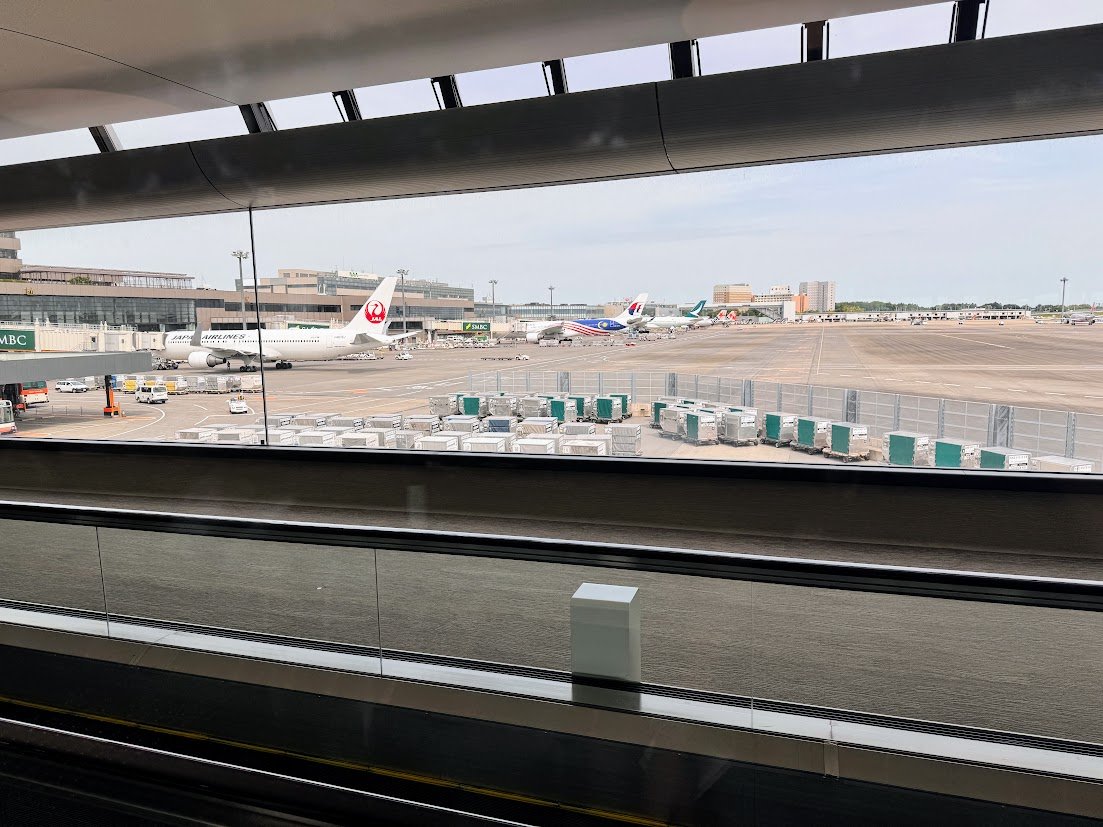
Planning an Asia trip over Christmas, New Year, Lunar New Year, Golden Week, Chuseok, or another major holiday gets easier when you book in the right order. Start with the parts that would disrupt the whole trip if they sold out: flights, a practical hotel, and one or two must-do experiences. Add airport transport after your flight time is firm. Set reminders for trains whose official booking windows open later. Leave ordinary meals, shopping streets, and weather-dependent views flexible.
Quick answer: Six to nine months before travel, settle the destination, flights, and refundable accommodation if demand is already building. Two to four months ahead, reserve essential attractions, tours, and special events that are already on sale. About one month ahead, return for train seats and products whose official sales window has opened. Recheck every reservation during the final week.
Your holiday booking timeline at a glance
| When | Prioritize | Usually safe to leave flexible |
|---|---|---|
| 6–9 months before | Destination, flights, cancellable hotel, leave approval | Ordinary tours not yet on sale |
| 3–5 months before | Must-do events, limited-capacity experiences, holiday-night accommodation | Casual food stops and free neighborhoods |
| 6–10 weeks before | Airport transfers, popular day tours, attraction tickets | Weather-dependent viewpoints |
| About 1 month before | Reserved trains when their official window opens | Local metro and most city buses |
| Final week | Opening hours, pickup points, weather, closures, app access | Backup meals and easy indoor stops |
This is a planning sequence, not a promise that every ticket opens at the same time. A booking page showing no dates may mean sales have not opened yet. Check the official operator before assuming an experience is sold out.
Step 1: Secure flights and a workable hotel
Holiday airfare and well-located rooms affect every other choice. Once your leave dates are firm, compare flights and choose a hotel that keeps your hardest travel day manageable. Read the cancellation deadline, payment schedule, room capacity, breakfast terms, and taxes before confirming.
A cheaper room can cost you time if it requires several transfers or makes an early tour pickup difficult. Map the hotel against the airport, main station, and the areas you plan to visit. If you are splitting cities, avoid changing hotels for a one-night stop unless that night solves a real route problem.
Affiliate disclosure: Some links below are Klook affiliate links. If you book through them, Incubhabe may earn a commission at no extra cost to you. I include options that can make a real planning or booking decision easier.
If you want accommodation and activities in one planning session, compare the available Asia hotel options. Check the hotel's own website too, especially when breakfast, cancellation terms, or a specific room type matters.
Step 2: Book the experience that anchors the trip
Choose one or two experiences that would genuinely disappoint you if unavailable. This might be Tokyo Disney Resort tickets, Universal Studios Japan, a concert, a seasonal festival, or a guided trip with limited departures.
Build the nearby day around that anchor. Do not buy several fixed tickets first and then discover that the locations sit on opposite sides of the city. Check the attraction calendar, exact date, entry time, child rules, accessibility, and whether a separate reservation is required after purchase.
If a theme park is your trip anchor, compare the options in our Tokyo Disney, USJ, or TeamLab guide before choosing a date.
Worth arranging early: If Universal Studios Japan is the main reason for visiting Osaka, secure the dated admission product that matches your travel day before filling the itinerary with smaller activities. Read the current package inclusions carefully; admission and express access are not automatically the same product.
Step 3: Add tours only when they solve a route problem
A tour earns its place when it simplifies transport, connects several difficult stops, adds cultural context, or helps a mixed-age group move comfortably. It is less useful when the same day can be handled easily by metro and everyone wants freedom to wander.
For example, a Mount Fuji day tour from Tokyo can remove several transport decisions. A DMZ tour from Seoul is different because access, identification rules, and itineraries can change. Read recent reviews and the operator's instructions rather than choosing only by price.
Before paying, compare the meeting point, pickup window, walking level, meal inclusions, cancellation terms, minimum group requirements, and the return time. Make sure the tour does not overlap with another timed ticket.
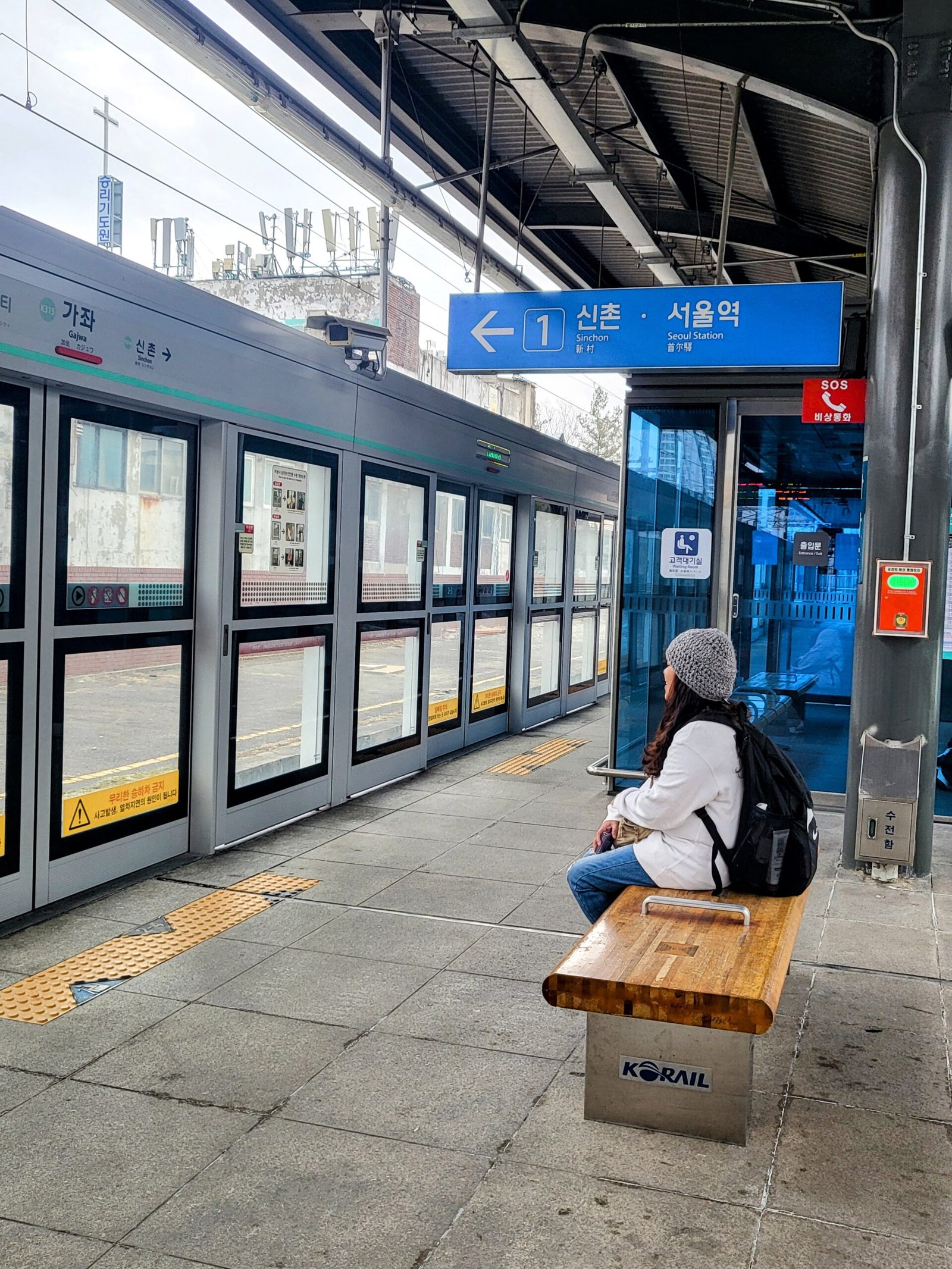
Step 4: Wait for the real train-booking window
You can plan a rail journey months ahead without being able to reserve the exact seat yet. In Japan, standard reserved seats generally go on sale at 10:00 AM one month before departure. JR Central also explains that some online Shinkansen products accept earlier applications, but conditions and seat finalization differ. Use the official JR Central reservation guidance for the train you intend to take.
Taiwan High Speed Rail states that seats are generally available from 29 days before travel until one hour before departure, with some weekend extensions. Holiday arrangements can change, so check the official THSR online-booking page when your date enters the sales window.
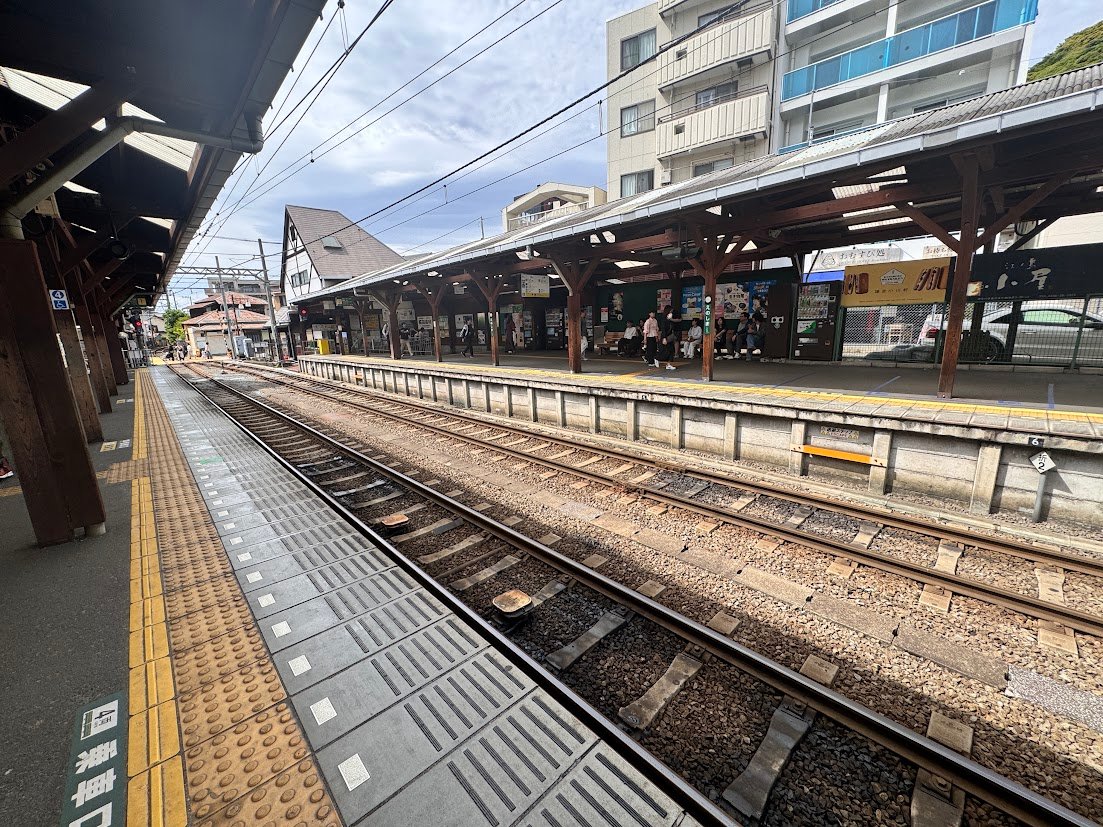
If a rail pass suits your route, compare the covered trains, seat-reservation process, activation rules, and total point-to-point fares. A Japan rail-pass option or Taiwan High Speed Rail pass should reduce cost or effort for your actual itinerary—not simply sound convenient.
For Japan, use our first-timer transport comparison to decide whether a pass fits your route. For Taiwan, check our Taiwan PASS breakdown before buying a bundle.
Step 5: Confirm airport transport after flights are final
Airport transport depends on landing time, terminal, baggage, hotel location, and the last public-transport departure. Do not reserve a pickup using an estimated flight time.
A private airport transfer can be worthwhile for late arrivals, young children, older relatives, or several large bags. Public transport is often better value when you arrive during operating hours and your hotel is near a straightforward route. Check waiting-time rules, flight-delay handling, luggage limits, terminal instructions, and the exact drop-off area.
What should stay flexible?
Do not turn the whole holiday into a chain of reservations. Keep room for weather, tired feet, a shop you did not expect to enjoy, or a meal near the hotel.
Usually flexible:
- Free neighborhoods, parks, markets, and shopping streets
- Casual restaurants when no special meal is involved
- Indoor backups that do not require timed entry
- Cafe stops, photo walks, and souvenir time
- A second-choice attraction in case the weather changes
If your day already has a timed attraction and a long transfer, avoid adding another fixed tour that evening. One clear anchor per day is often enough.
Holiday-specific checks by destination
In Japan, New Year and other peak periods can change train demand and business hours. Some Nozomi services use all-reserved seating during designated peak periods, so verify the current JR announcement.
In South Korea, Chuseok and Seollal create heavy domestic travel, while individual museums and attractions may use holiday schedules. Check VisitKorea's public-holiday information and the attraction's own page.
In Taiwan, long weekends can affect THSR availability. Set a reminder for the official sales opening rather than relying on an old booking screenshot.
In Singapore, major attractions often remain open during public holidays, but timed slots, restaurant reservations, and special-event access can still tighten. Use Visit Singapore to confirm current events, then verify the attraction's booking calendar.
A final seven-day booking check
One week before departure, open every confirmation and check:
- Date, local time, and traveler names
- Meeting point, terminal, or station
- QR code, app, passport, or printed-document requirement
- Cancellation deadline and weather policy
- Holiday opening hours and transport changes
- Luggage, age, clothing, and accessibility rules
- Whether two purchases cover the same attraction or transport
Save confirmations offline and send the essential details to your travel companions. If you are organizing costs and accommodation notes, download my free Budget Travel Guide. My paperback travel planner is useful if you prefer keeping reservation numbers, transport, packing, and daily notes on paper.
Frequently asked questions
How early should I book an Asia holiday trip?
Start flights and accommodation six to nine months ahead when traveling during a major holiday or event. Book essential attractions once official dates are available, then return for trains when their sales windows open.
Should I book every attraction before traveling?
No. Reserve only the attractions that require a date, have limited capacity, or would affect the whole itinerary if unavailable. Keep ordinary sightseeing flexible.
When should I arrange an airport transfer?
Book after the flight number, arrival time, terminal, passenger count, luggage, and hotel are confirmed.
Why are train tickets unavailable for my holiday dates?
The operator may not have opened sales yet. Check the official railway booking window before treating unavailable dates as sold out.
Is a flexible ticket always better?
It depends on the price difference and your likelihood of changing plans. Read the actual change and refund terms; the word “flexible” can cover different conditions.
Final advice
Book in the order that protects the trip: flights and hotel, one must-do anchor, difficult tours, airport transport, and then rail seats when the official window opens. Keep the rest adjustable. A useful holiday itinerary gives you certainty where it matters and breathing room everywhere else.