


A first multi-city Asia trip should use fewer bases, clearer travel days, and only the bookings that protect the route. Choose two or three cities that connect easily, give each city enough full days, and stop adding side trips once the hotel moves begin to steal the experience.
This guide is for travelers comparing combinations such as Singapore and Malaysia, Taiwan and Japan, Seoul and Busan, Osaka and Kyoto, or a bigger Asia sampler. It helps you decide what to book, what to skip, and how to keep the trip from becoming a spreadsheet with luggage.
Quick Decision
| Best first setup | Two cities with simple flights or trains. |
| Comfortable pace | At least 3 full days in major cities and one protected travel day between countries. |
| Book early | Flights, hotels, airport transfers, rail tickets, and fixed-date attractions. |
| Keep flexible | Food walks, cafes, shopping, and weather-sensitive days. |
Start With the Trip Theme
A multi-city route needs a reason. Food, theme parks, temples, shopping, beaches, family visits, or first-time icons can all work. What fails is adding cities because they look close on a map.
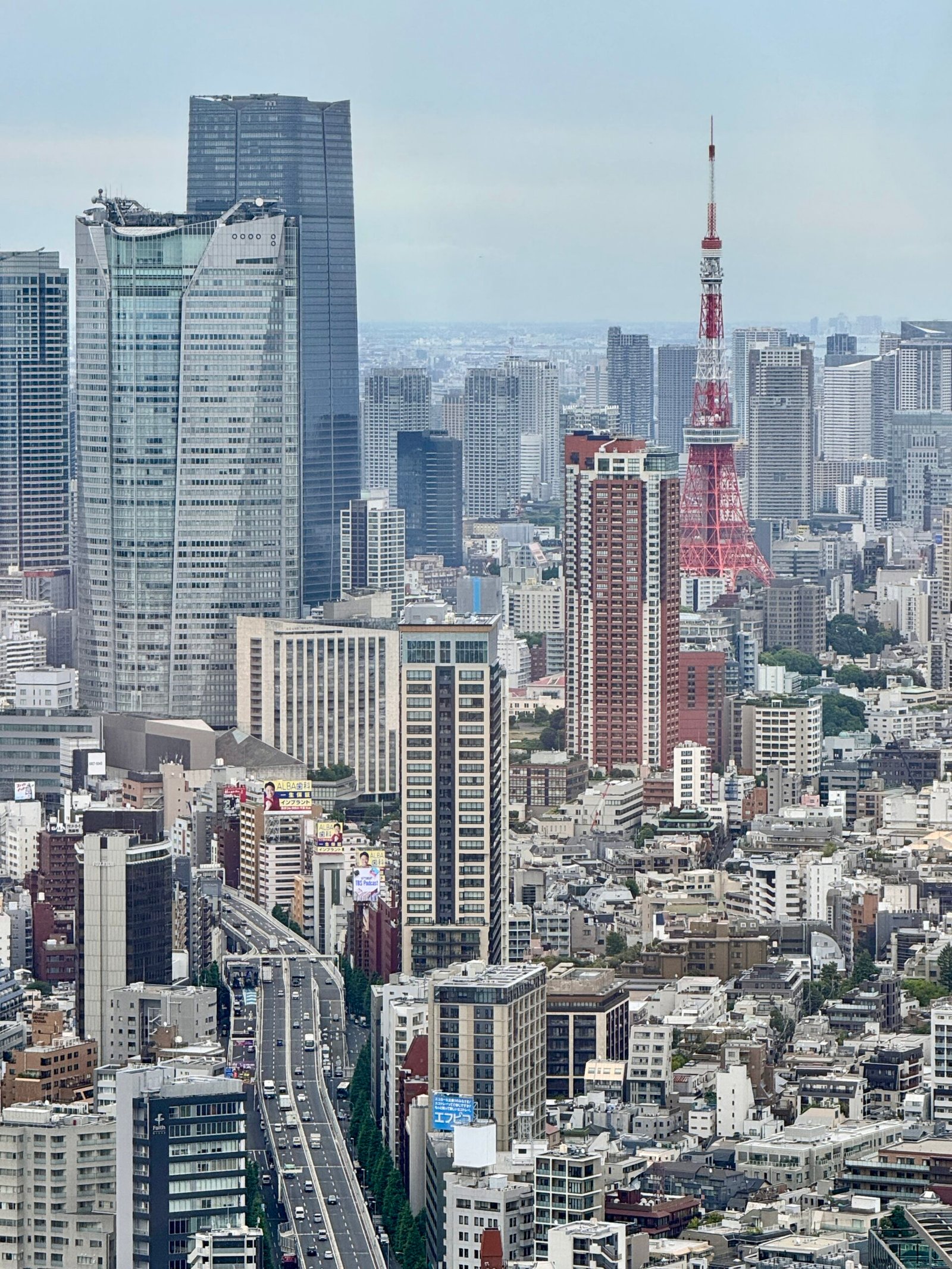
Choose one anchor city that gets the most nights. Then add one contrast city that gives the trip a different flavor. Tokyo plus Osaka works because the cities feel different. Seoul plus Busan works when you want city and coast. Singapore plus Kuala Lumpur works when flights and time are simple.
If every city does the same job, cut one. A trip with fewer bases and better days usually feels richer than a trip with more pins.
Affiliate disclosure: Some booking links in this article are Klook affiliate links. If you book through them, Incubhabe may earn a small commission at no extra cost to you. I include them where checking availability or reserving ahead can make your trip easier.
Need data in more than one country? A regional eSIM can be simpler than buying a new SIM after every border, but check coverage for every stop first. Compare Asia eSIM options.
Count Full Days, Not Nights
Hotel nights can mislead you. A three-night stay may give you only two full days after arrival, checkout, transport, and luggage. Count the days when you wake up in the city and sleep in the same city.
Every transfer day needs a job. Some transfer days are simple and still allow dinner. Others take most of the day. International flights, immigration, airport transfers, train stations, and hotel check-in can shrink the sightseeing window fast.
A first multi-city route should protect recovery time after flights. This is especially important for groups, families, and travelers who shop or carry large luggage.
Before paying for a cross-border leg, confirm passport and entry requirements on the destination government’s official immigration page. For a first check across countries, the IATA Travel Centre is useful, but the destination government remains the final source.
Landing late or traveling as a group? An airport transfer can protect a tight arrival day when public transport requires several changes. Compare airport transfer options.
Choose Transport Before Attractions
Transport decides the shape of the trip. Before booking attractions, confirm airport, station, baggage, transfer time, and hotel location. A cheap flight at the wrong hour can cost more in taxis, sleep, and stress.
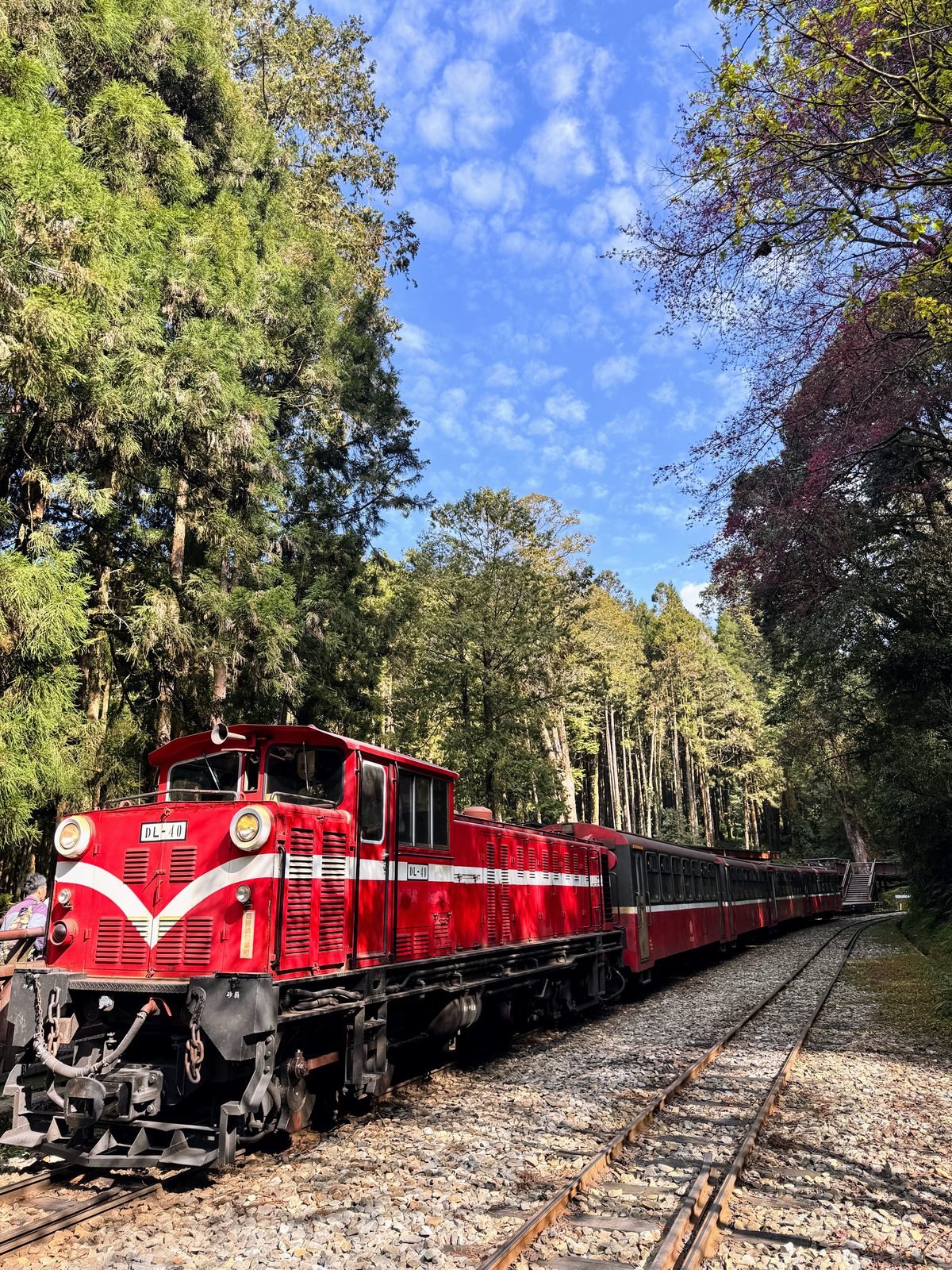
Rail routes can feel easier than flights when stations are central, but they still require luggage planning. Flights can be better for longer jumps, but only if airport time does not erase the savings.
Once the transport is fixed, add attractions by area. Do not book a timed museum across town on the same afternoon you change cities.
Using trains for part of the route? Compare rail passes with point-to-point fares only after your travel dates and cities are fixed. Browse Asia rail pass options.
Build Each City Around One Anchor Day
Give each city one anchor day that explains why it is in the trip. Singapore might have Gardens and Sentosa. Osaka might have food and Dotonbori. Seoul might have palaces and shopping. Taipei might have night markets and a day trip.
After the anchor day, add one flexible day. This is where the trip becomes enjoyable instead of mechanical. Use it for weather changes, slower meals, shopping, or a neighborhood you discover late.
If a city has no anchor day and no flexible day, it may not belong in the route yet.
How To Adjust the Plan for Your Group
Before booking anything, check who is actually traveling. A couple, a family with children, a barkada, and a group with older relatives need different pacing even when they choose the same destination. The right plan is the one your group can follow without starting every morning tired.
For early flights, protect the first day. Use it for check-in, one nearby meal, a short walk, and one easy photo stop. For late flights, protect the final day. Keep luggage, airport transfer time, and one last meal close together. A cheap or exciting activity can still be the wrong choice if it sits on the wrong side of your flight schedule.
For budget planning, separate fixed costs from flexible costs. Flights, hotels, transfers, major tickets, and reserved tours belong in the fixed bucket. Snacks, cafes, shopping, taxis, and extra desserts belong in the flexible bucket. This split helps you see whether the trip is truly affordable before the small purchases begin.
Final Pre-Booking Checklist
- Confirm the date, opening hours, meeting point, cancellation rule, and weather risk before paying.
- Check whether the activity fits your hotel area or whether it creates a long transfer at the wrong time of day.
- Compare the total cost for the whole group, not only the price shown for one person.
- Leave at least one flexible block for food, rest, shopping, photos, or weather changes.
- Save screenshots or confirmations for tickets, tours, transfers, hotel addresses, and support contacts.
This checklist keeps the article practical after the first read. You can use it while comparing tickets, reviewing a tour page, or deciding whether a day needs a guide. If an activity fails two or three checklist items, it probably needs a different date or should stay optional.
Use the same check the night before each travel day. Look at the weather, the first train or transfer, the opening time, and the meal plan. Then remove one weak stop if the day looks crowded. Most first trips improve when you cut the least important item before the day starts instead of forcing the group to quit halfway through.
This is the kind of trip my free Budget Travel Guide is designed for: comparing cities, transport, accommodation, and total costs without overloading the route. My paperback travel planner on Amazon can help if you prefer mapping each travel day and packing list by hand.
DIY or Guided: How To Choose
Choose DIY when the route is close to your hotel, the transport is simple, and the group likes deciding in the moment. Choose a guided activity when the route is far, the timing is strict, the language barrier may slow you down, or the guide adds context you would not get alone.
The best choice can change by day. You might handle food and shopping on your own, then book a tour for a countryside route, history-heavy stop, or attraction with complicated transfers. This mix keeps the trip independent without making every hard part your problem.
Backup Plan If the Day Changes
Every strong itinerary needs a backup that sits near the original route. Choose one indoor stop, one easy meal area, and one shorter activity before the trip starts. If rain, heat, delays, or tired feet change the day, you can switch quickly without opening ten browser tabs in the hotel lobby.
The backup should not feel like a downgrade. Pick something your group would still enjoy: a food hall, mall, cafe street, museum, market, observatory, spa, aquarium, or neighborhood walk. The goal is to save the mood of the day, not to rescue every item from the original checklist.
This matters most on short trips because one bad day can affect the whole schedule. Keep the backup close, keep the next morning realistic, and avoid using rest time as the first thing you cut. A calm adjustment often protects the best part of the trip.
For any paid activity, read the emergency contact, late-arrival rule, pickup instructions, and refund terms before travel day. Those details feel boring during planning, but they become important when trains run late, rain changes the route, or one person in the group needs extra time.
What To Book, Skip, and Keep Flexible
| Book | Flights, hotels, rail tickets, airport transfers, and fixed-date attractions. |
| Skip | One-night city hops that add luggage work but no full day. |
| Save | One flexible block in each city. |
| Watch out | Cheap flights with bad arrival times and far airports. |
Common Mistakes To Avoid
- Counting hotel nights as full sightseeing days.
- Adding a third country before the first two cities have enough time.
- Booking attractions before confirming transfer days.
- Changing hotels because the map looks easy.
A useful planning rule: every hotel move should earn its place. If the new city does not give you a different food, scenery, culture, or activity experience, stay longer in the current city.
For Filipino travelers, flight patterns often decide the best route. Compare one-way and round-trip options, baggage rules, and arrival times before falling in love with a route.
Helpful Related Guides
- First Asia Trip Planning Guide
- Average Daily Travel Cost in Asia
- Best Time To Book Asia Flights
- Best Apps for Asia Travel
FAQ
How many cities should I visit on a first Asia trip?
Two cities are enough for many first multi-city trips. Add a third only when transport is simple and each city gets enough full days.
How many nights should I stay in each city?
Major cities usually need at least three nights to give you two useful full days.
Should I book transfers early?
Book transfers early when you arrive late, travel with family, or move with large luggage.
What is the biggest multi-city mistake?
The biggest mistake is adding cities before counting full days and transfer time.