
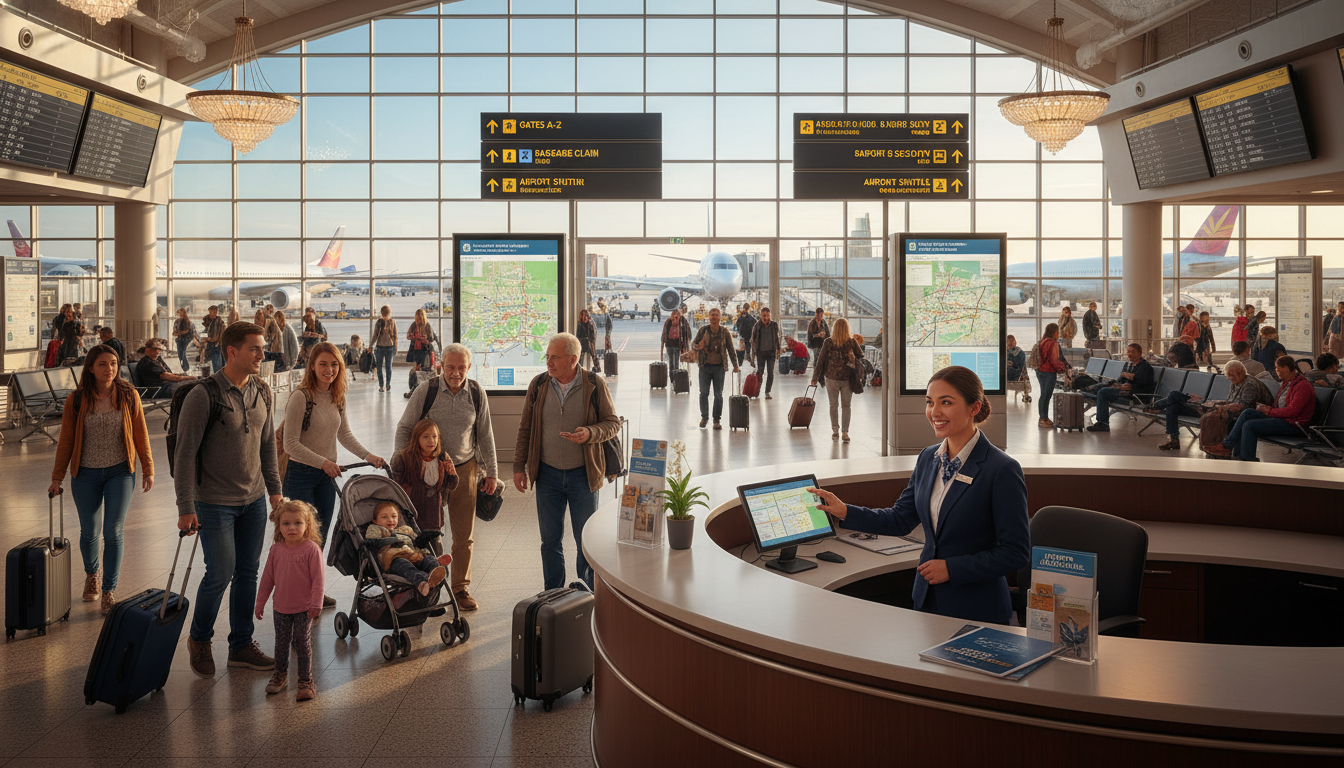
Flying for the first time can feel confusing because the airport has its own rhythm: check-in counters, baggage drop, security, immigration, gates, boarding groups, and announcements that seem to happen all at once.
The good news is that the airport becomes much easier when you know the order of steps. You do not need to memorize everything. You just need to know what comes next and give yourself enough time.
As a Filipina travel blogger, I know many first-time flyers are not only nervous about the plane. They are nervous about the airport process itself. This guide walks you through it in simple order, from preparing at home to arriving at your destination.
Disclosure: Some links on this page may be affiliate links, including travel booking links and my own Amazon paperback travel planner. I may earn a small commission at no extra cost to you if you book or buy through them.
Quick Airport Checklist for First-Time Flyers
| Before leaving home | Check your flight status, terminal, baggage allowance, passport/ID, visa, and arrival transport. |
| At the airport | Find your airline counter or kiosk, check in, drop bags if needed, then go to security. |
| After security | Find your gate first, then buy food, use the restroom, or relax nearby. |
| Boarding | Listen for your boarding group, keep your ID/passport and boarding pass ready, and follow staff instructions. |
| Arrival | Follow signs to baggage claim, immigration/customs if international, then official transport or pickup. |
Before Travel Day: Prepare the Basics
A calm airport experience starts before you leave home. The night before your flight, check your airline app or website for flight status, baggage allowance, terminal, and check-in instructions.
- Valid passport or government ID
- Visa or travel authorization, if required
- Boarding pass or booking reference
- Hotel address and return/onward ticket, if needed
- Travel insurance details
- Emergency contacts
- Mobile data, roaming, eSIM, or local SIM plan
- Power bank and charger
If you are traveling internationally, confirm entry requirements with official sources, your airline, or the destination embassy. For Filipino travelers, the Department of Foreign Affairs is a good starting point for passport and travel advisory information. US-based readers can also review the U.S. Department of State international travel checklist.
Free Planning Resource Before Your Flight
If you want one place to organize your itinerary, budget, packing list, and travel notes, download my free Budget Travel Guide. It can help you prepare without overpacking or forgetting important items.
If you prefer writing your plans by hand, my paperback travel planner on Amazon has space for transportation, accommodation, packing, and daily itinerary details.
How Early Should You Arrive at the Airport?
A common beginner rule is to arrive earlier than you think you need, especially if you are unfamiliar with the airport. Many travelers use two hours before domestic flights and three hours before international flights as a general starting point, but always follow your airline and airport guidance.
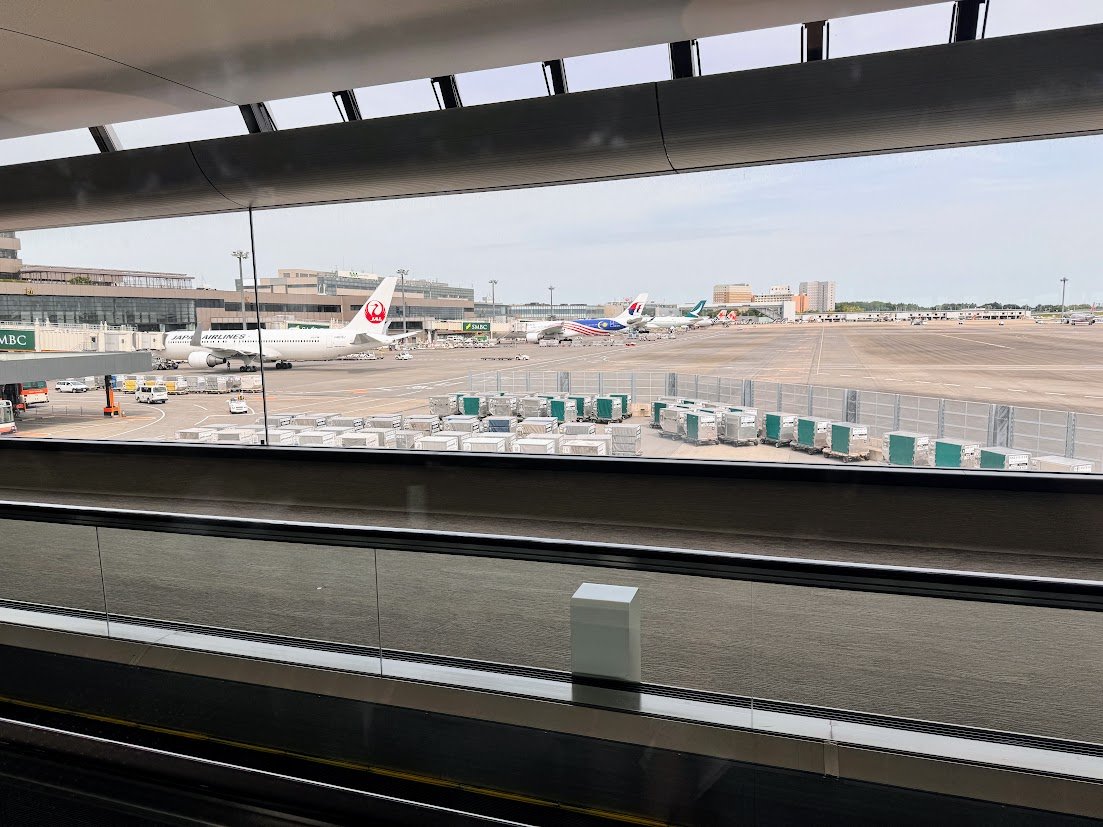
Arrive even earlier if you are flying during holidays, checking bags, traveling with children, needing special assistance, or departing from a busy airport like NAIA, LAX, JFK, Heathrow, Changi, or Narita.
For Manila flights, check official NAIA/MIAA updates and your airline before leaving. MIAA advises passengers to confirm booking, flight status, and travel guidelines through the official website or app of their airline, and its MIAA FAQ also points travelers to current terminal and airline guidance.
Step 1: Check In for Your Flight
Check-in confirms that you are taking the flight. You may do this online before arriving, at a self-service kiosk, or at the airline counter.
- Online check-in: Usually lets you choose or confirm seats and get a mobile boarding pass.
- Kiosk check-in: Useful if you need to print a boarding pass or bag tag.
- Counter check-in: Best if you have checked baggage, document checks, special requests, or international travel questions.
If you checked in online but have luggage to check, you still need to go to the bag drop or airline counter.
Step 2: Drop Your Checked Baggage
Checked baggage goes in the airplane cargo hold and is collected at your destination. Carry-on baggage stays with you in the cabin.
Before leaving home, check your airline’s baggage rules. Weight limits, number of bags, and carry-on size can vary by airline, ticket type, and route.
- Keep passport, ID, wallet, medicine, valuables, and electronics in your carry-on.
- Do not pack power banks or spare lithium batteries in checked luggage unless airline rules allow a specific setup.
- Attach a luggage tag with your name and contact details.
- Take a photo of your checked bag before dropping it off.
Step 3: Go Through Security
Security screening is where airport staff check passengers and bags before entering the departure area. Rules vary by country, so follow signs and staff instructions.
For US airport screening, the TSA travel checklist is a useful official resource. The TSA also explains the 3-1-1 liquids rule for carry-on liquids, aerosols, and gels.
General security tips:
- Keep your boarding pass and ID/passport ready.
- Remove items from pockets before the scanner.
- Place laptop or large electronics where staff can inspect them if required.
- Keep liquids easy to access if your airport requires separate screening.
- Wear shoes and layers that are easy to remove if required.
- Never joke about weapons, bombs, or security threats.
Step 4: Find Your Gate First
After security, find your gate before shopping or eating. Airports can be bigger than they look, and some gates require a long walk, train, shuttle, or extra document check.
Your gate may change, so check the airport screens and airline app. Stay close enough to hear announcements once boarding time is near.
Step 5: Boarding the Plane
Boarding usually happens by group, zone, row, or passenger type. You do not need to rush the line if your group has not been called yet.
- Keep your boarding pass and ID/passport ready.
- Listen for your group or zone.
- Put your larger carry-on in the overhead bin.
- Keep your personal item under the seat in front of you.
- Take out items you need during the flight before sitting down.
If you are confused, ask airline staff. First-time flyers ask questions all the time. That is part of their job, and honestly, better to ask than quietly panic at Gate 23.
What To Expect During the Flight
Once seated, fasten your seatbelt and listen to the safety demonstration. For takeoff and landing, crew may ask you to put your seat upright, stow tray tables, open window shades, and secure bags.
If you feel nervous, try simple grounding: breathe slowly, sip water, listen to calming music, or focus on one step at a time. My travel anxiety before flying guide has more gentle tips.
Step 6: Arrival, Baggage, and Immigration
After landing, follow signs for arrivals, baggage claim, immigration, customs, transfers, or connecting flights.
- Domestic arrival: Usually go to baggage claim, collect bags, then exit.
- International arrival: Usually go through immigration, collect baggage, clear customs, then exit.
- Connecting flight: Follow transfer signs and check whether you need to collect bags or go through security again.
For travelers entering or returning to the US, U.S. Customs and Border Protection’s Know Before You Go page is a helpful official resource for customs and declaration reminders.
Airport Transfers and Getting to Your Hotel
Plan your arrival transport before your flight. After a long travel day, you do not want to compare confusing options while tired and carrying bags.
- Use official airport taxis, ride-hailing pickup zones, hotel transfers, trains, or airport buses.
- Check whether your hotel offers pickup.
- Save your hotel address offline.
- Keep small cash for local transport if needed.
If you want a smoother arrival, you can compare airport transfers and local transport options on Klook before your trip.
What If Your Flight Is Delayed?
Delays happen. First, check your airline app and airport screens. Then listen for announcements and ask airline staff about next steps if the delay affects your connection or arrival transport.
Keep essentials in your carry-on: snacks, medicine, charger, power bank, extra layer, and important documents. A small backup plan makes delays less stressful.
First-Time Flyer Mistakes To Avoid
- Going to the wrong terminal without checking your airline.
- Arriving too close to departure time.
- Packing important documents in checked luggage.
- Ignoring baggage weight limits.
- Forgetting to check visa or entry requirements.
- Waiting too long to find your gate.
- Posting boarding pass details online.
- Booking airport transport only after landing when tired.
Need Help Planning Your Flight and Airport Transfers?
If you want support organizing flights, hotels, airport transfers, or a full local/international trip, you can message IncubhabeTravels. I help travelers plan less stressful journeys with travel assistance, partnered tours, flights, hotels, and travel services.
You can also start through my Contact Us page if you prefer the website.
Helpful Related Guides
- Travel Anxiety Before Flying
- Best Travel Apps for Your Next Trip
- 7 Day Travel Packing List
- Online Travel Booking Tips
- Travel Scams To Avoid
- Solo Travel Confidence
FAQ About Airport Tips for First-Time Flyers
What should I do first when I arrive at the airport?
Find your airline check-in counter, kiosk, or bag drop. After check-in and baggage drop, go through security and find your gate.
How early should a first-time flyer arrive?
Many travelers use two hours before domestic flights and three hours before international flights as a general starting point, but follow your airline and airport guidance for your specific route.
Can I bring liquids in my carry-on?
Rules depend on the country and airport. For US screening, check the TSA liquids rule before packing. For other countries, check your airline and airport security guidance.
What documents do I need at the airport?
You usually need a valid ID or passport and your boarding pass. International trips may also require visas, travel authorizations, return/onward tickets, or other documents depending on destination rules.
What if I cannot find my gate?
Check airport screens, follow gate signs, use the airport map, or ask airport staff. Do this early so you have enough time if the gate is far away.
A Few Booking Shortcuts, If You Need Them
You do not need to prebook everything. These are worth comparing only when they solve a real planning problem: Compare travel eSIM options if reliable mobile data would make the trip easier; Check airport-transfer choices when a direct arrival ride solves a luggage or timing problem. Compare the inclusions, meeting point, and cancellation terms before paying.
Final Thoughts
Your first airport experience does not have to be perfect. You may feel nervous, walk to the wrong side once, or ask three people where to go. That is normal.
Focus on the order: check in, drop bags, security, find gate, board, arrive, collect bags, and exit. Once you understand that flow, the airport feels much less like a maze and more like a checklist you can handle.
What I Would Do First at the Airport
I would arrive early, check the departure board, and confirm the airline counter before joining any line. Keep your passport, ticket, phone, wallet, and pen within easy reach. Put liquids, power banks, and documents where you can remove them without opening every part of your bag.
After immigration and security, go to your gate area before shopping or eating. Once you know where the gate is, the airport feels calmer. You can still walk around, but you will not be guessing how far you are from boarding.