
I still remember my first trip to Europe. I overspent on things I didn’t need and ate at expensive restaurants. It wasn’t until I got home that I saw how much I spent.
To avoid making the same mistakes on your next trip, it’s key to know where your money goes.
Good budgeting for travel lets you enjoy your trip without worrying about money. Knowing common mistakes helps you save money on trips and have a better time.
As someone who learned from mistakes, I’m sharing the top 5 travel overspending mistakes to avoid on your next adventure.
Key Takeaways
- Understand your spending habits before traveling
- Create a realistic budget for your trip
- Avoid impulse buys and touristy areas
- Research affordable accommodations and dining options
- Plan ahead to save on transportation costs
1. Ignoring a Travel Budget
Many travelers forget to set a travel budget. This is a big mistake. It’s important to plan your finances for a trip.
Having a budget helps you make smart spending choices. This way, you avoid spending too much and feeling stressed.
Benefits of Setting a Budget
Setting a budget has many good points. It helps reduce stress and lets you choose what to spend on.
A good budget lets you spend on what you really want. For example, if you love museums, you can spend more on those.
How to Create a Realistic Budget
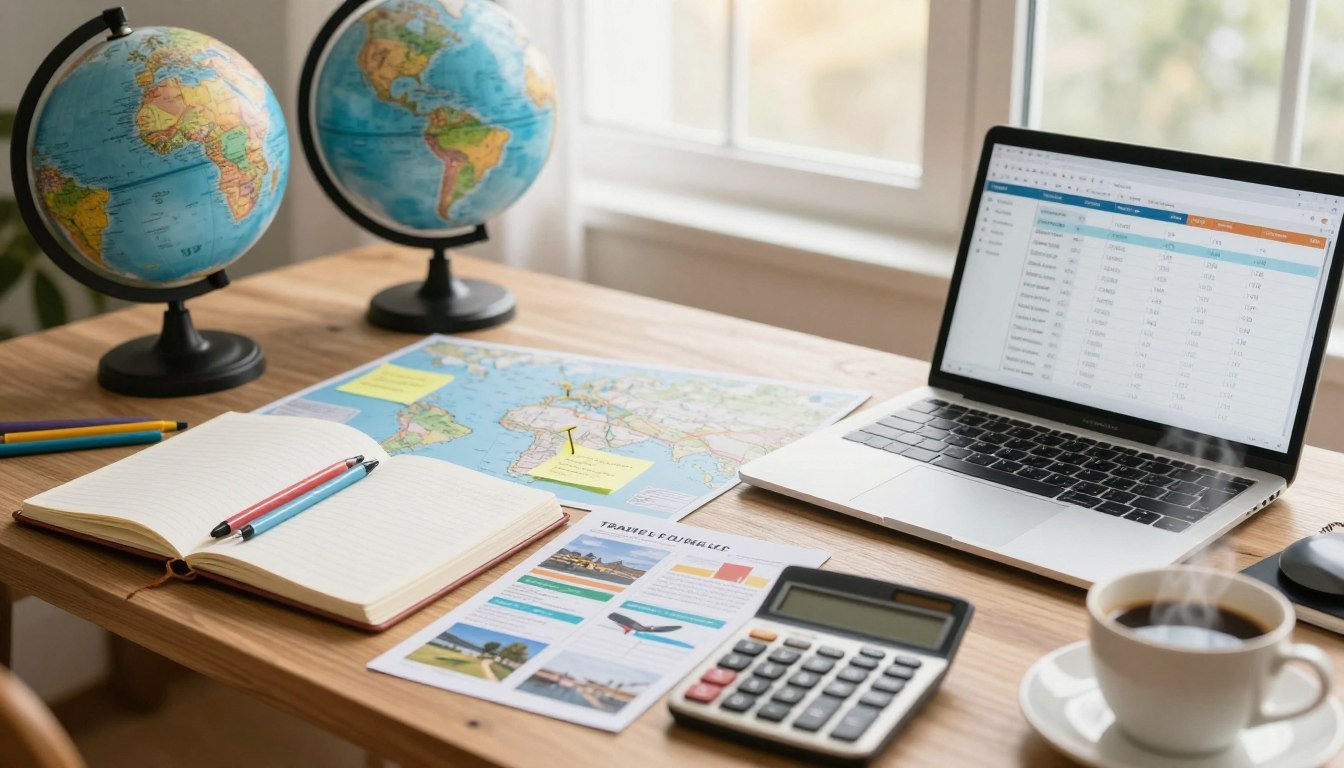
To make a good budget, start by learning about your destination. This helps you guess how much things will cost.
Here’s how to make a budget:
- Think about how much you’ll spend on getting there, like flights.
- Plan for where you’ll stay, like hotels or camping.
- Figure out how much you’ll spend on food and eating out.
- Don’t forget to budget for things to do, like museum tickets.
Breaking down these costs helps you make a budget that really works for you.
| Expense Category | Estimated Cost | Actual Cost |
|---|---|---|
| Transportation | $500 | $450 |
| Accommodation | $800 | $750 |
| Food and Dining | $300 | $320 |
| Activities and Attractions | $200 | $180 |
Tools for Budget Management
There are many tools to help manage your money while traveling. Apps and spreadsheets are great for this.
Apps like Mint and YNAB help track your spending. Spreadsheets let you organize your spending in your own way.
Using these tools helps you keep track of your spending. This way, you can stay within your budget.
2. Underestimating Travel Costs
One big mistake when traveling is not knowing the total cost. This can cause a lot of stress. It’s key to think about all costs to avoid spending too much.
Travel costs fall into several areas. Knowing these can help make a better budget.
Hidden Fees in Flights and Hotels
Flights and hotels often have hidden fees. These can add up a lot. Fees might be for bags, in-flight stuff, or hotel extras like Wi-Fi.
- Always check for extra fees when booking flights or hotels.
- Look for budget options that include everything in the price.
- Read the small print to avoid unexpected charges.
Daily Expenses to Consider
Daily costs like food, transport, and fun can change a lot. It’s important to know what to expect.
- Plan your meals and snacks to save money.
- Find cheap ways to get around, like public transport or walking.
- Find free or cheap things to do and see.
Currency Exchange Rates
For trips abroad, currency exchange rates matter a lot. Knowing the rates and fees can help with budgeting.
- Use a service or credit card with no foreign fees.
- Avoid exchanging money at airports or tourist spots for bad rates.
- Use local money for things to avoid extra fees.
Knowing about these costs and how to manage them can prevent financial stress. Using cost-effective travel tips and watching daily expenses can make your trip better and cheaper.
3. Choosing Unnecessary Upgrades
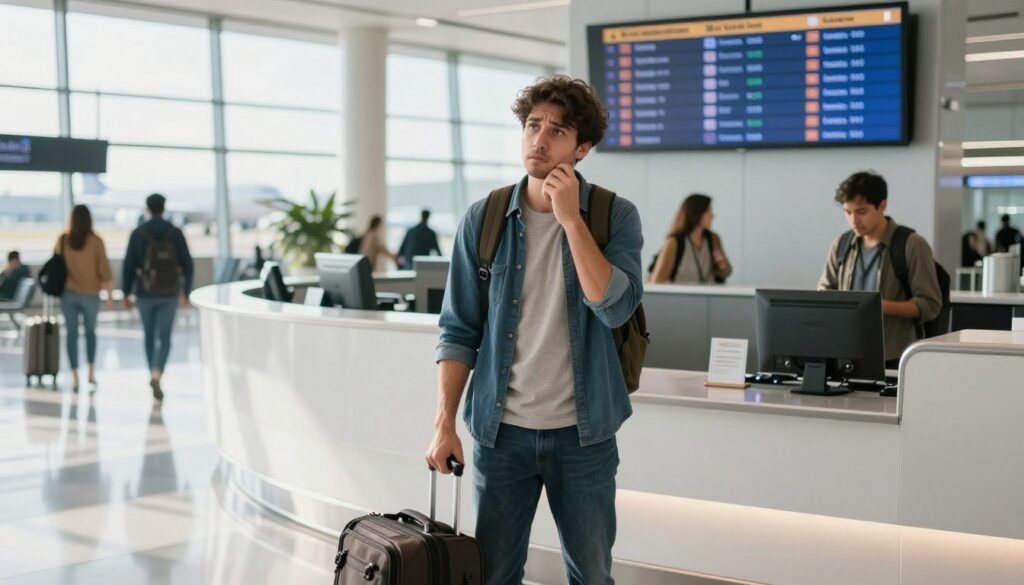
When planning a trip, picking unnecessary upgrades is a big mistake. Upgrades can make your trip better, but they cost a lot. It’s important to think if the extra money is worth it.
Upgrading Flights: Is It Worth It?
Upgrading flights can make your travel more comfortable. But, is it really worth the extra money? For example, business or first class can be pricey. Yet, it might offer more space, better service, and special lounges.
- Assess the duration of the flight: For long flights, an upgrade might be better because of the extra comfort.
- Consider the cost: Think about if the upgrade fits your trip budget.
- Look for deals: Airlines sometimes offer cheaper upgrades or loyalty programs.
Luxury Accommodations vs. Value Stays
Travelers often choose between luxury hotels and cheaper options. Luxury hotels have great amenities but cost more.
- Evaluate your priorities: If you want luxury, ask if it’s worth the price.
- Research alternatives: Find hotels that are good value without losing comfort.
- Consider the purpose of your stay: For work trips, a simple hotel might be enough. But for honeymoons, luxury might be better.
Dining Experiences: Splurging Wisely
Dining is a big part of traveling. It’s tempting to spend a lot on fancy restaurants. But, it’s smart to enjoy local food without spending too much.
- Research local eateries: Find local restaurants with great food at good prices.
- Take advantage of meal deals: Some hotels have meal packages or discounts.
- Limit fine dining: Save fancy meals for special times or when they’re really worth it.
4. Overlooking Off-Peak Travel
Off-peak travel is often ignored, but it saves a lot of money. It makes your trip better without spending too much. Think about when you travel to save money.
Savings from Traveling in Off-Peak Seasons
Traveling in off-peak times can save a lot. For example, flying to Europe in spring or fall is cheaper than summer. Visiting places like Florida or Hawaii when they’re not busy can also save money.
Key savings areas during off-peak travel include:
- Lower flight prices due to reduced demand
- Discounted hotel rates as hotels try to fill rooms
- Reduced prices for tourist activities and attractions
Benefits of Flexible Travel Dates
Being flexible with your travel dates can save a lot. Prices change based on the day and time of year. For example, flying on Tuesdays and Wednesdays is often cheaper than weekends.
| Travel Component | Peak Season | Off-Peak Season |
|---|---|---|
| Flights | $800 | $500 |
| Accommodation (7 nights) | $1,400 | $700 |
| Activities & Attractions | $300 | $200 |
| Total | $2,500 | $1,400 |
Choosing off-peak travel saves money and makes your trip better. It helps you plan your vacation without going into debt.
5. Relying Too Much on Credit Cards
Credit cards are great for rewards and ease when traveling. But, they can cause big money problems if not used right. Too much credit card use can lead to spending too much and getting into debt.
To stay safe, it’s key to know the risks. And to manage your money well while traveling.
The Dangers of Charging Everything
Using credit cards for everything can make you forget how much you’re spending. This can cause you to spend too much. And then you’ll have a big bill at the end of your trip.
- Keep receipts and record purchases to monitor your spending.
- Set a daily budget and stick to it to avoid overspending.
- Use a travel budgeting app to track expenses in real-time.
Interest Rates and Travel Debt
High interest rates on credit cards can make a small bill into a big debt problem. It’s important to know your credit card’s interest rate. And to pay off your balance every month.
Here are some tips to manage interest rates and avoid travel debt:
- Pay your balance in full each month to avoid interest charges.
- Consider a credit card with a 0% interest rate promotion for travel expenses.
- Make timely payments to avoid late fees and interest rate increases.
Alternatives to Using Credit Cards
While credit cards are convenient, there are other ways to pay. Using a debit card or cash can help you stay within your budget.
Some benefits of using debit cards or cash include:
- Avoiding the risk of overspending and accumulating credit card debt.
- Having more control over your daily expenses.
- Not having to worry about interest rates and credit card fees.
By choosing the right payment method and managing your spending, you can enjoy your trip without money worries.
6. Failing to Research Destinations
Not researching your destination well is a big mistake. I always gather lots of info about where I’m going. This helps me avoid surprises and stay within my budget.
The Importance of Comparing Prices
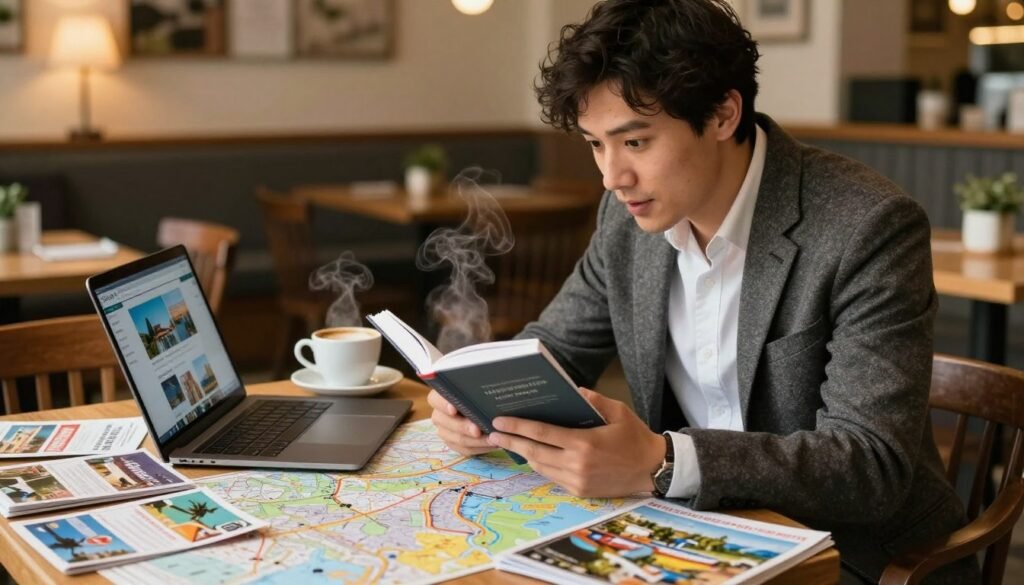
It’s key to compare prices for places to stay, flights, and things to do. This way, I find cost-effective options that fit my budget. Websites that compare travel costs can help save money on flights and hotels.
Local Transportation Costs
Knowing how much local transport costs is important. I check out public transport, taxis, and car rentals and their prices. This helps me plan my spending better and avoid spending too much.
Activities and Attraction Fees
It’s also crucial to know the fees for activities and attractions. I look up entrance fees, tour costs, and other experiences. This lets me choose what’s most important to me and budget better.
Researching well helps me make a good budget and enjoy my trip without spending too much. This smart planning is a big cost-effective travel tip for me.
7. Last-Minute Booking
Booking travel at the right time is key to saving money. Planning ahead is usually best. But, sometimes last-minute deals can save a lot.
How Booking Early Can Save Money
Booking early can get you better rates. Airlines and hotels give discounts for early bookings. This can save you money.
Advantages of Early Booking include:
- Lower fares for flights
- Discounted rates for hotel bookings
- Better availability of preferred seats and rooms
| Booking Time | Average Flight Cost | Average Hotel Cost |
|---|---|---|
| 3 Months in Advance | $400 | $150/night |
| 1 Month in Advance | $450 | $180/night |
| Last Minute | $500 | $200/night |
Understanding Last-Minute Deals
Last-minute deals can be good, especially for those who like to travel on a whim. Airlines and hotels might lower prices to fill empty seats or rooms.
To get the best from last-minute deals, be ready to act fast. Be flexible with your travel plans. Use travel apps and websites for alerts on deals. This way, you can spend wisely on travel, helping with financial planning for vacations and avoiding vacation debt.
8. Impulse Purchases While Traveling
Impulse buys can quickly add up and ruin your travel budget. Traveling offers many chances for unplanned spending. This includes souvenirs, dining, and activities.
To avoid overspending, it’s key to manage your money well. Being aware of your spending and making smart choices is important.
Strategies to Avoid Impulse Spending
One way to stop impulse spending is to set a budget for fun money before you go. This helps you stay within your travel budget and avoid spending too much.
- Set a daily limit for extra spending and stick to it.
- Don’t shop when you’re tired or feeling strong emotions. It can lead to bad choices.
- Look up prices before you go to make sure you’re not paying too much.
Planning Souvenir Purchases
Planning your souvenir buys can help you make better choices. Consider setting travel budgets just for souvenirs and keep to them.
- Decide how much you want to spend on souvenirs before you go.
- Find out about local special items you want to buy.
- Try not to buy souvenirs when it’s really busy. Prices might be higher then.
Being careful with your spending and having plans can make your trip better. Good planning and budgeting lead to a fun and worry-free trip.
9. Neglecting Discounts and Loyalty Programs
Using discounts and loyalty programs is a great way to save money on trips. Many travelers can cut their costs by using these offers.
Travel loyalty programs give rewards to those who travel a lot. You can get free flights, hotel stays, and upgrades. By joining these programs, you can earn points or miles for travel expenses.
Benefits of Travel Loyalty Programs
Being part of travel loyalty programs has many benefits. You can:
- Earn points or miles for every dollar spent
- Use rewards for flights, hotel stays, and more
- Get special discounts and offers
- Enjoy perks like priority check-in and boarding
Utilizing Discounts and Coupons
Travelers can also save by using discounts and coupons. This includes:
- Coupon codes for flights and hotels
- Discounts on activities and attractions
- Special promotions and sales
By keeping an eye out for these deals, trips can be more affordable. Using discounts and loyalty programs is a smart way to save money.
10. Not Taking Advantage of Group Rates
Traveling with friends can save money. By planning together, you can get discounts on places to stay and things to do. This makes your trip cheaper.
Savings from Traveling with Friends
Staying in a big house with friends is cheaper. It’s also more fun because you can hang out together.
Group Discounts on Accommodations and Activities
Hotels and places to do things offer discounts for groups. Planning together can get you better prices. This is a smart way to save money.
Using sites like Klook can find deals on fun activities. This helps you save even more. With these tips, your trip can be cheaper and more fun.