
Exploring Asia, I found that “cheap” isn’t always true. Costs change a lot based on the country, city, and how you travel.
Planning a trip to Vietnam? Knowing your daily expenses is key for a worry-free trip. Breaking down costs helps you budget better and enjoy your time more.
During planning, I locked in day tours, attraction tickets, and airport transfers ahead of time using Klook. Seeing prices upfront helped me estimate daily costs more accurately and avoid impulse spending once I arrived.
Klook.comMy own travels showed that a 7-day budget plan is very helpful. It lets you plan your trip with confidence.
Key Takeaways
- Daily expenses in Vietnam can vary greatly depending on accommodation choices.
- Food costs can range from affordable street food to high-end restaurant experiences.
- Transportation options, including taxis and public transport, impact overall costs.
- Activities and sightseeing can be budgeted in advance for a more enjoyable trip.
- A realistic 7-day budget breakdown helps in planning a cost-effective trip.
My Vietnam Budget Overview
As I explored Vietnam, I kept track of my spending. This helped me see how different things affected my total cost. I also tracked which expenses I booked in advance. Tours and transfers booked through Klook stayed within budget and reduced last-minute price jumps, especially in popular cities.
What I Spent on My Recent Vietnam Trip
I spent $800 over 14 days, averaging $57 a day. This covered my stay, food, travel, and fun activities.
Budget Categories Breakdown
My spending fell into several areas: where I stayed, what I ate, how I got around, and what I did. Knowing this helped me control my spending.
Fixed Costs vs. Variable Expenses
Fixed costs were my stay and some travel fees. Variable expenses were food and activities. This helped me adjust my spending to fit my preferences.
| Category | Fixed/Variable | Average Daily Cost |
|---|---|---|
| Accommodation | Fixed | $15 |
| Food | Variable | $10 |
| Transportation | Fixed/Variable | $5 |
| Activities | Variable | $12 |
Vietnam Travel Cost Per Day: What to Expect
Vietnam’s travel scene is varied, affecting daily costs. Whether you’re a budget-conscious backpacker or a luxury traveler, knowing your daily expenses is crucial for trip planning.
Backpacker Budget: $25-40 Per Day
Backpackers can save money by staying in hostels, eating street food, and using local transport. A daily budget of $25-40 can offer a comfortable experience, letting you enjoy Vietnam’s culture without overspending.
Mid-Range Budget: $40-80 Per Day
Travelers with a mid-range budget can enjoy more comfort and flexibility. With $40-80 per day, you can stay in mid-range hotels, eat at local restaurants, and take guided tours. This budget allows for a more relaxed pace and the chance to try some of Vietnam’s best experiences.
Luxury Budget: $80+ Per Day
For those with a luxury budget, Vietnam offers top-notch accommodations, fine dining, and exclusive activities. Spending $80 or more per day can make your trip luxurious and unforgettable, with access to the best hotels and unique experiences.
How My Actual Spending Compared to Expectations
During my trip, my daily spending was within the mid-range budget. I found that with some planning, I could have a comfortable experience without going over budget.
Accommodation Costs in Vietnam
Accommodation costs in Vietnam vary a lot. This depends on your travel style and what you prefer. You can find everything from cheap hostels to fancy hotels, fitting all budgets and travel styles.
If you want to keep accommodation costs predictable, checking hotel deals before arrival helps a lot. I compare hotel prices early to see what fits my daily budget, especially in cities like Hanoi, Ha Long City, and emerging business areas. Some hotels offer strong value for mid-range and premium travelers when booked in advance.
You can explore current hotel deals in Vietnam here and filter by price, rating, and location to match your travel style.
Klook.comHostels and Budget Options ($5-15)
For those watching their budget, hostels and budget hotels are great. Prices start at $5-15 per night. These places offer basic needs and a chance to meet other travelers.
- Dormitory-style hostels: $5-10 per night
- Private rooms in hostels: $10-15 per night
- Budget hotels: $15-25 per night
Mid-Range Hotels ($15-50)
Mid-range hotels offer more comfort and extras. Prices are $15-50 per night. These hotels have clean rooms, air conditioning, and sometimes breakfast.
Key features:
- Clean and comfortable rooms
- Air conditioning and basic amenities
- Sometimes includes breakfast
Luxury Accommodations ($50+)
Luxury hotels and resorts have top-notch amenities and services. Prices start at $50 and can be hundreds per night. These places offer a luxurious stay, with pools, spas, and fine dining.
Best Value Accommodations I Found
I found some great deals on my trip. For example, I stayed at a mid-range hotel in Hanoi for $25 per night. It was very comfortable and had great amenities.
Here are some top picks:
- Hostel: “City Backpacker Hostel” in Ho Chi Minh City ($17 per night)
- Mid-range hotel: “Hanoi Golden Hotel” ($25 per night)
- Luxury resort: “Anantara Mui Ne Resort” ($100 per night)
Food and Drink Expenses
Vietnam is famous for its tasty street food. I found that eating well here doesn’t have to cost a lot. The quality and affordability of Vietnamese food are big draws for travelers.
Street Food Costs ($1-3 per meal)
Street food is a big part of Vietnam, offering many dishes at low prices. For $1-3, you can get a full meal that’s both tasty and true to local flavors. You can try Pho (noodle soup), Banh Mi (sandwiches), and various rice dishes.
Restaurant Meals ($5-15)
If you want a sit-down meal, prices are still good. For $5-15, you can enjoy local and international dishes in a clean place. Many restaurants offer set menus that give you great value.
Drinks and Nightlife Expenses
Vietnam’s nightlife is lively, with many affordable drink and entertainment options. A beer is about $0.50-$1, and cocktails are $2-$5. You can also find places with live music and other shows.
My Favorite Budget Eats in Vietnam
I found some great places to eat on a budget during my travels. Here are a few of my top picks:
| Location | Restaurant/Street Food | Average Cost per Meal |
|---|---|---|
| Hanoi | Street Pho near Hoan Kiem Lake | $2 |
| Ho Chi Minh City | Banh Mi 37 | $1.5 |
| Da Nang | Mi Quang Street Food | $2.5 |
Transportation Costs in Vietnam
Traveling in Vietnam means knowing your transport options and costs. Whether you’re on a tight budget or prefer luxury, understanding Vietnam’s transport network is key. It can greatly affect your travel expenses.
Local Transportation (Buses, Taxis, Grab)
Local transport in Vietnam is both cheap and easy. Buses are the cheapest, starting at $0.50. Taxis and Grab start at $2-$3 for short rides.
Domestic Flights
For longer trips, domestic flights are a good choice. Prices vary by airline and booking time. Expect to pay $50-$150 for a one-way ticket.
Motorbike Rental and Fuel
Renting a motorbike is great for short trips. Costs range from $5-$15 per day. Fuel is also cheap, at $0.20-$0.50 per liter.
Transportation Booking Strategies That Saved Me Money
To cut transport costs, I tried a few things. Booking flights early got me better deals. Grab was often cheaper than taxis. Renting a motorbike for short trips saved money and let me explore freely. For airport transfers and intercity transport, I pre-booked selected options through Klook. This helped me avoid negotiating fares after long flights and kept transport costs predictable, especially in Hanoi and Ho Chi Minh City.
Activity and Entrance Fee Costs
Exploring Vietnam, I found that activity costs and entrance fees were big parts of my daily expenses. Knowing these costs helps you plan your trip budget better.
Tourist Attractions Entry Fees
Entry fees for popular spots in Vietnam vary from a few dollars to over $20. For example, the Imperial City in Hue costs $7-$15 per person. The Cu Chi Tunnels entrance is about $5-$10.
Day Tours and Guided Experiences
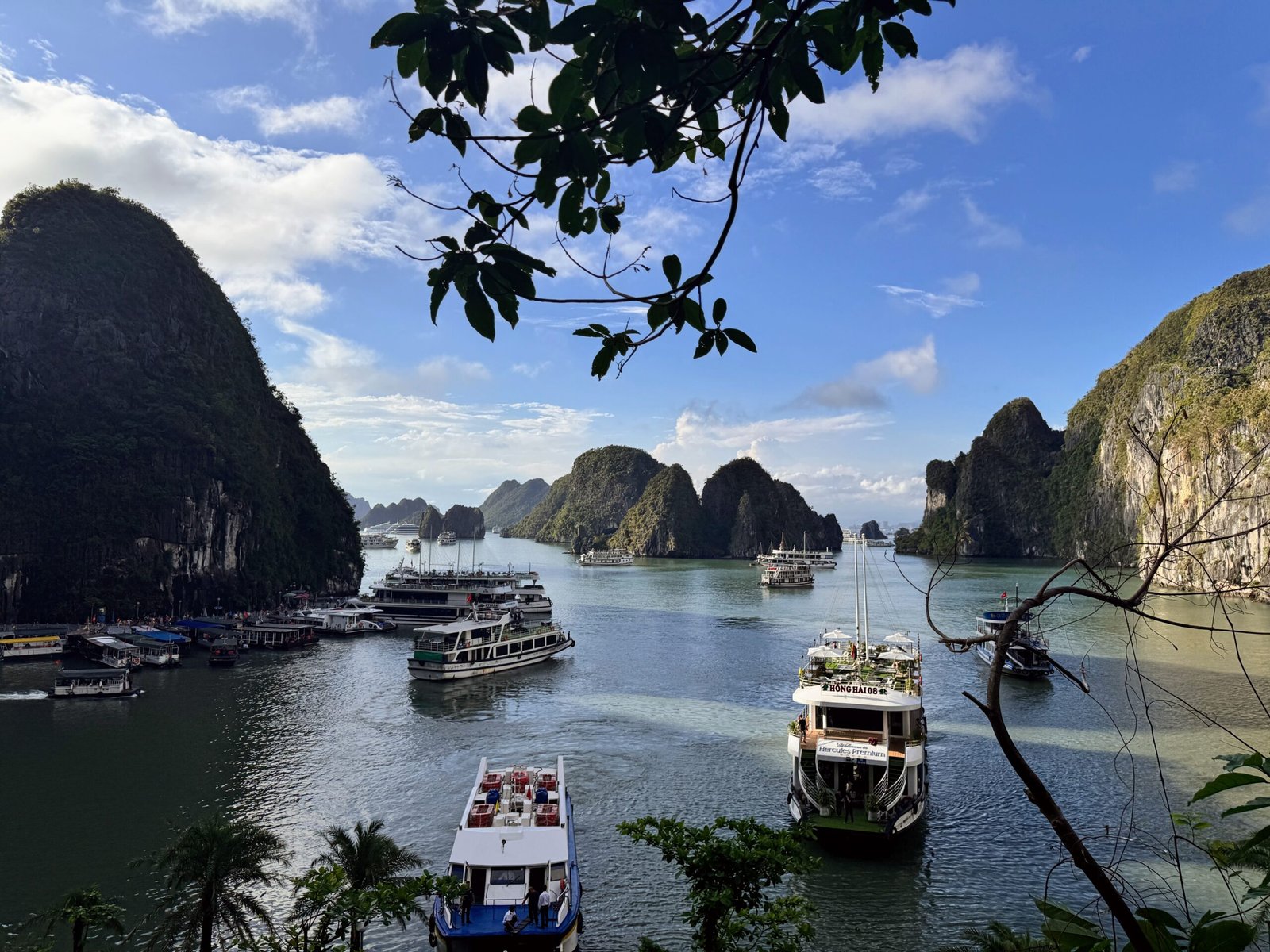
Day tours and guided experiences can make your Vietnam trip better. Prices change based on the tour and the experience. A Ha Long Bay tour, for example, can be $30-$100 per person. To control activity costs, I booked popular day tours and attraction tickets ahead using Klook. This worked well for experiences like Ha Long Bay tours and cultural shows, where walk-in prices often run higher during peak season.
Klook.comCultural Shows and Entertainment
Experiencing cultural shows, like traditional water puppet performances, is a must. These shows usually cost $10-$30 per person.
Pre-booking vs. On-the-spot Purchasing
When booking activities, I compared on-the-spot prices with advance bookings. Pre-booking through platforms like Klook often locked in lower rates and guaranteed slots for popular attractions, which helped keep my daily Vietnam travel costs stable.
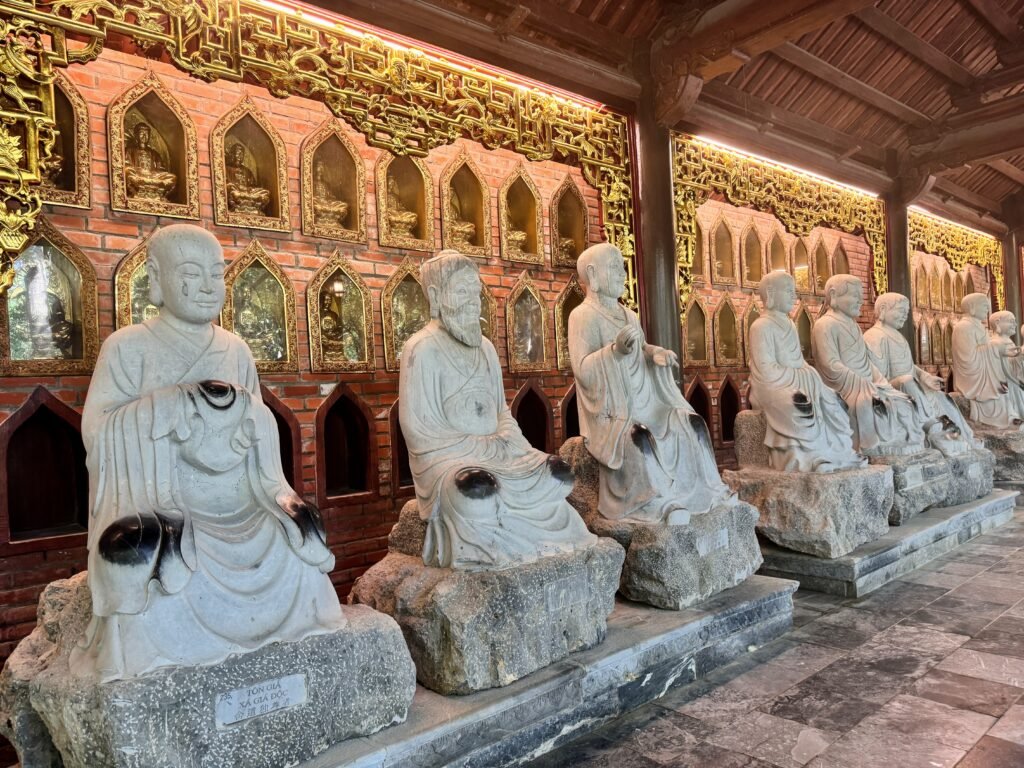
In conclusion, activity and entrance fee costs in Vietnam can change a lot based on your choices. Planning ahead and comparing prices helps manage these costs well.
Regional Cost Differences in Vietnam
Traveling through Vietnam, I saw big cost differences in different areas. Each region offers unique experiences, affecting costs.
Northern Vietnam (Hanoi, Sapa, Ha Long Bay)
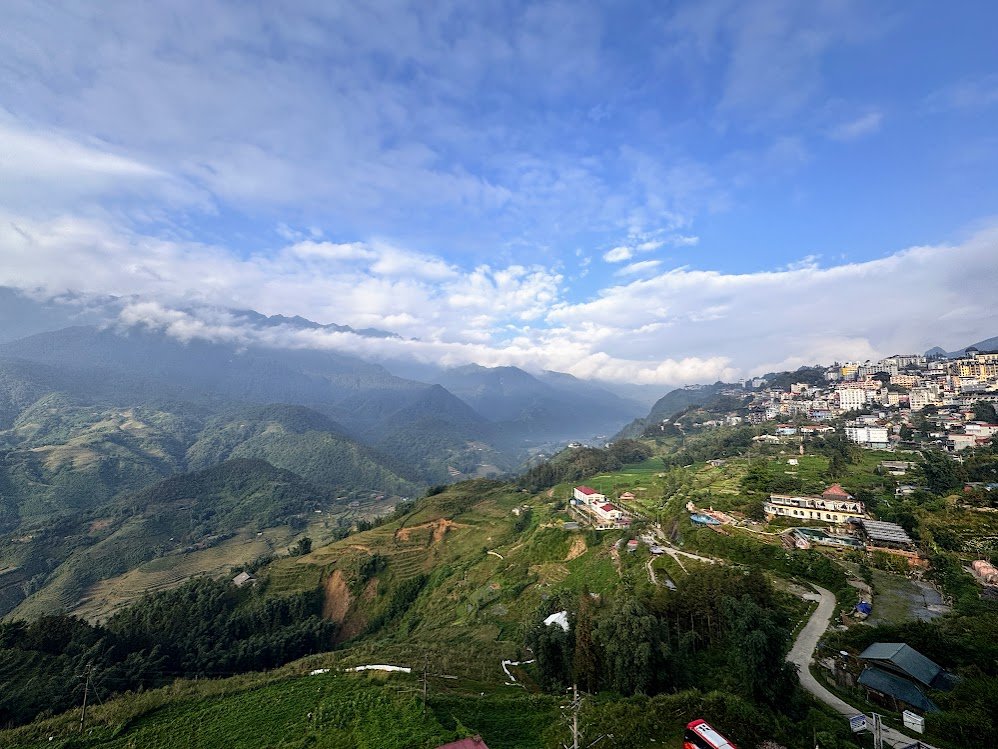
Northern Vietnam is known for its culture and natural beauty, making it more affordable. In Hanoi, you can find cheap places to stay and tasty street food for just $1-3. But, places like Sapa and Ha Long Bay cost more because of trekking and cruises.
Central Vietnam (Hue, Da Nang, Hoi An)
Central Vietnam has history and modern spots. Da Nang and Hoi An are popular, making things a bit pricier. Expect to spend $5-15 for a meal in mid-range places.
Southern Vietnam (Ho Chi Minh City, Mekong Delta)
Southern Vietnam, especially Ho Chi Minh City, is lively and more expensive. The city has many places to stay, from cheap to fancy. The Mekong Delta is cheaper but still lets you see rural Vietnam.
Where I Found the Best Value for Money
In my travels, Northern Vietnam, especially Hanoi, was the best deal. It offers great food and culture at good prices.
To travel Vietnam on a budget, knowing cost differences is key. This way, you can choose where to spend your money for the best value.
7-Day Vietnam Trip Budget Breakdown
Knowing the costs of a 7-day Vietnam trip is key for travelers. Vietnam has something for everyone, from budget-friendly to luxury options.
The cost of a 7-day trip in Vietnam changes based on what you want and your budget. Here’s a look at estimated costs for different travelers.
Budget Traveler: $175-280 Total
Budget travelers spend $25 to $40 daily. This includes hostels, street food, and local transport.
- Accommodation: $5-15 per night
- Food: $1-3 per meal
- Transportation: $5-10 per day
- Activities: $10-20 per day
Mid-Range Traveler: $280-560 Total
Mid-range travelers spend $40 to $80 daily. They stay in mid-range hotels, eat at local restaurants, and join guided tours.
- Accommodation: $15-50 per night
- Food: $5-15 per meal
- Transportation: $10-20 per day
- Activities: $20-40 per day
Mid-range travelers can reduce surprise expenses by booking tours and attraction tickets in advance. I used Klook to plan activity days ahead, which helped keep my 7-day Vietnam budget close to estimates.
Luxury Traveler: $560+ Total
Luxury travelers spend over $80 daily. They enjoy high-end hotels, fine dining, and premium services.
- Accommodation: $50+ per night
- Food: $15+ per meal
- Transportation: $20+ per day
- Activities: $40+ per day
My Actual 7-Day Spending Journal
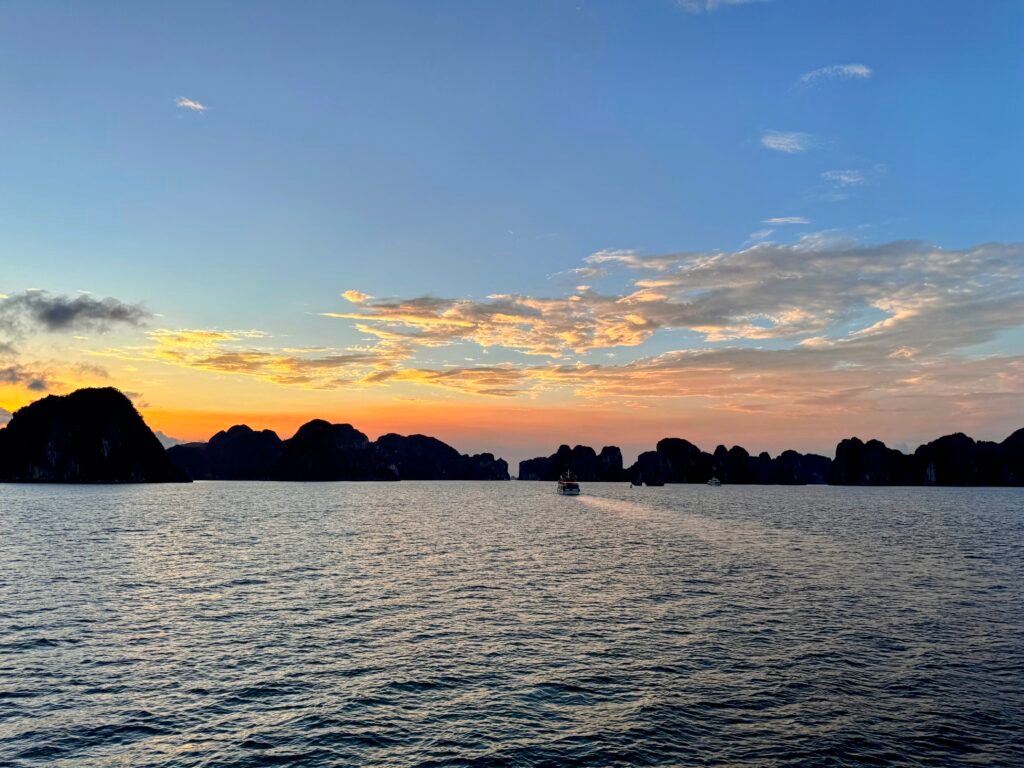
I spent around $350 on my 7-day Vietnam trip, fitting the mid-range category.
- Choosing hostels or budget hotels can lower accommodation costs.
- Street food is affordable and a great way to try local dishes.
- Transport costs vary depending on the type of transport.
Unexpected Costs and Budget Surprises
My recent trip to Vietnam showed me that even with careful planning, unexpected costs can pop up. While Vietnam is known for being budget-friendly, some expenses can surprise travelers.
Hidden Fees I Encountered
During my travels, I found several hidden fees that increased my expenses. For example, some tourist spots had extra fees for things like camera use or mandatory tours.
Tourist Traps to Avoid
Vietnam has its share of tourist traps, like overpriced restaurants and scams. Knowing about these can help you avoid unnecessary spending.
Emergency Expenses to Plan For
It’s crucial to plan for emergency expenses, like medical emergencies or last-minute travel changes. Having a budget buffer can give you peace of mind.
| Expense Type | Average Cost | Tips to Minimize |
|---|---|---|
| Hidden Fees | $5-10 per attraction | Research attractions thoroughly |
| Tourist Traps | Varies | Be cautious of overly friendly locals, avoid unlicensed tours |
| Emergency Expenses | $50-100 | Keep an emergency fund, purchase travel insurance |
Vietnam vs. Other Southeast Asian Countries
Traveling through Southeast Asia, I saw big price differences. Vietnam, Thailand, Cambodia, and Malaysia all have their own costs. Knowing these differences helps travelers save money.
Vietnam vs. Thailand Costs
Thailand is pricier than Vietnam, especially in places like Phuket and Koh Samui. But, both countries have cheap options for staying, eating, and getting around. You just need to look beyond the tourist spots.
Vietnam vs. Cambodia Costs
Cambodia is the cheapest place in Southeast Asia. It has very low prices for places to stay and food. But, some attractions and transport costs are similar to Vietnam’s.
Vietnam vs. Malaysia Costs
Malaysia has both cheap and luxury travel options. Food and lodging can be affordable, but some attractions and activities might cost more than in Vietnam.
Value Comparison: Where Your Dollar Goes Furthest
Cambodia is the top choice for budget travelers because of its low costs. Vietnam is a good balance of cost and experience. Thailand and Malaysia offer both affordable and luxury choices.
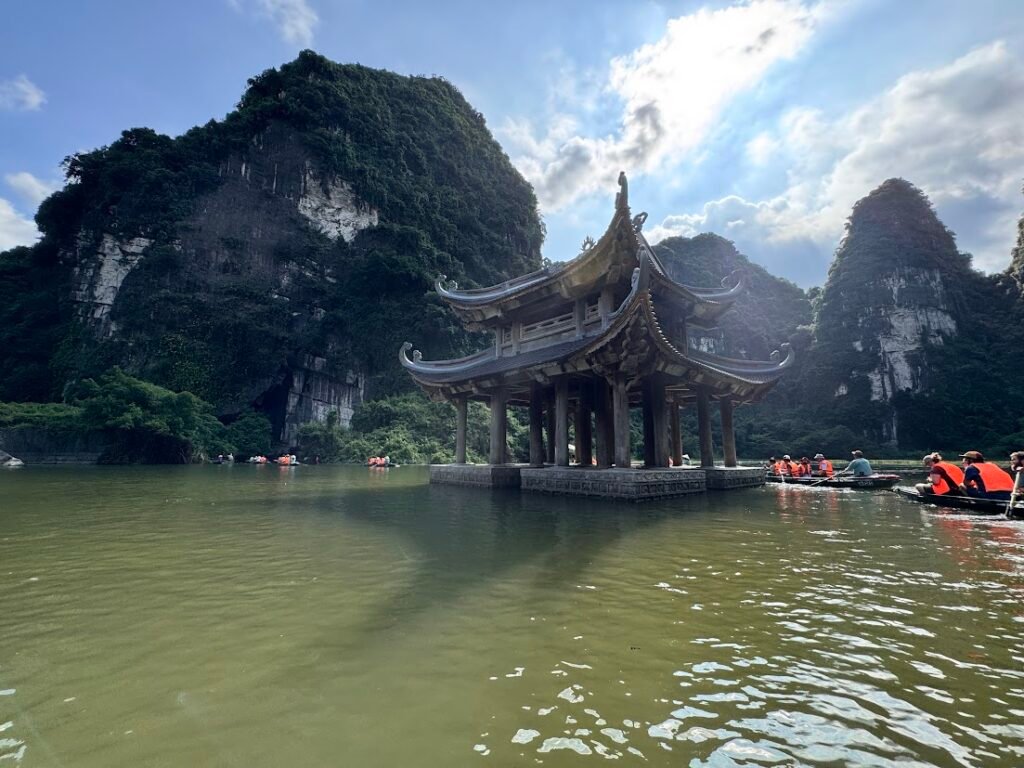
In summary, Vietnam is a great value, but the best choice depends on your budget and what you want. Knowing the price differences helps plan a better Southeast Asian trip.
Money-Saving Tips for Vietnam Travel
Exploring Vietnam, I found many ways to save money. Knowing the local economy helps cut costs and makes your trip better.
Negotiation Strategies That Worked for Me
In Vietnam, haggling is common, especially at markets and from street vendors. First, research prices to know what to expect. Then, be ready to leave if the deal isn’t good. A smile and respect can help you get a better price.
Seasonal Price Variations
Vietnam welcomes visitors all year, but prices change with the seasons. Prices are highest from December to February, when it’s busiest. Visiting in the shoulder season (March to May or September to November) can save you a lot.
Local vs. Tourist Prices
Prices for locals and tourists differ a lot. Eating at local spots, shopping at markets, and using public transport can save you money. For example, a meal at a local place costs $1-3, while tourist spots charge $5-15 or more.
Digital Payment Options and ATM Fees
Digital payments are getting more common in Vietnam, especially in big cities. They help you carry less cash and might save on ATM fees. But, know your card’s fees and tell your bank you’re traveling to avoid problems.
| Service | Local Price | Tourist Price |
|---|---|---|
| Meal at Restaurant | $1-3 | $5-15 |
| Motorbike Rental (per day) | $5-10 | $10-20 |
| Accommodation (per night) | $10-20 | $20-50 |
Another way I saved money was booking activities and transfers before arriving. Seeing total costs upfront through Klook helped me avoid overspending on impulse tours once already on the ground.
By keeping these tips in mind, you can have a budget-friendly trip to Vietnam. You won’t have to sacrifice the quality of your experience.
Conclusion: Is Vietnam Budget-Friendly?
After looking at different costs for traveling in Vietnam, I can say it’s a budget-friendly place. The cost per day can be from $25 to over $80. This depends on what you like and how you travel.
Accommodation, food, and transport costs are lower here than in many other Southeast Asian countries. A backpacker can manage on $25-40 a day. Those who prefer mid-range can spend $40-80 a day. And for luxury, it’s $80 or more a day.
Costs can change based on where you are and the time of year. But, with smart planning, you can have a budget-friendly trip to Vietnam. Vietnam is a great mix of affordability and experience, making it a top choice for travelers.
FAQ
What is the average daily budget for traveling in Vietnam?
How much does street food cost in Vietnam?
What is the average daily budget for traveling in Vietnam?
How much does street food cost in Vietnam?
FAQ
What is the average daily budget for traveling in Vietnam?
Traveling in Vietnam can cost differently based on how you travel. Backpackers might spend -40 a day. Mid-range travelers could pay -80 daily. And luxury travelers might spend or more each day.
How much does street food cost in Vietnam?
Street food in Vietnam is very cheap. Most meals are between
FAQ
What is the average daily budget for traveling in Vietnam?
Traveling in Vietnam can cost differently based on how you travel. Backpackers might spend $25-40 a day. Mid-range travelers could pay $40-80 daily. And luxury travelers might spend $80 or more each day.
How much does street food cost in Vietnam?
Street food in Vietnam is very cheap. Most meals are between $1-3.
What are the accommodation costs like in Vietnam?
In Vietnam, you can find places to stay for different prices. Budget hostels cost $5-15. Mid-range hotels are $15-50. And luxury places cost $50 or more.
How much should I budget for transportation in Vietnam?
Transportation costs in Vietnam vary. Local transport like buses and taxis are a few dollars. Domestic flights can be $50-100 or more. And renting a motorbike costs around $5-10 a day.
Are there any hidden fees or tourist traps I should be aware of in Vietnam?
Yes, some places and services might have hidden fees. Also, some areas might have tourist traps. It’s good to research and know about these extra costs.
How does Vietnam compare to other Southeast Asian countries in terms of cost?
Vietnam is often seen as a more affordable place compared to Malaysia. But it’s similar to Thailand and Cambodia in cost. Prices can change based on where you are and how you travel.
Can I use digital payments in Vietnam, and are there any ATM fees I should know about?
Digital payments are getting more common in Vietnam, especially in tourist spots. ATMs are easy to find. But, some ATMs might charge fees. Your bank might also charge for foreign transactions.
What is the best way to save money while traveling in Vietnam?
To save money in Vietnam, stay in budget places, eat street food, and use local transport. Also, be careful with your spending and try to negotiate prices when you can.
-3.
What are the accommodation costs like in Vietnam?
In Vietnam, you can find places to stay for different prices. Budget hostels cost -15. Mid-range hotels are -50. And luxury places cost or more.
How much should I budget for transportation in Vietnam?
Transportation costs in Vietnam vary. Local transport like buses and taxis are a few dollars. Domestic flights can be -100 or more. And renting a motorbike costs around -10 a day.
Are there any hidden fees or tourist traps I should be aware of in Vietnam?
Yes, some places and services might have hidden fees. Also, some areas might have tourist traps. It’s good to research and know about these extra costs.
How does Vietnam compare to other Southeast Asian countries in terms of cost?
Vietnam is often seen as a more affordable place compared to Malaysia. But it’s similar to Thailand and Cambodia in cost. Prices can change based on where you are and how you travel.
Can I use digital payments in Vietnam, and are there any ATM fees I should know about?
Digital payments are getting more common in Vietnam, especially in tourist spots. ATMs are easy to find. But, some ATMs might charge fees. Your bank might also charge for foreign transactions.
What is the best way to save money while traveling in Vietnam?
To save money in Vietnam, stay in budget places, eat street food, and use local transport. Also, be careful with your spending and try to negotiate prices when you can.