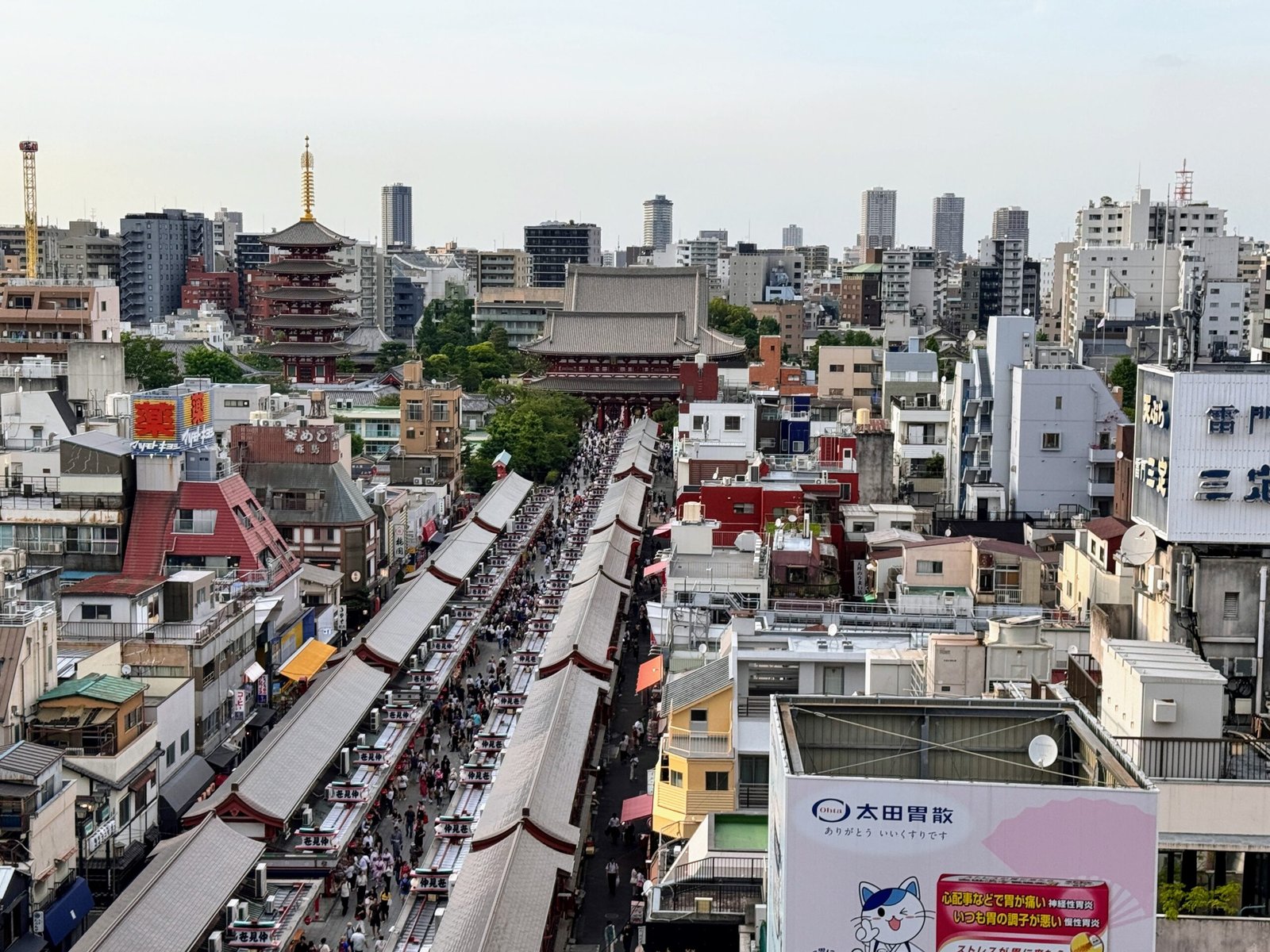
If you can turn the 2026 U.S. Thanksgiving break into a seven-to-nine-day trip, Asia is possible—but choosing the right destination matters more than squeezing in the most countries.
Here is the quick answer: choose Japan for late-autumn scenery and the broadest mix of experiences, South Korea for city energy and colder-weather culture, Taiwan for food and an easier compact route, or Singapore for the simplest warm-weather first trip. For one holiday week, stay in one country.
Affiliate disclosure: Some booking links below are Klook affiliate links. If you book through them, I may earn a small commission at no extra cost to you. The links are included only where advance booking or comparison can make the trip easier.
Which destination fits your Thanksgiving week?
| Destination | Best for | Late-November feel | Good 7–9 day shape | Main planning pressure |
|---|---|---|---|---|
| Japan | First-timers who want variety | Cool to chilly; autumn color in some central areas | Tokyo plus Kyoto or Osaka | Popular foliage areas, trains and headline attractions |
| South Korea | Food, shopping and modern city culture | Cold and moving toward winter | Seoul plus one day trip or Busan | Warm clothing and realistic transfer days |
| Taiwan | Food-focused travelers and shorter routes | Generally comfortable autumn conditions | Taipei plus Jiufen/Shifen and one second base | Weather flexibility and weekend crowds |
| Singapore | Families and travelers who want an easy introduction | Hot, humid and rain possible | One base with neighborhood and attraction days | Timed attractions and accommodation cost |
Choose Japan for the strongest all-round trip
Japan is the easiest recommendation when your group wants a little of everything: neighborhoods, food, temples, shopping, trains, and seasonal scenery. The Japan National Tourism Organization describes November as a time of brisk air, clear skies, and autumn foliage across much of the country, while noting that Kyoto can be particularly busy near the end of the month.
For a first trip, choose Tokyo plus Kyoto or Osaka. Do not add Hiroshima, Mount Fuji, and several rural stops simply because the map makes them look close. Your first and last days already absorb airport and hotel logistics.
Useful advance bookings might include a Tokyo attraction or day tour, a Mount Fuji day trip, or a headline attraction with fixed entry times. Before buying a nationwide rail pass, read my Japan transport guide and price your actual route.
Choose Japan if this may be your only Asia trip for a while and you want the richest mix of experiences. Skip it if your group hates cool weather, hotel changes, or advance planning.
Choose South Korea for food, shopping, and a colder city break
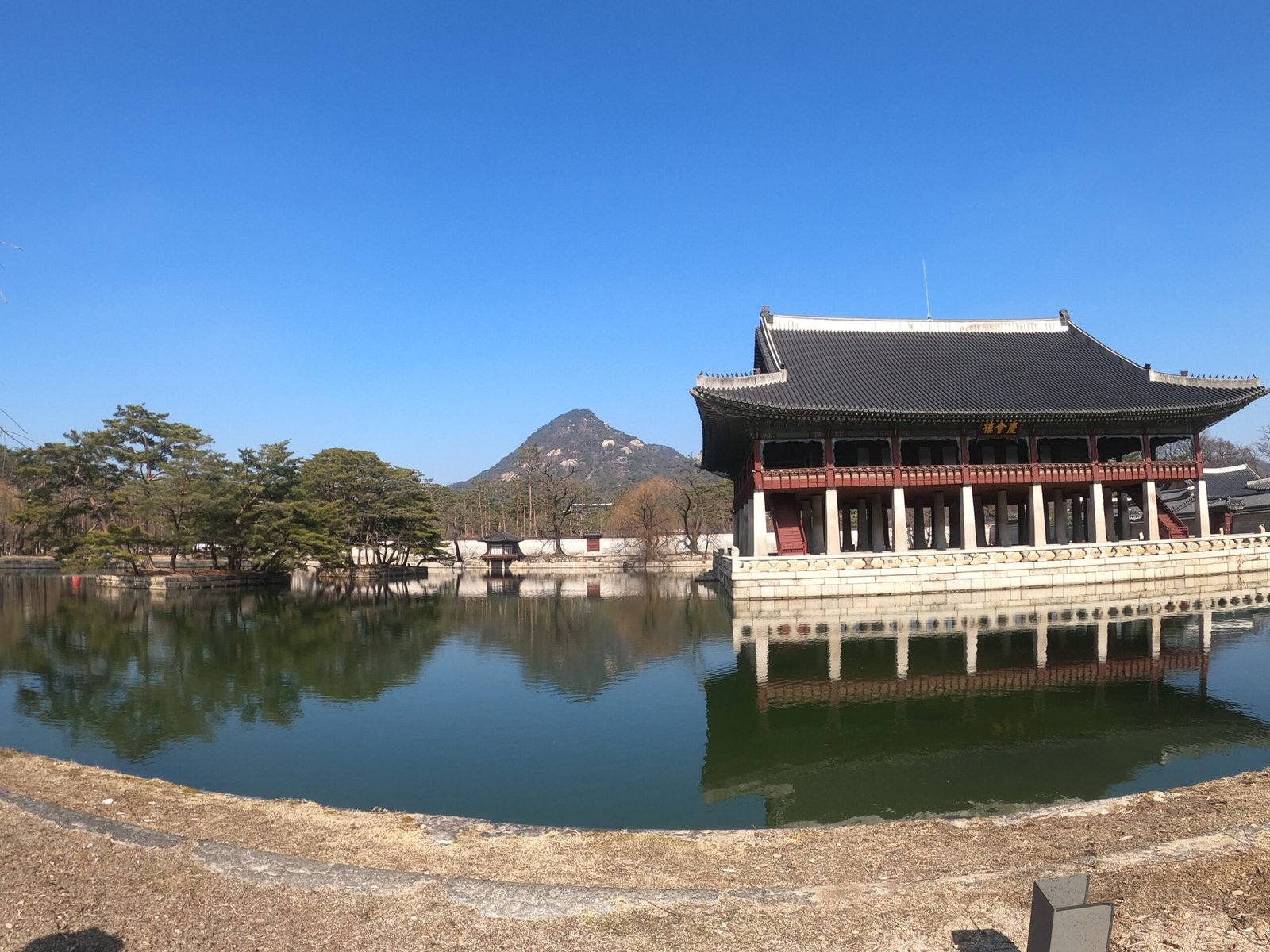
South Korea suits travelers who want cafés, markets, palaces, skincare shopping, and evenings that still feel lively after a day of sightseeing. By late November, the trip feels closer to winter than early autumn, so a warm coat matters more than chasing foliage.
Keep Seoul as your base and add one purposeful day trip. Compare Nami Island and surrounding day tours with a DMZ tour based on your interests rather than trying to fit both into a short stay. My Korea day-tour comparison explains the tradeoffs.
Adding Busan can work in nine days, but it changes the rhythm. If you are unsure, use my Busan or Seoul first guide before booking separate hotels.
Choose Korea if food, shopping, and modern city life matter more than mild weather. Skip it if anyone in your group will be miserable during long cold walks.
Choose Taiwan for food and an easier compact route
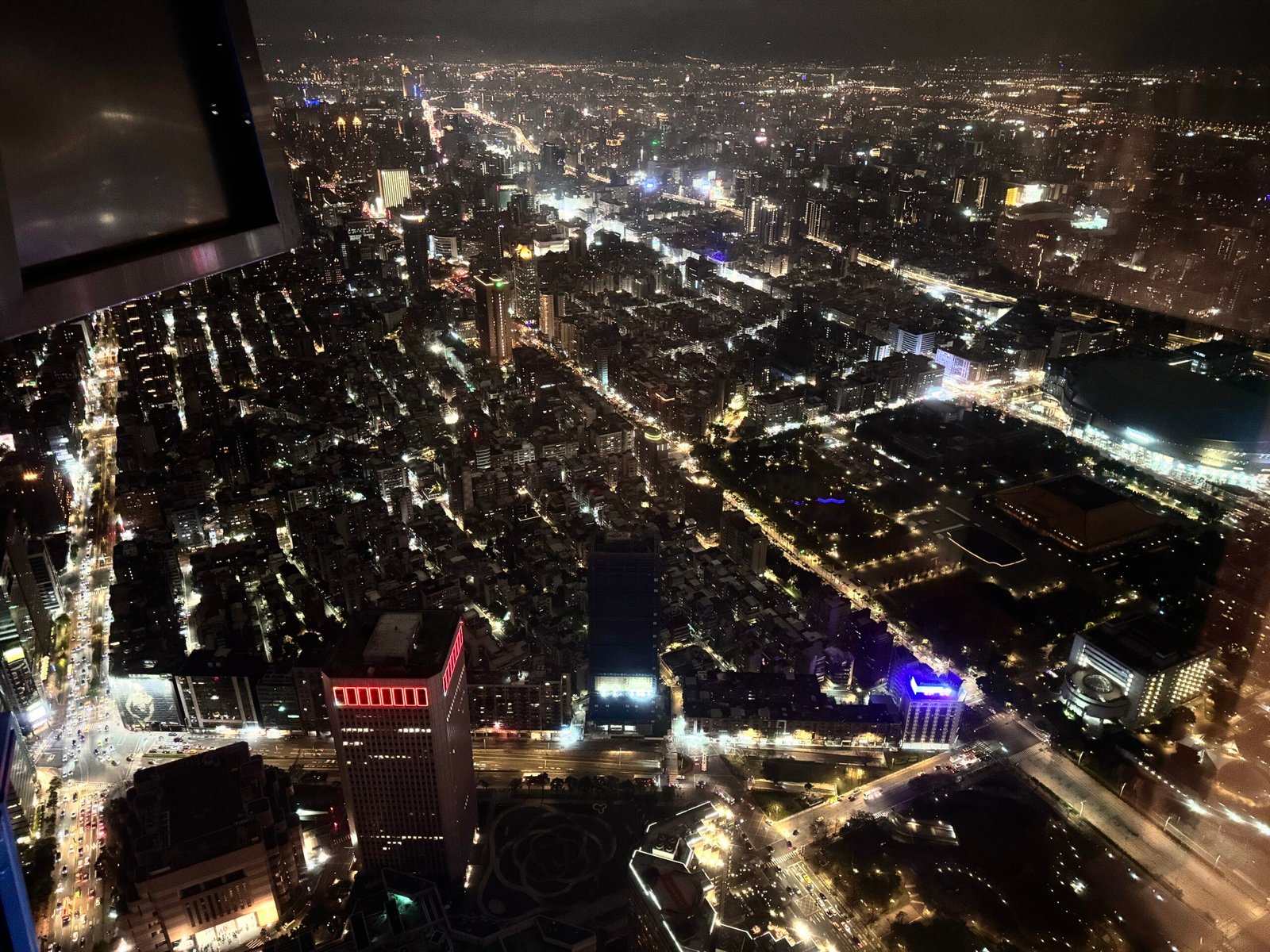
Taiwan gives you a satisfying trip without requiring several long transfers. The official tourism administration describes September through November as cool and comfortable, although forecasts should still guide your day-to-day plans.
Use Taipei as the main base, then add Jiufen, Shifen, a hot-spring day, or a short second stay. A Jiufen and Shifen tour can remove transport decisions on a short trip. For city views, make Taipei 101 Observatory clickable in your plan only after choosing a time that leaves room for weather changes.
Start with my Taiwan first-time guide and use the Taiwan PASS guide if you are considering more rail travel.
Choose Taiwan when food is a major part of the trip and you want less logistical friction. Skip it if your dream trip depends on late-autumn foliage or a long checklist of famous global landmarks.
Choose Singapore for the easiest warm-weather first trip
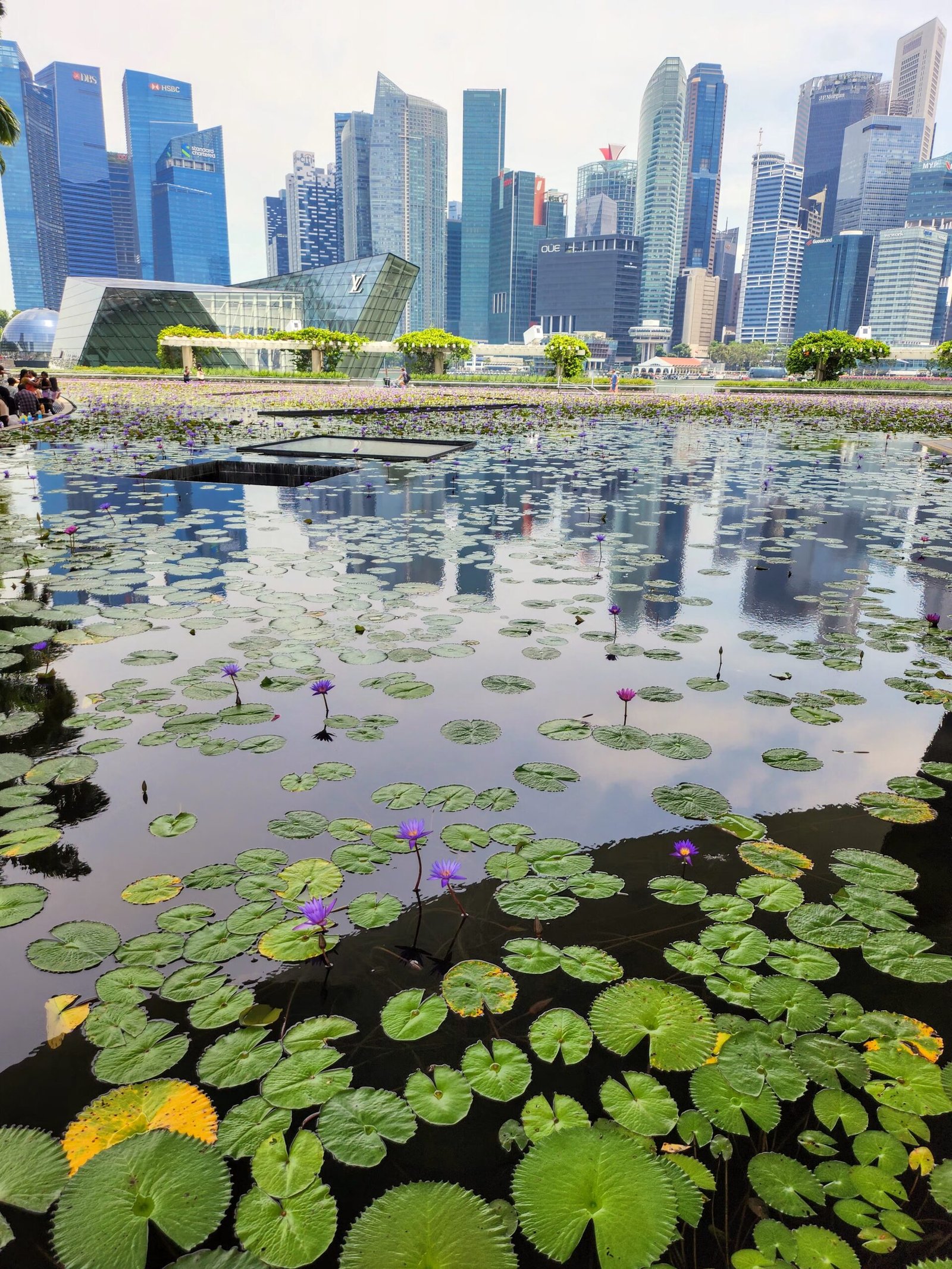
Singapore is the simplest choice for travelers who want one hotel, excellent public transport, English widely used, and a clear mix of food, gardens, museums, and family attractions. The tradeoff is cost: accommodation and headline tickets can add up quickly.
Build the week around neighborhoods rather than treating every famous attraction as an obligation. Combine Marina Bay with Gardens by the Bay, keep a separate heritage-and-food day, and give Universal Studios Singapore its own day if it is a priority.
My Singapore four-day itinerary gives you a practical core. Extend it with slower neighborhood days or a day on Sentosa rather than adding another country just to fill time.
Choose Singapore for families, nervous first-time visitors, or anyone who dislikes frequent transfers. Skip it if cooler autumn weather and changing foliage are central to the dream.
Do not turn one holiday into four countries
Japan, Korea, Taiwan, and Singapore look close when viewed from the United States. On the ground, every international move adds airport time, immigration, luggage handling, and another hotel check-in. A seven-to-nine-day trip is better spent understanding one destination.
If you cannot choose, rank these five questions:
- Do we want warm, cool, or cold weather?
- Are food and neighborhoods more important than major attractions?
- How many hotel changes will our group tolerate?
- Which activities require fixed tickets?
- How much of the budget disappears into long-haul airfare?
My Taiwan vs Japan vs Korea comparison can help with the first three destinations. If you need a simple place to compare the whole trip, download my free Budget Travel Guide. My paperback travel planner is useful if you prefer keeping transport, hotel, itinerary, and packing notes together on paper.
A realistic Thanksgiving-week timeline
Eight to twelve weeks before
- Choose one country and one or two bases.
- Compare flights by total journey time, not price alone.
- Reserve refundable accommodation near useful transport.
Four to eight weeks before
- Book fixed-entry attractions and high-priority day tours.
- Confirm intercity trains or flights if your route requires them.
- Check passport and entry requirements using official government sources.
One to two weeks before
- Check current forecasts and pack for the actual cities.
- Reconfirm opening hours and meeting points.
- Save tickets, hotel addresses, and transport instructions offline.
Frequently asked questions
Is seven days enough for an Asia trip from the United States?
It can be, but only with a focused route. Count your arrival and departure days honestly, choose one country, and avoid unnecessary hotel changes.
Which destination has the best weather during Thanksgiving week?
“Best” depends on preference. Singapore is warm and humid, Taiwan is generally comfortable in autumn, Japan is cool to chilly, and Korea is colder as winter approaches. Check city-level forecasts shortly before departure.
Which is easiest for a first-time Asia traveler?
Singapore is the least complicated for language, transport, and one-base planning. Taiwan is also manageable. Japan offers the broadest variety but usually needs more decisions.
Can I combine Japan and Korea in nine days?
You can, but it usually gives you less useful time in each country. Unless the two-country combination is the main purpose of the trip, one country will feel calmer and more complete.
What should I book first?
Start with flights and well-located refundable accommodation. Next, reserve the one or two fixed attractions or tours that would genuinely disappoint you if they sold out. Leave ordinary meals and flexible neighborhood time open.