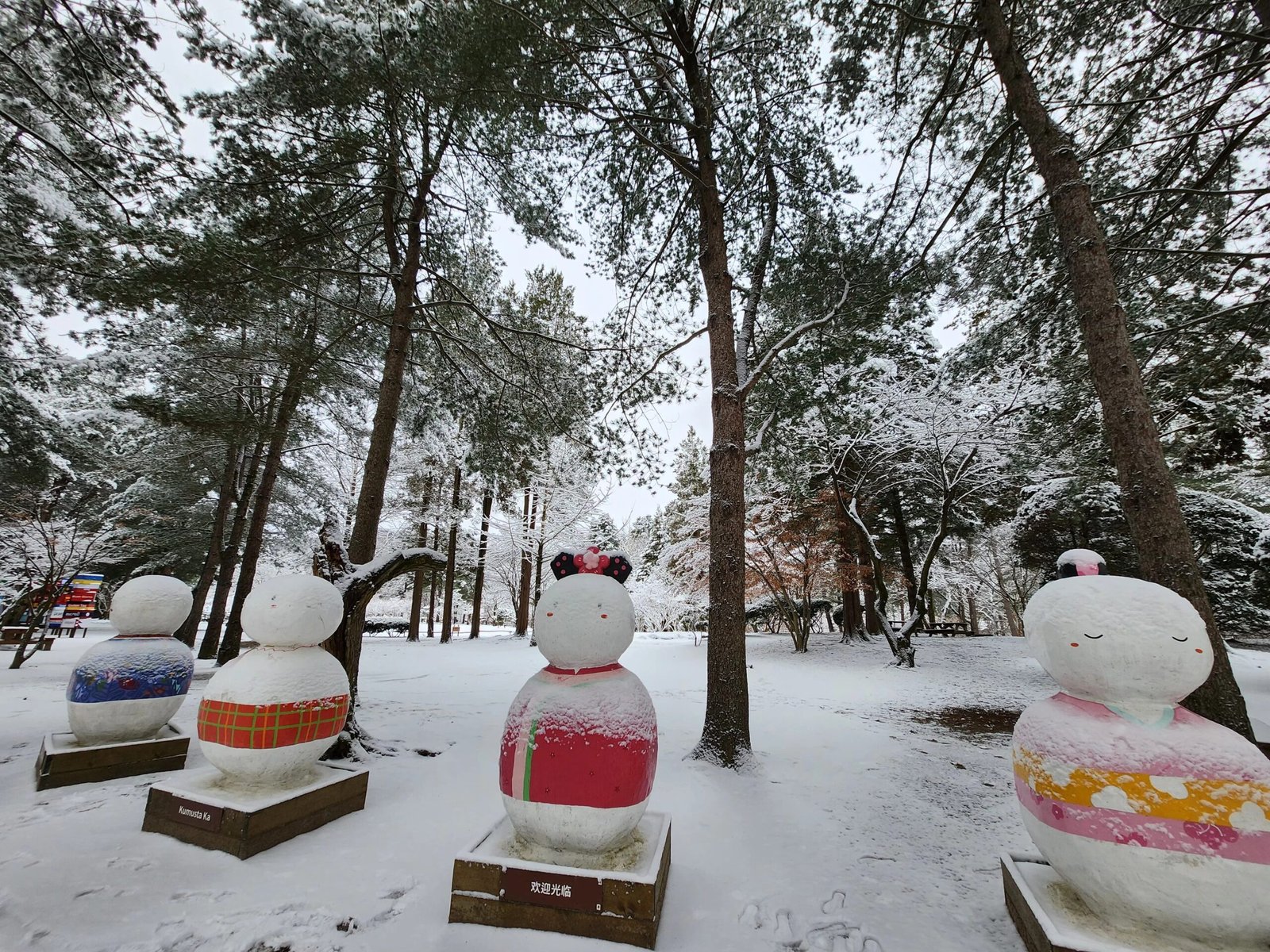
Seoul in Winter 2026: Christmas Lights, Day Trips, and What to Book Early
Seoul in winter works best as a five-day trip with three city days, one carefully chosen day trip, and one flexible day. That gives you time for the Christmas lights without spending every evening outside, and it leaves room to adjust if snow, wind, or a very cold day changes your plans.
The 2026 Seoul Winter Festival is scheduled to run from December 4, 2026, to January 31, 2027 across several central Seoul locations. You can plan your route now, but exact programmes and daily operating times may still change. Book the parts that shape your trip first, then check the official festival calendar again closer to departure.
Affiliate disclosure: Some booking links below are Klook affiliate links. If you book through them, I may earn a small commission at no extra cost to you. I include these links where checking availability or reserving ahead can make the trip easier.
The easiest way to plan five winter days
Here is a practical starting point for a first visit:
| Day | Main plan | Why it works in winter |
|---|---|---|
| 1 | Arrive, settle in, and explore your hotel neighborhood | No pressure to cross the city after a flight |
| 2 | Palace area, Insadong, Gwanghwamun, and Cheonggyecheon | Outdoor stops are broken up by cafés, shops, and museums |
| 3 | One day trip: Nami Island and Garden of Morning Calm, a ski day, or the DMZ | You commit to one long outing instead of stacking several |
| 4 | Myeongdong, N Seoul Tower, and a central evening light route | Easy to shorten if the temperature drops |
| 5 | Lotte World, Seoul Sky, COEX, shopping, or departure | A dependable indoor-heavy backup day |
If you only have four days, keep two city days, one day trip, and one flexible day. With six days, add another neighborhood rather than a second dawn-to-night excursion. My Seoul neighborhood guide can help you choose a base that reduces unnecessary transfers.
What is confirmed for winter 2026?
Seoul has announced an umbrella winter festival, but that does not mean every light show and market timetable is final.
| Confirmed or useful for planning now | Recheck before you go |
|---|---|
| Seoul Winter Festival: December 4, 2026-January 31, 2027 | Exact daily hours and performance times |
| Festival areas include Gwanghwamun Square, Cheonggyecheon, Seoul Plaza, Bosingak, DDP, and the Hangang | Which installations operate on your travel dates |
| December 25 is a public holiday in Korea | Holiday hours for individual attractions and restaurants |
| Winter in Korea is cold and temperatures often fall below zero | Snowfall, wind chill, and real-time weather |
The official Seoul Winter Festival announcement is the best starting point for the season. Seoul's preliminary 2026 schedule also lists Seoul Light DDP for December 10-31, Seoul Light Gwanghwamun for December 11-31, and several Hangang programmes later in December. Treat those as planned dates until the city publishes the detailed event pages.
This matters because a saved social post from a previous Christmas can quietly create a bad itinerary. Use last year's photos for inspiration, not for 2026 operating times.
Build one central Christmas-lights route
Gwanghwamun Square and Cheonggyecheon are natural anchors because they are close enough to combine without a complicated late-night journey. If the confirmed programme suits your dates, start around Gwanghwamun, walk part of Cheonggyecheon, and finish with dinner somewhere warm nearby.
Do not automatically add DDP on the same night. It is possible, but the extra transfer and walking can turn a pretty evening into a cold checklist. Give DDP its own evening if its light programme is important to you, perhaps after Dongdaemun shopping or an indoor afternoon.
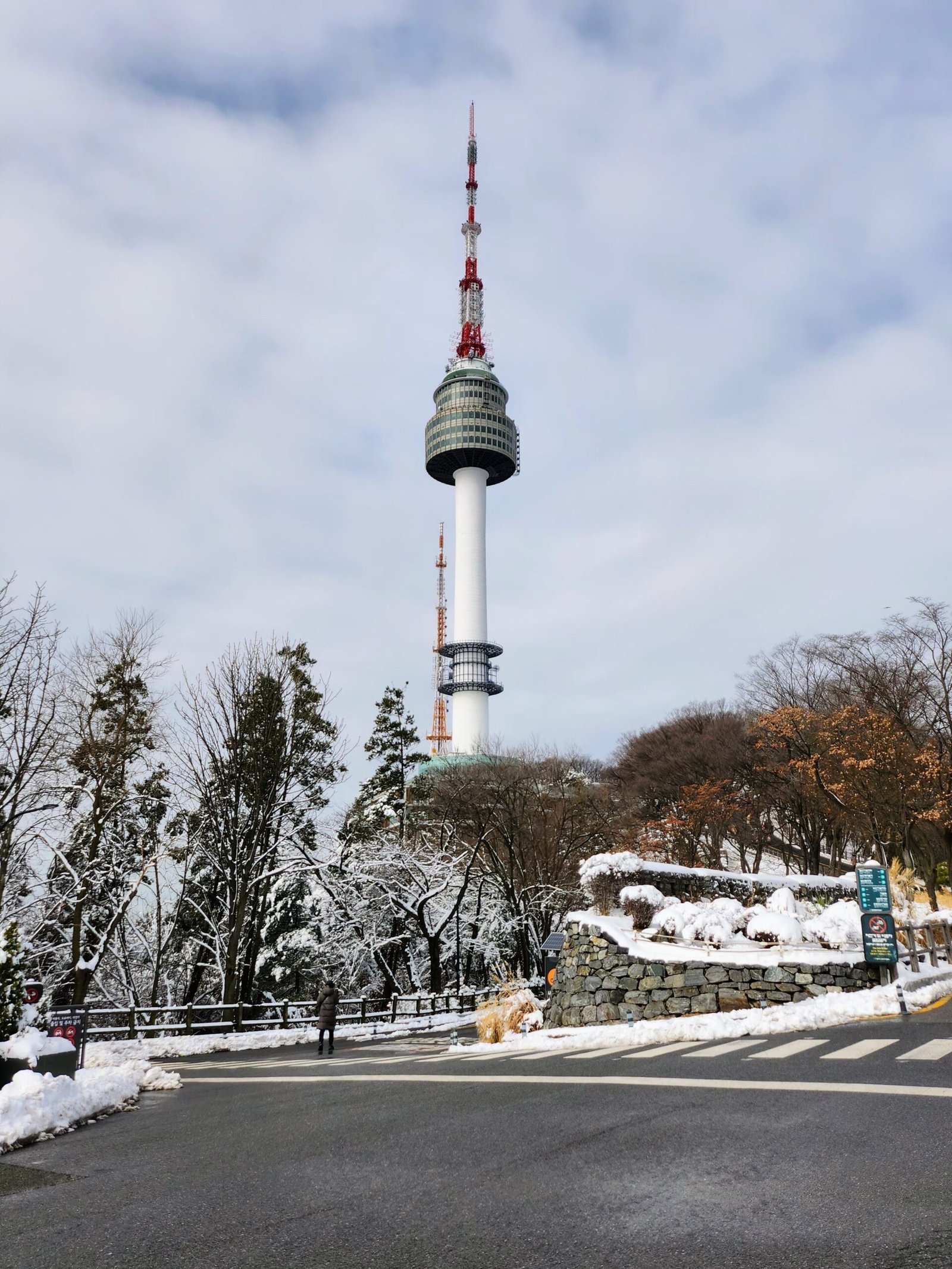
For a city view, N Seoul Tower can fit before a Myeongdong evening. Check visibility before committing, because a fixed observation-deck time is less appealing when cloud or heavy snow hides the skyline.
Choose one day trip for the experience you actually want
Winter tours can look similar in a booking list, but they solve different travel goals. Pick the outcome first.
For scenery and evening lights: Nami Island
A Nami Island and Garden of Morning Calm tour is the easiest fit for travelers who want a scenic winter day and seasonal illumination. Some options return late because the Garden of Morning Calm lights are best after dark, so check the meeting point, final drop-off, and total duration—not just the attraction list.
Snow is a bonus, not a booking guarantee. Nami Island can still be enjoyable without it, but the look of the day will be different from a promotional photo taken after fresh snowfall.
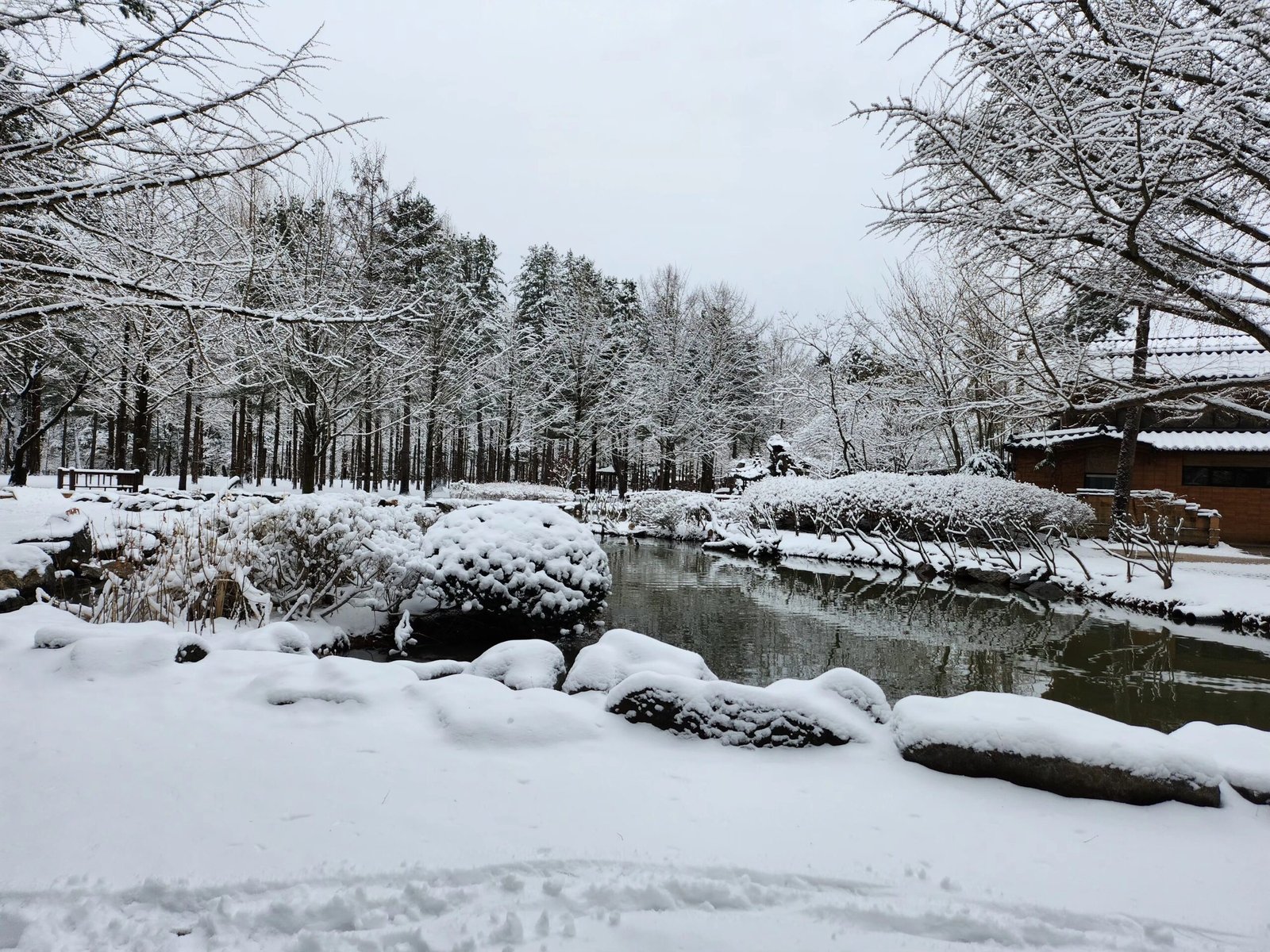
If you specifically want an ice-valley stop and evening illumination, compare the route and current inclusions of an Eobi Ice Valley, Nami Island, and Garden of Morning Calm tour. More stops do not always mean a better day: short visits and long bus hours may be a poor trade if you prefer slow travel.
For an active snow day: choose a ski trip
A ski or snow-play day makes sense when touching snow is a priority, especially for travelers coming from a warm climate. Before paying, check whether the package includes clothing, equipment, lessons, lift access, insurance, and hotel transfers. These details vary widely.
Resort operations depend on weather and snowmaking, so confirm the cancellation or substitution policy. Beginners may enjoy a lesson or snow-play package more than a ticket designed for experienced skiers.
For history: choose the DMZ
The DMZ is not a Christmas or snow excursion. Choose it for the history and context. Tours can require an early departure, passport checks, and operational changes outside the operator's control. Read my DMZ tour guide before deciding whether it fits your group.
If you are still comparing options, my Korea day tours from Seoul guide explains the trade-offs in more detail. There is no need to repeat the same comparison inside this winter itinerary.
Plan warm indoor breaks on purpose
Korea's tourism guidance describes December through February as winter, with average temperatures around 0-1°C and frequent below-zero conditions. The number on a weather app also does not capture how cold a long evening can feel when you are standing still.
A simple rhythm works well: outdoor sight, warm indoor stop, outdoor walk, proper meal. Museums, cafés, markets, department stores, and underground shopping areas are not wasted time; they keep the day comfortable enough to enjoy the evening.
Useful indoor-heavy choices include:
- Lotte World, which has a large indoor section but can still be busy during school breaks and holidays;
- Seoul Sky, best saved for a day with reasonable visibility; and
- COEX and Starfield Library, which are useful when you need an easy shopping, dining, and indoor reset rather than another timed attraction.
Do not prebook every indoor stop. Keep at least one as a same-day backup so the itinerary can respond to the forecast.
What to wear without overpacking
Bring layers you can remove indoors: a warm base layer, mid-layer, insulated outer layer, and comfortable shoes with useful grip. Gloves, a scarf, and something that covers your ears make evening walks much easier. If the forecast shows snow or thawing slush, prioritize water resistance over a fashionable sole.
You do not need a separate outfit for every day. Hotel heating, heated trains, and warm shops can make heavy clothing uncomfortable indoors, so one giant coat over a light shirt is less flexible than several sensible layers.
Check the VISITKOREA seasonal weather guide while packing, then look at a reliable short-range forecast just before departure. Historic averages help with the category of clothing; they cannot tell you whether it will snow on a particular Tuesday.
Book in this order
1. A hotel near the route you will use
For a first trip, easy subway access matters more than chasing the lowest nightly price far from your planned areas. Myeongdong and central Jongno are convenient for light routes and palace days. Hongdae can work well for airport access and evening energy. Jamsil makes more sense when Lotte World is a major priority.
2. The day that shapes the itinerary
Reserve your Nami tour, ski day, DMZ tour, or theme-park day once your travel dates are firm. Book only one long excursion first. If you reserve two, place a lighter city day between them.
3. A high-priority timed attraction
If a tower view, theme park, or special activity would disappoint you if sold out, secure that next. A Discover Seoul Pass is worth checking only after you list the included places you would genuinely visit. A pass is not a saving if it makes you rush through attractions you did not want.
4. Airport transport and connectivity
The AREX all-stop train can be paid locally, while the express train may suit travelers who value a reserved, direct ride to Seoul Station. Compare your arrival time and hotel location before buying an AREX Incheon Airport Express ticket.
An eSIM for South Korea can remove an airport errand, but check phone compatibility, activation instructions, data allowance, and validity before purchase.
A realistic winter booking timeline
| When | What to do |
|---|---|
| 8-12 weeks before | Book flights and a refundable hotel; choose one major day trip |
| 4-8 weeks before | Reserve priority attractions and check holiday closures |
| 2-4 weeks before | Review the official festival programme and organize evenings by area |
| 3-7 days before | Check the short-range forecast, tour messages, and attraction hours |
| Each morning | Reconfirm weather, walking conditions, and the night's event schedule |
If you are comparing hotel, activity, and daily-budget options, download my free Budget Travel Guide. If you prefer planning on paper, my paperback travel planner on Amazon has space for transport, accommodation, daily plans, packing, and notes.
For a fuller spending estimate, use my Korea travel budget breakdown and replace sample prices with the actual winter rates for your dates.
Final thoughts
A good Seoul winter trip is not the one with the most lights, tours, or attractions. It is the one that keeps you warm enough to enjoy them.
Start with a central hotel, one major day trip, and one flexible indoor-heavy day. Group the Christmas displays by area, check the 2026 programme again before departure, and leave snow-dependent plans flexible. That gives you a festive trip without asking every day to behave exactly like the itinerary.
Frequently asked questions
Is Seoul worth visiting in December 2026?
Yes, if you enjoy city lights, winter atmosphere, shopping, cafés, and cold-weather travel. December is a poor fit if you dislike below-zero temperatures or expect guaranteed snow every day.
Will it snow in Seoul at Christmas?
It may, but snow on your exact dates is never guaranteed. Plan for cold conditions and treat fresh snow as a bonus rather than the reason the whole itinerary works.
How many days do I need in Seoul in winter?
Five days is comfortable for three city days, one day trip, and one flexible day. Four days can work if you choose one excursion and keep your neighborhoods grouped.
Which winter day trip from Seoul is best for first-time visitors?
Choose Nami Island and Garden of Morning Calm for scenery and evening lights, a ski tour for snow activity, or the DMZ for history. The best choice depends on the experience you want, not the number of stops in the package.
What should I book early for Seoul in December?
Book your hotel and the one tour or attraction that shapes your itinerary first. Add timed attractions next, then transport or connectivity products that genuinely make arrival easier. Recheck festival schedules closer to the trip because exact programmes can change.