
Planning a South Korea travel budget for first-time visitors takes more than guessing daily costs. Prices shift based on the city, season, and how you move around. South Korea draws many new travelers, and early budgeting sets the tone for a smooth trip.
From my own experience traveling across Seoul, Busan, and Jeju, preparation made the biggest difference. Before arriving, I reviewed attraction prices, transport passes, and day tours using Klook. Booking activities and transfers ahead helped lock in rates, avoid peak pricing, and shape a realistic 7-day Korea travel budget without overspending.
Klook.comKey Takeaways
- Understanding the costs associated with traveling in South Korea is vital for first-time visitors.
- A 7-day cost breakdown can help travelers plan their trip more effectively.
- Costs can vary significantly depending on the city and personal travel style.
- Having a realistic budget can reduce stress and enhance the overall travel experience.
- South Korea offers a unique blend of culture, food, and landscapes that cater to various travel budgets.
My Recent Travel Experience in South Korea
My trip to South Korea was a real eye-opener. It taught me a lot about budgeting for travel in this amazing country. Walking through Seoul and other cities, I learned how to manage my money well.
My Itinerary and Travel Style
I planned my trip with a mix of set plans and flexibility. This let me see both famous spots and secret places.
Cities I Visited and Duration
I was in South Korea for 7 days. I spent 3 days in Seoul, 2 in Busan, and 2 in Jeju.
My Personal Travel Preferences
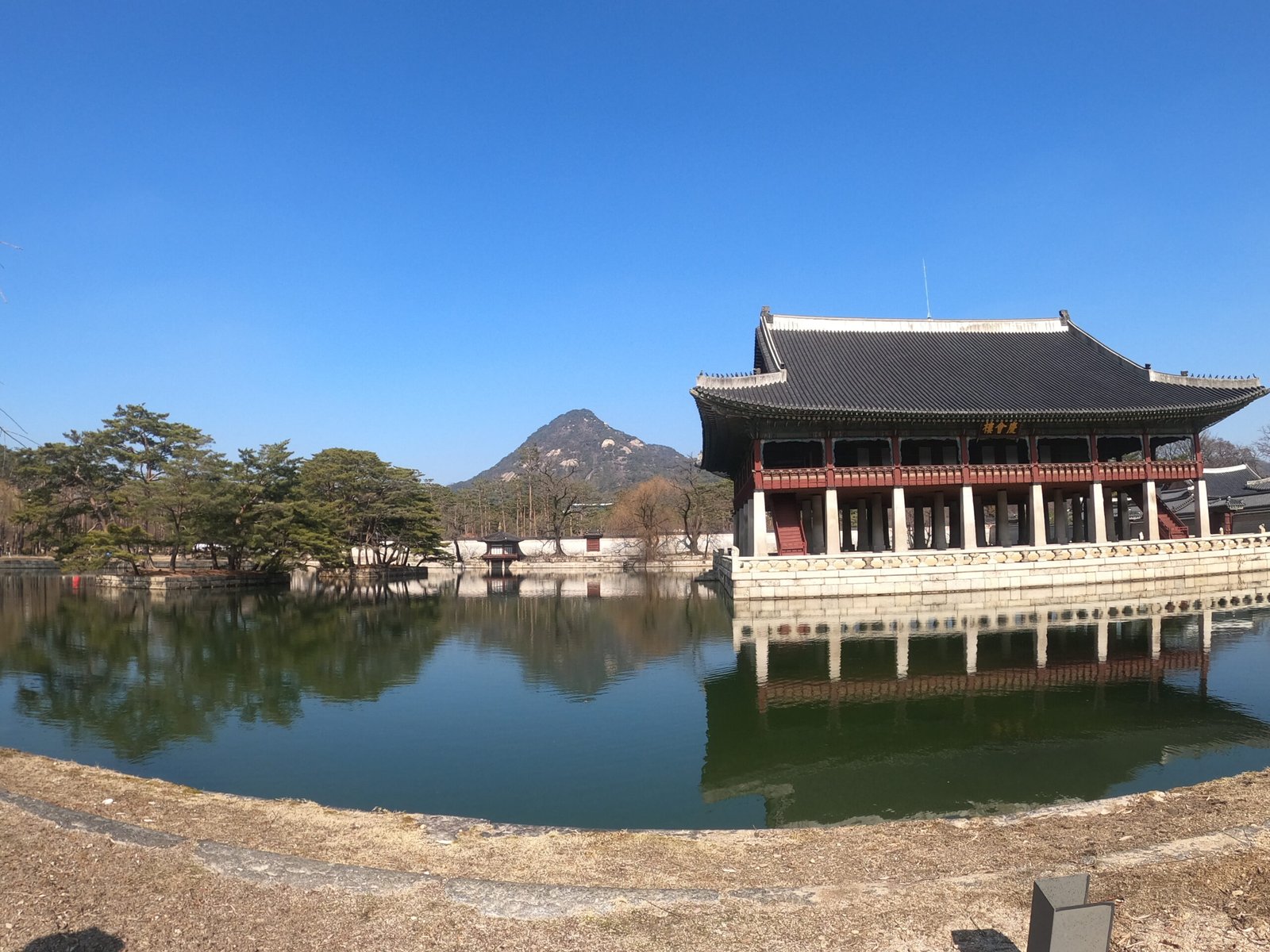
I like to mix cultural sights with modern fun. I loved visiting places like Gyeongbokgung Palace in Seoul and trying street food.
How I Tracked My Expenses
To stay within budget, I used apps and old-school methods.
Apps and Methods Used
I used apps like Trail Wallet to track my spending and Naver Maps to find my way. I also kept all my receipts to watch my spending closely.
Unexpected Costs I Encountered
Some costs surprised me, like extra fees for attractions and higher prices for tourist services.
| City | Average Daily Expenses | Notable Expenses |
|---|---|---|
| Seoul | $80 | Meals at local restaurants, subway fares |
| Busan | $70 | Beach activities, seafood meals |
| Jeju | $90 | Tourist attractions, specialty coffee shops |
Complete Korea Travel Budget for a 7-Day Trip
A 7-day trip to Korea can be budgeted in various ways. Your travel style can be budget-conscious, mid-range, or luxury. Knowing the costs helps make your vacation stress-free.
Budget Range Breakdown
The cost of travel in Korea varies based on your preferences. Here’s a breakdown of what you can expect to spend.
For attractions, intercity transport, and guided experiences, prices dropped when booked ahead. I used Klook to compare costs and secure discounts across Seoul, Busan, and Jeju before arrival.
Klook.comBudget Traveler: $700-1000
For budget-conscious travelers, Korea is affordable. You can spend around $700-1000 for a 7-day trip. This covers accommodation, food, transportation, and activities.
Mid-Range Traveler: $1000-1800
Mid-range travelers spend $1000-1800 for a 7-day trip. This budget offers more comfort in accommodation and dining. It also allows for more activities.
Luxury Traveler: $1800+
Luxury travelers find Korea high-end with top-notch amenities. Expect to spend $1800 or more for a 7-day trip. You’ll enjoy premium accommodations, fine dining, and exclusive experiences.
Seasonal Price Fluctuations
Korea’s travel costs change with the seasons. Peak seasons, like spring and autumn, have higher prices. Traveling in the off-season can save you money.
Currency Exchange and Payment Tips
Understanding currency exchange and payment methods can save you money. Use ATMs or currency exchange services with low fees. Credit cards are widely accepted in Korea, but having local currency for initial expenses is wise.
| Traveler Type | Budget Range | Accommodation | Food | Transportation |
|---|---|---|---|---|
| Budget | $700-1000 | Hostels/Guesthouses | Street Food | Public Transport |
| Mid-Range | $1000-1800 | Hotels/Airbnbs | Restaurant Dining | Public Transport/Taxis |
| Luxury | $1800+ | High-End Hotels | Fine Dining | Private Transfers |
Accommodation Costs in Korea
Accommodation costs in Korea can vary a lot. This depends on the type of stay and where you are. It’s important for travelers to know this to plan their budget well.
Budget Options: Hostels and Guesthouses
Korea has many affordable places to stay, like hostels and guesthouses. These places offer basic needs at a lower price. They are great for those who want to save money on where they stay.
Price Ranges and What to Expect
Hostels and guesthouses in Korea cost between $10 and $30 per night. You can expect simple, clean rooms and shared facilities. Hongdae in Seoul and Busan’s beachfront areas are good places to find these.
Best Areas for Budget Stays
Hongdae in Seoul is known for its lively youth culture. Gwangalli Beach in Busan has beautiful views and a fun vibe. Both places are close to public transport and attractions.
Mid-Range: Hotels and Airbnbs
Mid-range places, like hotels and Airbnbs, offer a good mix of price and comfort. They cost between $50 and $100 per night. You get private bathrooms and sometimes breakfast.
Luxury Stays: High-End Hotels
Korea’s luxury hotels provide a top experience with great amenities and service. Prices are $200 to over $500 per night. They are often in prime spots, like Seoul’s Gangnam district.
City Comparison: Seoul vs. Busan vs. Jeju
Accommodation prices differ in Korea’s cities. Seoul is the priciest, followed by Jeju with its fancy resorts. Busan has more affordable choices, especially for those on a tight budget. Think about your travel plans when budgeting for where you’ll stay.
To keep accommodation costs predictable, I also checked discounted hotel listings in advance using Klook, especially for cities outside Seoul where deals change fast.
Klook.comFood and Dining Expenses
Traveling in Korea is a treat for food lovers. You’ll find many dining options for all budgets. From street food to fancy restaurants, prices are often low.
Street Food and Budget Meals
Street food is a big deal in Korea. It’s tasty and cheap. Street stalls and markets serve authentic Korean dishes at budget prices.
Must-Try Affordable Korean Dishes
- Tteokbokki: Spicy rice cakes loved by locals and tourists.
- Kimbap: Korean sushi rolls great for eating on the go.
- Hotteok: Sweet pancakes perfect for winter.
Where I Found the Best Deals
Myeong-dong in Seoul and Gukje Market in Busan are great for street food. They offer many options at low prices. Be adventurous and try new things!
Restaurant Dining Costs
Restaurant prices in Korea vary. Mid-range places offer great value. They serve traditional Korean meals at good prices.
Specialty and Luxury Dining
Korea also has fancy dining spots, including Michelin-starred places. These offer unique culinary experiences with innovative Korean dishes.
Grocery Shopping for Self-Catering
For self-catering stays, grocery shopping is smart. Korea has many stores with various ingredients. It’s a way to save on food costs.
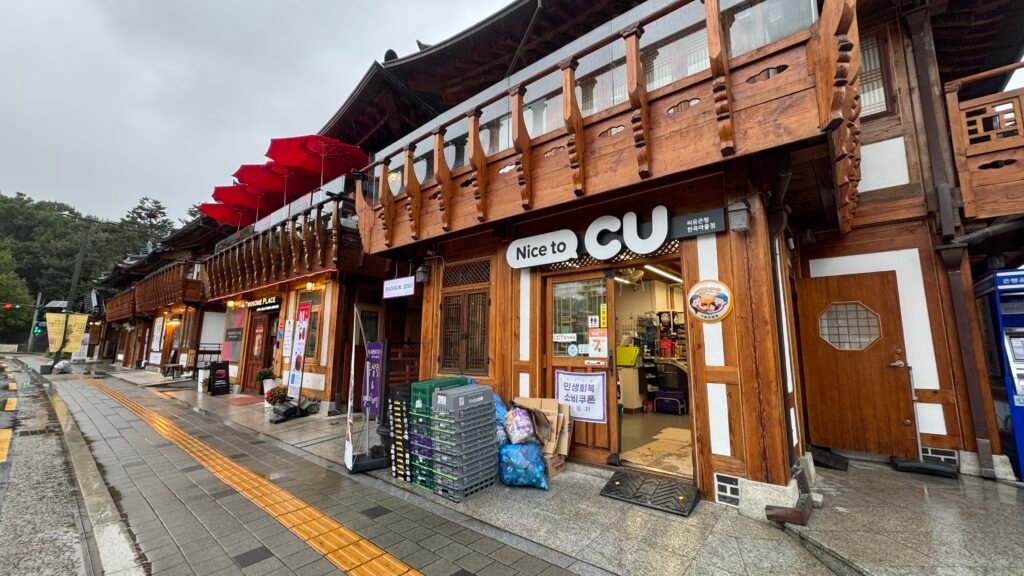
In summary, Korea has food options for every budget. Whether you prefer street food or fancy dining, there’s something for you.
Transportation Costs in Korea
Traveling to Korea can be costly, especially when it comes to getting around. Knowing your options and their prices is key to planning your trip well.
Getting to Korea: Flight Cost Factors
Flights to Korea change in price based on when you go, where you’re from, and how early you book. Prices go up during busy times like summer and holidays. Booking 2-3 months ahead can get you a better deal.
Public Transportation in Cities
Korea’s cities are easy to get around with public transport. The subway is fast and easy to use.
T-Money Card and Subway Costs
A T-Money card makes paying for transport easy. You can buy it at subway stations and use it on buses and trains. A single subway ride costs about 1,250 KRW, or $1 USD.
Bus System Navigation
Korea’s bus system is vast, with local, express, and night buses. While the subway is better, buses are good for shorter trips or areas the subway doesn’t reach.
Intercity Travel Options
Korea has many ways to travel between cities, like high-speed trains (KTX), express buses, and domestic flights.
KTX vs. Express Buses
The KTX is fast and comfy, reaching speeds of 330 km/h. But express buses are cheaper and still fast. To manage transport costs between cities, I pre-booked trains, buses, and Jeju flights using Klook. Seeing prices upfront made it easier to choose between speed and savings.
| Mode of Transport | Seoul to Busan | Seoul to Jeju |
|---|---|---|
| KTX | around $50-$60 USD | N/A |
| Express Bus | around $20-$30 USD | around $30-$40 USD (ferry or flight) |
| Domestic Flight | N/A | around $50-$70 USD |
Domestic Flights to Jeju
Domestic flights to Jeju Island are quick, taking under an hour.
Taxis and Ride-Sharing Services
Taxis are easy to find in Korea, and services like KakaoTaxi are popular. But they cost more than public transport.
Sightseeing and Activity Expenses
Traveling through Korea, I found that sightseeing costs vary. This depends on what you like and how you travel. Korea has many experiences for all budgets, from history to modern fun. Most entrance fees and tours were cheaper when booked online. I reserved palace passes, DMZ tours, and theme park tickets through Klook to avoid onsite markups and long queues.
Major Attractions and Entrance Fees
Korea has many famous spots, each with its own price tag. Knowing these costs helps plan your trip better.
Palaces and Museums
Exploring Korea’s palaces and museums is key for history buffs. For example, Gyeongbokgung Palace in Seoul costs about 3,000 KRW (around $2.50 USD) per person. Many museums offer free or cheaper entry on certain days.
Theme Parks and Entertainment
For modern fun, theme parks like Lotte World and Everland are great. A one-day pass costs between 50,000 to 60,000 KRW (around $40-$50 USD) per person. Some parks have special deals or seasonal passes for better value.
Cultural Experiences and Classes
Immerse yourself in Korean culture with experiences or classes. Activities like tea ceremonies, cooking, or K-pop dance cost between 20,000 to 100,000 KRW (about $15-$80 USD) per person. Prices vary by activity and length.
Day Trips from Seoul
Seoul is a great base for exploring nearby. Day trips to places like Nami Island, Paju, or the DMZ vary in price. A DMZ tour, for example, costs about 50,000 to 70,000 KRW (around $45-$60USD) per person, including transport and entry fees.
Free and Low-Cost Activities I Enjoyed
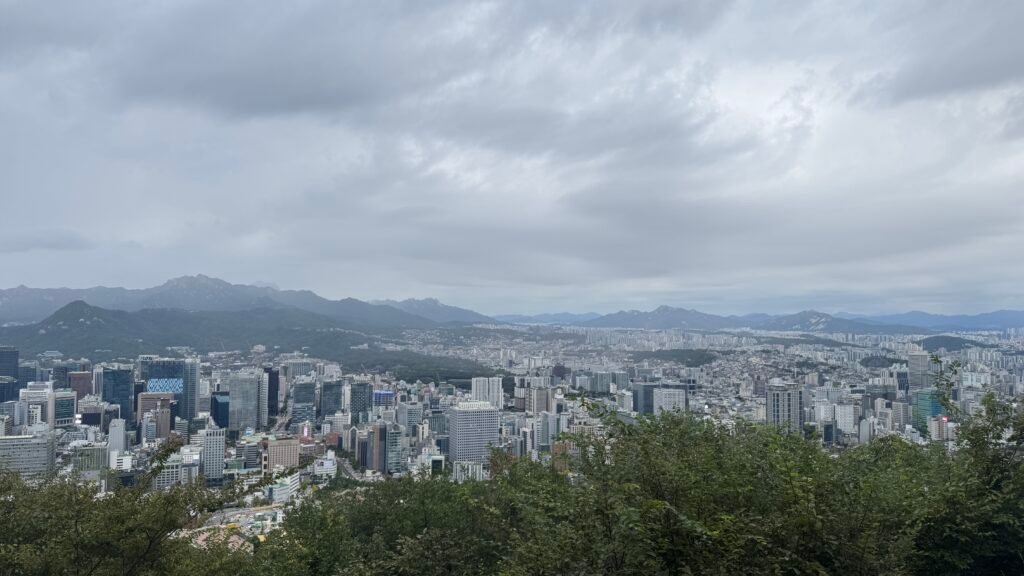
Korea also has many free or cheap activities. Visit Bukchon Hanok Village, explore Myeong-dong, or watch the sunset at Seoul Tower. These are just a few budget-friendly options.
| Attraction | Location | Approximate Cost (USD) |
|---|---|---|
| Gyeongbokgung Palace | Seoul | $2.50 |
| Lotte World | Seoul | $40-$50 |
| DMZ Tour | Near Seoul | $30-$45 |
Shopping and Souvenir Costs
Korea is a shopper’s dream, with many places to explore. You can find everything from trendy clothes to traditional crafts. Let’s look at the costs of shopping and souvenirs in Korea.
Popular Shopping Districts and Markets
Korea has many shopping spots, each with its own vibe. Some top places include:
- Myeong-dong in Seoul, known for its fashion and cosmetics
- Namyangju Market, famous for its traditional Korean goods
- Busan’s Seomyeon Market, a hub for local shopping
These spots have everything from affordable street wear to luxury items.
Korean Beauty Products and Fashion
Korean beauty and fashion are big hits with tourists. You can find:
- Skin care products with new ingredients
- Fashionable clothes with cool designs
- Accessories like hats, bags, and jewelry
Brands like Innisfree and Etude House are very popular.
Traditional Crafts and Souvenirs
For traditional Korean souvenirs, there are many choices:
- Handmade crafts like pottery and woodwork
- Traditional clothing and accessories
- Local snacks and teas
Price Ranges for Common Souvenirs
Here are some price ranges for common souvenirs:
| Souvenir | Price Range (USD) |
|---|---|
| Traditional Korean mask | $10-$30 |
| Handmade pottery | $20-$50 |
| Korean snacks | $5-$15 |
Tax Refund Process
Korea has a tax refund for tourists. You need to spend over KRW 30,000 at one store and get your receipts stamped. Then, you can get your refund at the airport before leaving.
How Korea’s Travel Costs Compare to Other Asian Countries
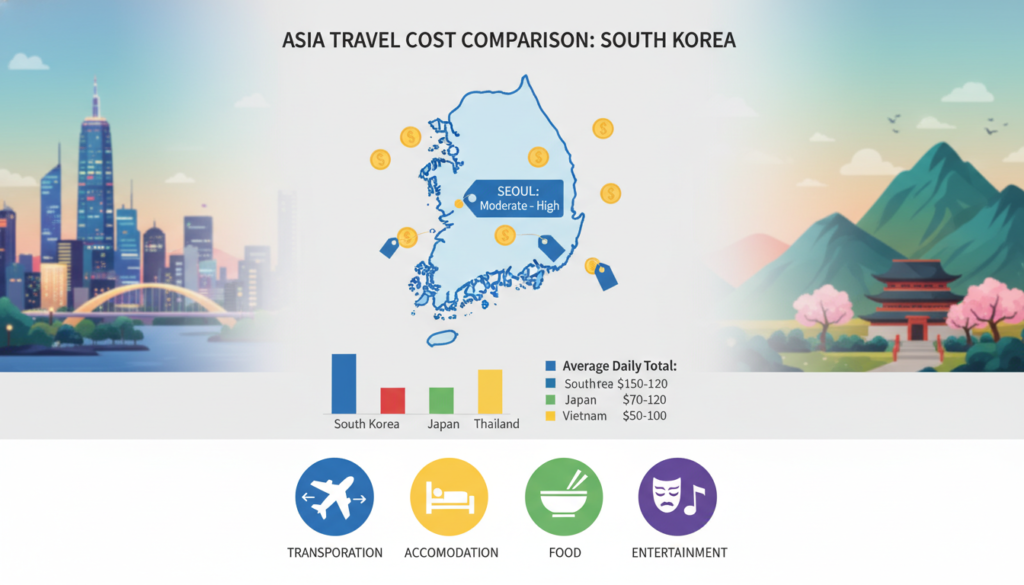
Planning a trip to South Korea? It’s key to know how travel costs compare to other Asian countries. This info helps you plan your trip and stick to your budget.
Korea vs. Japan: Price Comparison
South Korea and Japan are top spots in East Asia, known for their culture and tech. But, their travel costs vary a lot.
Accommodation Differences
Accommodation in South Korea is a bit cheaper than in Japan. This is true for places like hostels and guesthouses.
Food and Transportation Comparison
Both countries have affordable food. But, Japan is pricier for eating out. Transportation costs are about the same, with good public transport in both.
Activity Cost Differences
Attraction fees in South Korea are often lower. This makes it a better choice for budget travelers.
Korea vs. Southeast Asian Countries
Compared to places like Thailand or Vietnam, South Korea is pricier. But, the difference isn’t huge. Korea’s unique culture and attractions make it worth it.
Value for Money Analysis
Even though it’s pricier than some Southeast Asian countries, South Korea is great value. It has top-notch infrastructure, efficient transport, and rich culture. You can enjoy history, modern fun, and more, making Korea a top pick.
Money-Saving Tips for Korea Travel Budget
Exploring Korea, I found ways to save money without missing out on fun. Korea is full of culture, tasty food, and lively cities. It’s possible to enjoy this beautiful country without spending a lot. My trip was about seeing sights and learning to stretch my travel budget.
Using Discount Passes and Cards
Discount passes and cards are key to saving in Korea. The Korea Tour Card is a top choice. It gives discounts on transport, attractions, and shopping.
Korea Tour Card Benefits
The Korea Tour Card offers discounts and convenience. It works on many transport options and at tourist spots. It makes travel easier and cheaper.
Attraction Combination Tickets
Buying combination tickets is another smart move. They let you visit several places for less than buying single tickets. It’s a way to see more and spend less.
Saving with Klook
Advance bookings played a major role in keeping my Korea travel budget under control. I used Klook for attraction tickets, tours, airport transfers, and intercity travel. Booking early meant fewer surprises and better pricing across busy tourist areas.
Best Deals I Found on Klook
I found amazing deals on Klook, like cheap attraction tickets and unique experiences. These deals were a big help.
Klook.comAdvance Booking Strategies
Booking early can save you money. Many places offer discounts for early bookings. It’s smart to plan ahead.
Timing Your Visit for Better Deals
When you visit can affect your costs. Going during off-peak times or special deals can save you a lot.
Local Hacks I Discovered
Using local tips, like eating street food or visiting markets, saves money. Korea offers many chances to do this.
If you want to control your Korea travel budget from day one, book attractions, transport, and tours early through Klook. It simplifies planning and helps avoid inflated onsite prices.
Conclusion: Is Korea Worth the Cost?
Reflecting on my recent trip to South Korea, I find it offers great value. My Korea travel budget was well-planned, and I stayed within it. I enjoyed everything the country has to offer.
The cost of travel in Korea changes based on the season, where you stay, and how much you spend. But with some planning, you can have a great trip without spending too much. Korea has something for everyone, from Seoul’s busy streets to Jeju’s stunning views.
In short, Korea is a great choice for your next trip. It has a rich culture, tasty food, and welcoming people. By watching your Korea travel budget and making smart choices, you can explore Korea without overspending.
FAQ
What is the average daily cost for a trip to South Korea?
How much should I budget for a 7-day trip to Seoul?
What is the average daily cost for a trip to South Korea?
How much should I budget for a 7-day trip to Seoul?
FAQ
What is the average daily cost for a trip to South Korea?
A trip to South Korea can cost between and 0 daily. This depends on how you travel and what you like to do.
How much should I budget for a 7-day trip to Seoul?
Budgeting for a 7-day Seoul trip is about 0 to
FAQ
What is the average daily cost for a trip to South Korea?
A trip to South Korea can cost between $80 and $200 daily. This depends on how you travel and what you like to do.
How much should I budget for a 7-day trip to Seoul?
Budgeting for a 7-day Seoul trip is about $700 to $1,800. This varies based on where you stay and what you do.
What are the most expensive aspects of traveling in Korea?
The priciest parts of Korea travel are accommodations, fancy dining, and luxury shopping.
Are there any affordable accommodation options in Seoul?
Yes, Seoul has many cheap places to stay. You can find hostels, guesthouses, and budget hotels for under $15 a night.
How can I save money on transportation in Korea?
To save on transport, use the T-Money card for discounts. Also, travel when it’s less busy.
What are some free or low-cost activities to do in Korea?
Enjoy free or cheap activities like visiting Bukchon Hanok Village, exploring Namsan Park, and trying street food at night markets.
Can I use credit cards in Korea?
Yes, credit cards are widely accepted in Korea, especially in big cities like Seoul and Busan.
How do I exchange currency for Korean won?
Exchange currency at airports, banks, or currency offices. Or withdraw cash from ATMs with your card.
What is the best time to visit Korea in terms of cost?
The best time to visit Korea for cost is during the shoulder season. This is April-May or September-October, when prices are lower and the weather is nice.
Are there any travel passes or cards that can help me save money in Korea?
Yes, the Korea Tour Card offers discounts on attractions, transport, and shopping. It can help you save money on your trip.
,800. This varies based on where you stay and what you do.
What are the most expensive aspects of traveling in Korea?
The priciest parts of Korea travel are accommodations, fancy dining, and luxury shopping.
Are there any affordable accommodation options in Seoul?
Yes, Seoul has many cheap places to stay. You can find hostels, guesthouses, and budget hotels for under a night.
How can I save money on transportation in Korea?
To save on transport, use the T-Money card for discounts. Also, travel when it’s less busy.
What are some free or low-cost activities to do in Korea?
Enjoy free or cheap activities like visiting Bukchon Hanok Village, exploring Namsan Park, and trying street food at night markets.
Can I use credit cards in Korea?
Yes, credit cards are widely accepted in Korea, especially in big cities like Seoul and Busan.
How do I exchange currency for Korean won?
Exchange currency at airports, banks, or currency offices. Or withdraw cash from ATMs with your card.
What is the best time to visit Korea in terms of cost?
The best time to visit Korea for cost is during the shoulder season. This is April-May or September-October, when prices are lower and the weather is nice.
Are there any travel passes or cards that can help me save money in Korea?
Yes, the Korea Tour Card offers discounts on attractions, transport, and shopping. It can help you save money on your trip.