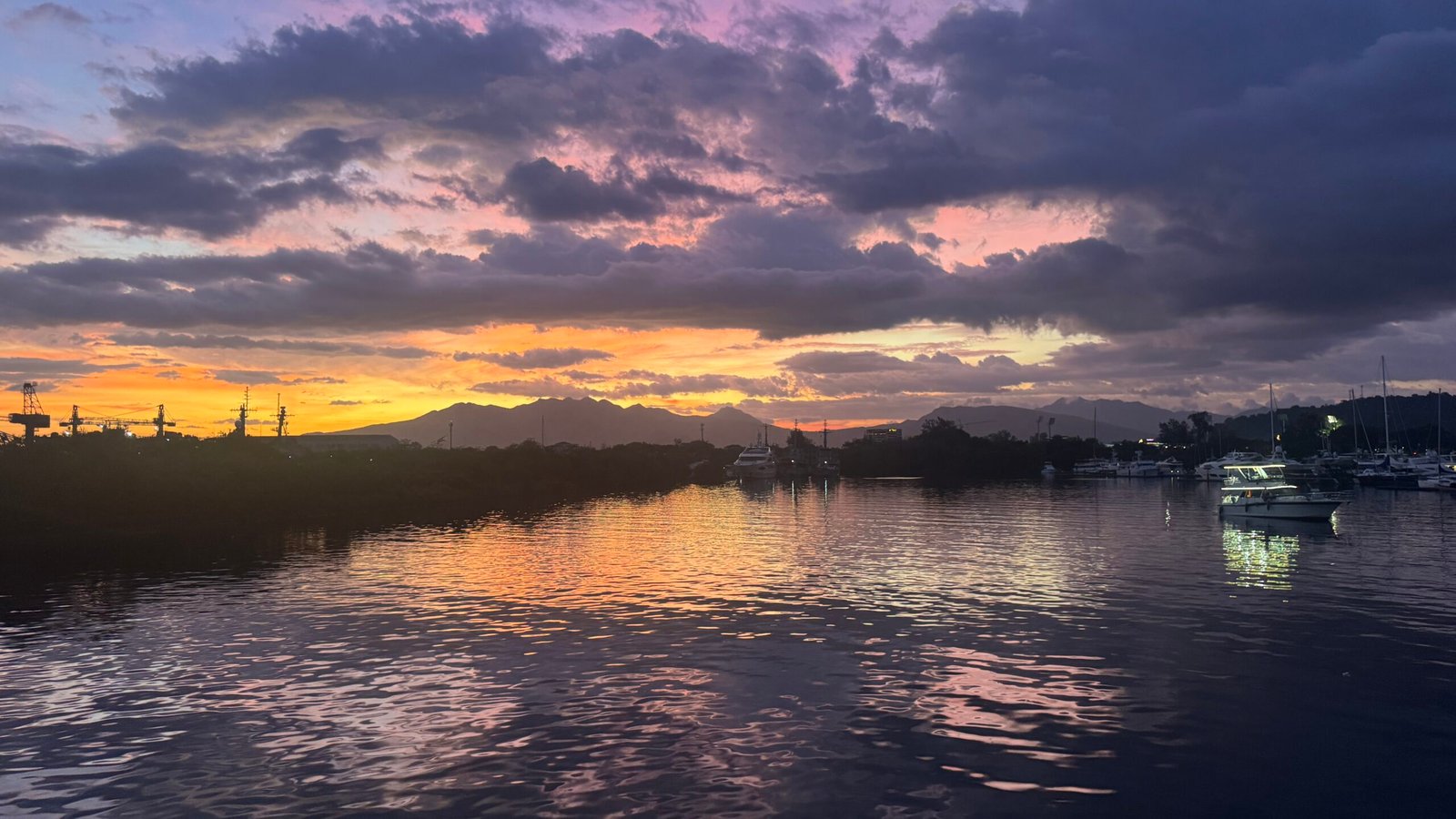

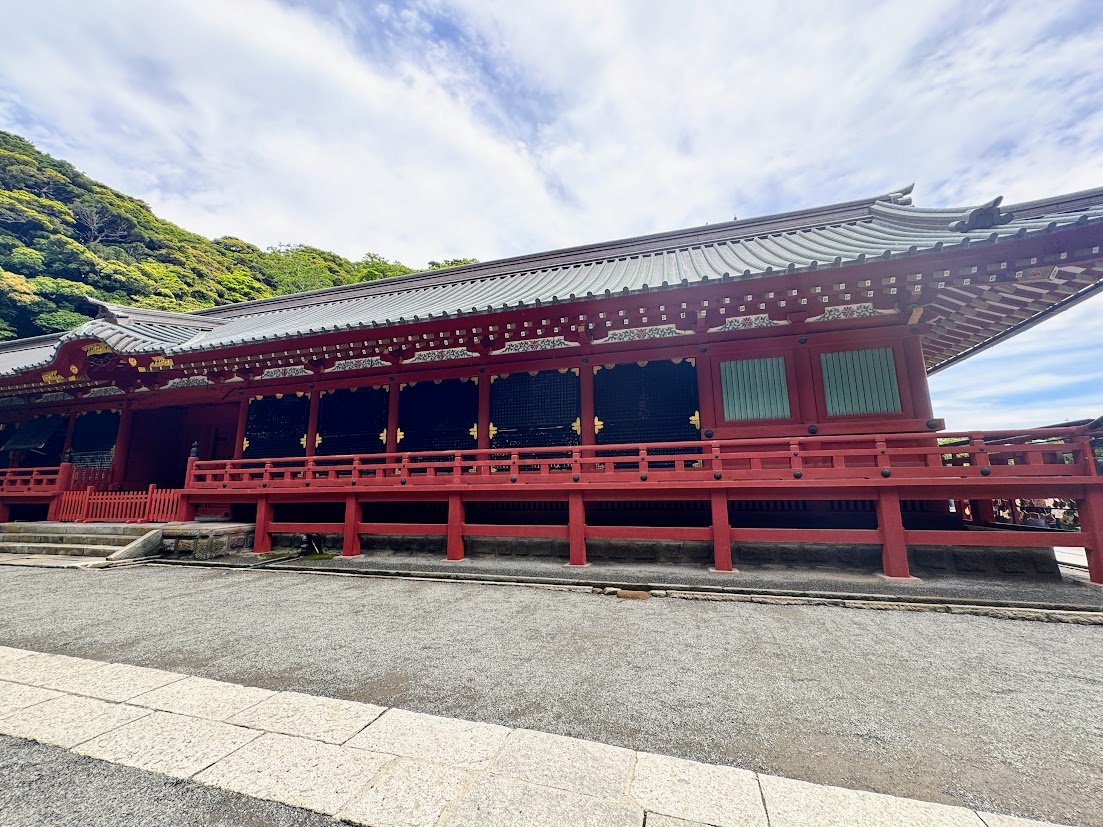
I still remember my first visit to Kamakura. It felt calmer than central Tokyo, with a slower rhythm, old temples, shrines, coastal views, and streets that are easy to explore on foot.
Disclosure: This article contains affiliate links. If you book through them, I may earn a small commission at no extra cost to you.
This guide is for travelers planning a Kamakura day trip from Tokyo, especially if you want to combine Kamakura with Enoshima, Yokohama, or the scenic Enoden train. I’ll cover what to expect, how to get there, key stops, and when a guided day tour can make sense.
Quick Facts About a Kamakura day trip
| Detail | What to Know |
|---|---|
| Starting point | Tokyo |
| Best for | Temples, coastal scenery, history, local streets, and a slower day outside Tokyo |
| Suggested time | Plan a full day if adding Enoshima or Yokohama |
| Transport highlight | The Enoden train is a scenic local rail experience |
| Booking tip | A guided tour is helpful if you want multiple stops without planning transfers |
Check Kamakura, Enoshima, and Yokohama day trip availability on Klook
Key Takeaways
- Discover Kamakura’s rich samurai history and Zen temples.
- Explore the city’s beautiful shrines and gardens.
- Plan a day trip to Kamakura from Tokyo.
- Visit famous landmarks like Tsurugaoka Hachiman Shrine.
- Enjoy the serene natural beauty of Kamakura’s temples.
Why Choose a Day Trip to Kamakura from Tokyo?
Kamakura is a mix of nature, culture, and history. It’s close to Tokyo. It’s perfect for a day trip.
Kamakura is calm and full of sights. It’s less crowded than Kyoto. You can enjoy it more.
The Convenience of Proximity
Kamakura is close to Tokyo. You can get there by train easily. It’s great for a quick trip.
Key benefits of Kamakura’s proximity:
- Short travel time
- Easy accessibility by train
- Convenient for a day trip
Ideal for All Types of Travelers
Kamakura has something for everyone. History buffs and nature lovers will find joy here.
Top things to do include seeing landmarks and enjoying nature. You can also try local food.
A Blend of Nature and Culture
Kamakura is known for its beauty and history. You can see temples and enjoy the food.
Don’t miss the Great Buddha and Hase-dera Temple. Tsurugaoka Hachimangu Shrine is also a must-see. They show Kamakura’s rich history.
Choosing Kamakura for a day trip is a great idea. You’ll see Japan’s history, nature, and culture in one day.
How to Get to Kamakura from Tokyo
Getting to Kamakura from Tokyo is easy. You can take direct trains from big stations. It’s a great place for a day trip because it’s close to Tokyo.
Train Options: JR and Enoden Lines
The JR Yokosuka Line and the Enoden Line connect Tokyo to Kamakura. The JR Yokosuka Line goes straight from Tokyo Station. It’s good for those starting in Tokyo.
The Enoden Line is scenic but takes longer. You might need to change trains at Ofuna Station.
Travel Time and Ticket Costs
The trip from Tokyo to Kamakura takes about an hour. The JR Yokosuka Line takes 55-60 minutes. The Enoden Line takes longer because it stops more.
Ticket prices depend on the line and class. A one-way ticket on the JR Yokosuka Line costs ¥900-¥1,000.
| Train Line | Travel Time | One-Way Cost |
|---|---|---|
| JR Yokosuka Line | 55-60 minutes | ¥900-¥1,000 |
| Enoden Line | around 80 minutes with transfer | ¥400-¥900 |
Tips for Buying Tickets
Think about the cost and what ticket you need. Suica or Pasmo cards are good for many trains. They include the JR Yokosuka Line and the Enoden Line.
For long trips, a Japan Rail Pass is best. It lets you ride JR trains all you want.
Buy your tickets early. Check the train times to plan your day well.
Top Attractions in Kamakura
Kamakura is a city full of history and culture. It has many famous landmarks that everyone should see. The city’s temples, shrines, and gardens show Japan’s rich past.
The Great Buddha of Kamakura
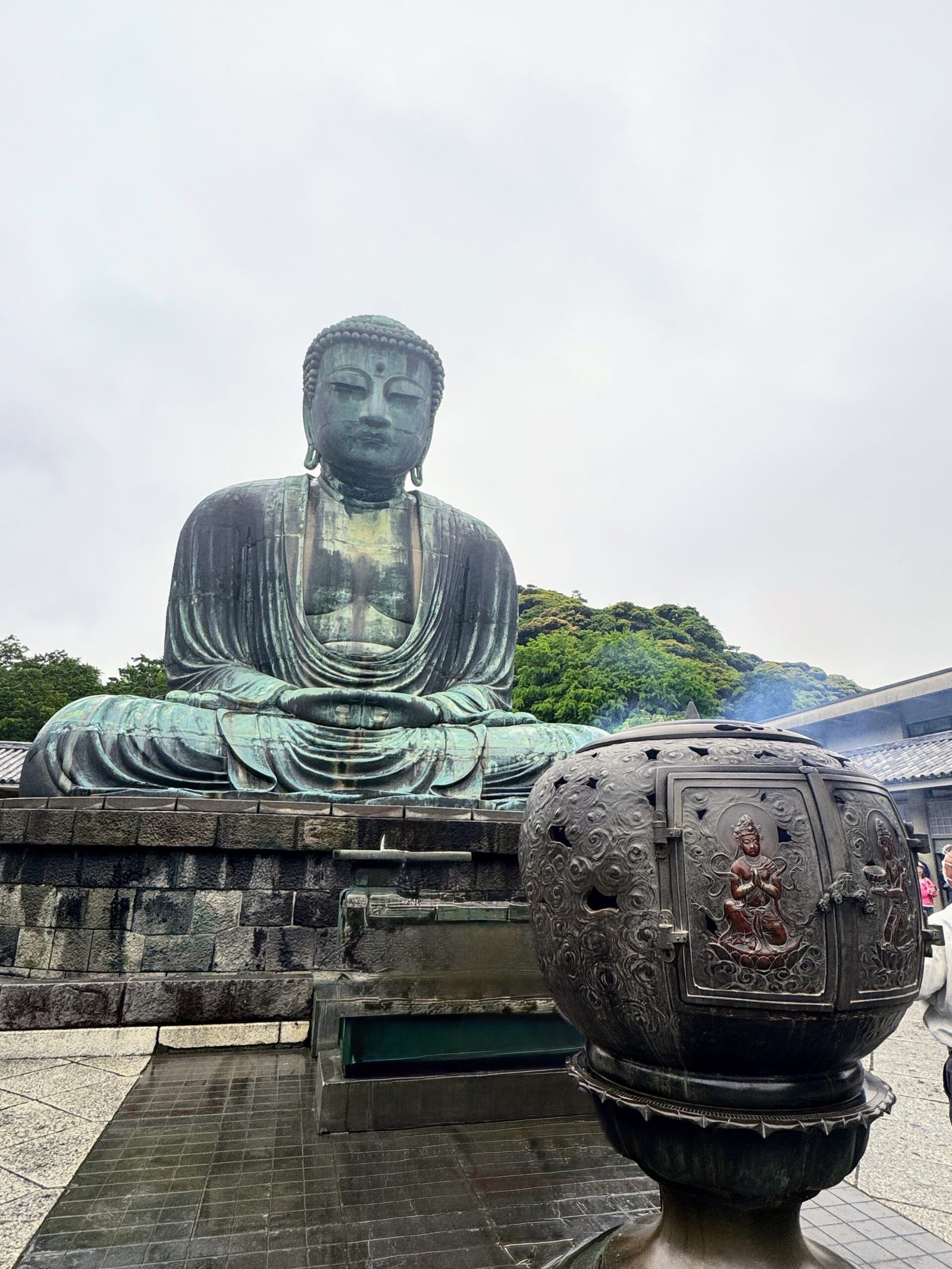
The Great Buddha of Kamakura, also known as Kamakura Daibutsu, is very famous. This bronze Buddha is over 13 meters tall. It’s a big cultural treasure in Kamakura.
Visitors can walk around and see the statue’s details. The area is very calm and peaceful.
Hase-dera Temple: A Serene Escape
Hase-dera Temple is a quiet place to visit. It’s known for its beautiful gardens and views of the ocean. People can walk around and see the carvings and statues.
Tsurugaoka Hachimangu Shrine: Historical Significance
Tsurugaoka Hachimangu Shrine is a big cultural spot in Kamakura. It’s a Shinto shrine dedicated to Hachiman. Visitors can join in rituals and ceremonies here.
Kamakura’s top spots mix history, culture, and nature. It’s a great place for travelers who want to learn and enjoy.
Enjoying Kamakura’s Scenic Beauty
Kamakura’s beauty is as stunning as its old temples and shrines. The natural scenery offers a calm and cool experience. It’s a place where you can find peace.
Hiking Trails and Nature Walks
Kamakura has hills with trails and walks. These paths show amazing views of the city and the ocean. If you’re exploring Kamakura in a day, hiking to the top is a must-see.
Beautiful Beaches: Yuigahama and Zaimokuza
Kamakura also has beautiful beaches like Yuigahama and Zaimokuza. They’re perfect for relaxing and playing in the water. When planning a trip to Kamakura, don’t miss these beaches.
Yuigahama is great for swimming and sunbathing. Zaimokuza is famous for surfing. To have the best time, follow some kamakura travel tips to avoid crowds.
Whether hiking or beach time, Kamakura’s beauty will stay with you. Adding these spots to your plan makes your visit complete. You’ll get to see the best of exploring Kamakura in a day.
Local Cuisine: What to Eat in Kamakura
In Kamakura, I found many local dishes. They show the city’s tasty side. Kamakura is rich in history and culture, making food here special.
The food in Kamakura mixes traditional Japanese tastes with fresh sea food. It’s close to the ocean. This makes it a great place to try real Japanese food.
Must-Try Dishes and Snacks
Kamakura is known for its sweets and snacks. Some dishes you should try are:
- Dorayaki: A sweet pancake with red bean paste. It’s great as a dessert or snack.
- Matcha-flavored treats: Kamakura has great matcha. You can find many matcha sweets, like ice cream and cakes.
- Fresh seafood: Kamakura has lots of fresh sea food. Try sushi and sashimi.
Recommended Restaurants and Cafés
Kamakura has many places to eat. From simple spots to fancy restaurants. Here are some places to go:
| Restaurant/Café | Cuisine | Price Range |
|---|---|---|
| Restaurant A | Traditional Japanese | $$ |
| Café B | Coffee and Sweets | $ |
| Seafood Restaurant C | Seafood | $$$ |
When you visit Kamakura from Tokyo, don’t miss these foods. You’ll enjoy the history and culture. And you’ll love the food too.
Cultural Experiences in Kamakura
As I walked through Kamakura, I found many cultural experiences. The city is full of traditional Japanese culture. You can visit many temples and shrines.
Kamakura has lots of cultural activities. You can go to local markets and craft shops. Here, you can meet the locals and learn about their customs.
Traditional Crafts and Local Markets
Exploring local markets and craft shops was a highlight for me. These places have traditional crafts like woodwork and pottery. You can also find special souvenirs and snacks.
Don’t miss the Kamakura Komachi Market for local goods. There are also many craft shops to see traditional Japanese crafts.
Temples and Shrines: Customs and Etiquette
When you visit temples and shrines, remember to respect local customs. Dress modestly and remove your shoes when asked. Always follow the staff’s instructions.
Some important customs include bowing when you enter or leave. Don’t take pictures inside the main hall. Being respectful makes your visit better.
If you’re planning a Kamakura itinerary from Tokyo, spend at least a day here. Kamakura offers a lot for every traveler, with its rich culture and traditions.
Best Times to Visit Kamakura
The best time to visit Kamakura depends on what you like. Each season has its own special things to see and do.
Seasonal Highlights: Spring to Winter
Kamakura is great all year round. Spring is famous for its cherry blossoms, which bloom in late March to early April.
Summer is warm and perfect for beach days. You can enjoy Yuigahama and Zaimokuza beaches. Summer also has many festivals and events.
Fall is beautiful with leaves changing colors in mid-to-late November. It’s a great time for hiking and walks in nature.
Winter is quiet and peaceful. It’s a good time to see Kamakura’s old sites without many people around.
Festivals and Events: When to Go
Kamakura has many festivals and events all year. Some big ones include:
| Event | Time of Year | Description |
|---|---|---|
| Cherry Blossom Festival | Late March to Early April | Celebration of Kamakura’s beautiful cherry blossoms |
| Summer Festival | Mid-August | A vibrant festival with traditional dances and food stalls |
| Autumn Leaves | Mid-to-Late November | Enjoy the stunning autumn foliage |
Think about what you want to see when planning your kamakura day tour options. Do you like nature or culture? This will help you enjoy Kamakura the most when exploring Kamakura in a day.
Tips for a Memorable Day Trip
A day trip to Kamakura can be unforgettable with the right planning. To make your visit fun and stress-free, follow these tips.
Creating a Flexible Itinerary
Plan your day trip to Kamakura with a flexible itinerary. List the top places you want to see, like the Great Buddha of Kamakura and Tsurugaoka Hachimangu Shrine.
- Prioritize your must-see sites.
- Leave some buffer time for spontaneity.
- Consider the travel time between locations.
Important Travel Essentials to Bring
Packing the right things can greatly improve your trip. Here are some must-haves for your day trip:
- Comfortable Shoes: Kamakura is a city best explored on foot.
- Sun Protection: Bring sunscreen, a hat, and sunglasses.
- Reusable Water Bottle: Stay hydrated throughout your journey.
- Power Bank: For keeping your devices charged.
If you want to visit Kamakura, Enoshima, Yokohama, and ride the Enoden train without planning every transfer yourself, compare this Kamakura, Enoshima, and Yokohama day trip from Tokyo on Klook. Always check the latest itinerary, meeting point, inclusions, and cancellation policy before booking.
Conclusion: Make Kamakura a Must-See on Your Tokyo Trip
Kamakura is a city with history, culture, and natural beauty. It has something for everyone. It’s perfect for a day trip from Tokyo.
When you plan your kamakura itinerary from tokyo, don’t miss the Great Buddha and Hase-dera Temple. Enjoy the beaches and hiking trails too. Try the local food and visit temples and shrines to learn about the culture.
Exploring Kamakura’s Hidden Gems
Kamakura is full of surprises. You’ll find top things to do in kamakura and local markets. Don’t just stick to the main spots. Explore and enjoy all Kamakura offers.
Related Japan Travel Posts
- Tokyo Budget Travel Guide
- Mt Fuji Day Tour From Tokyo Review
- Shibuya Sky Review
- Incubhabe Travel Gallery
FAQ About a Kamakura Day Trip From Tokyo
Is Kamakura worth a day trip from Tokyo?
Yes. Kamakura is close enough for a day trip and gives you a different side of Japan with temples, shrines, coastal scenery, and quieter streets.
Can you visit Kamakura and Enoshima in one day?
Yes, but it is best to start early. A guided tour or a carefully planned route helps if you want to include Enoshima and Yokohama too.
What is the easiest way to visit Kamakura from Tokyo?
The easiest DIY route is usually by train from Tokyo, while a guided day tour is easier if you want multiple stops and less transfer planning.
Book the Kamakura, Enoshima, and Yokohama day trip on Klook