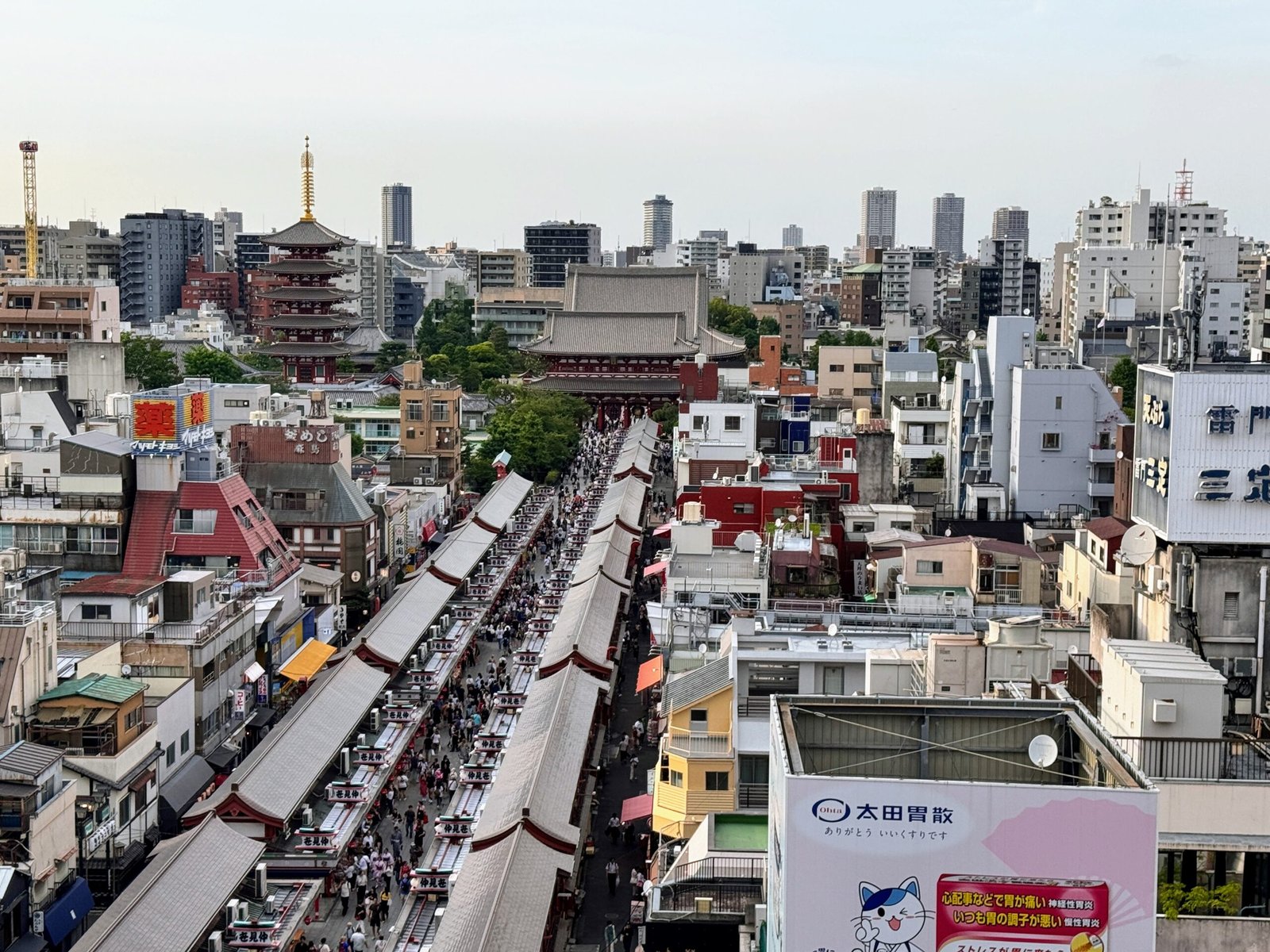

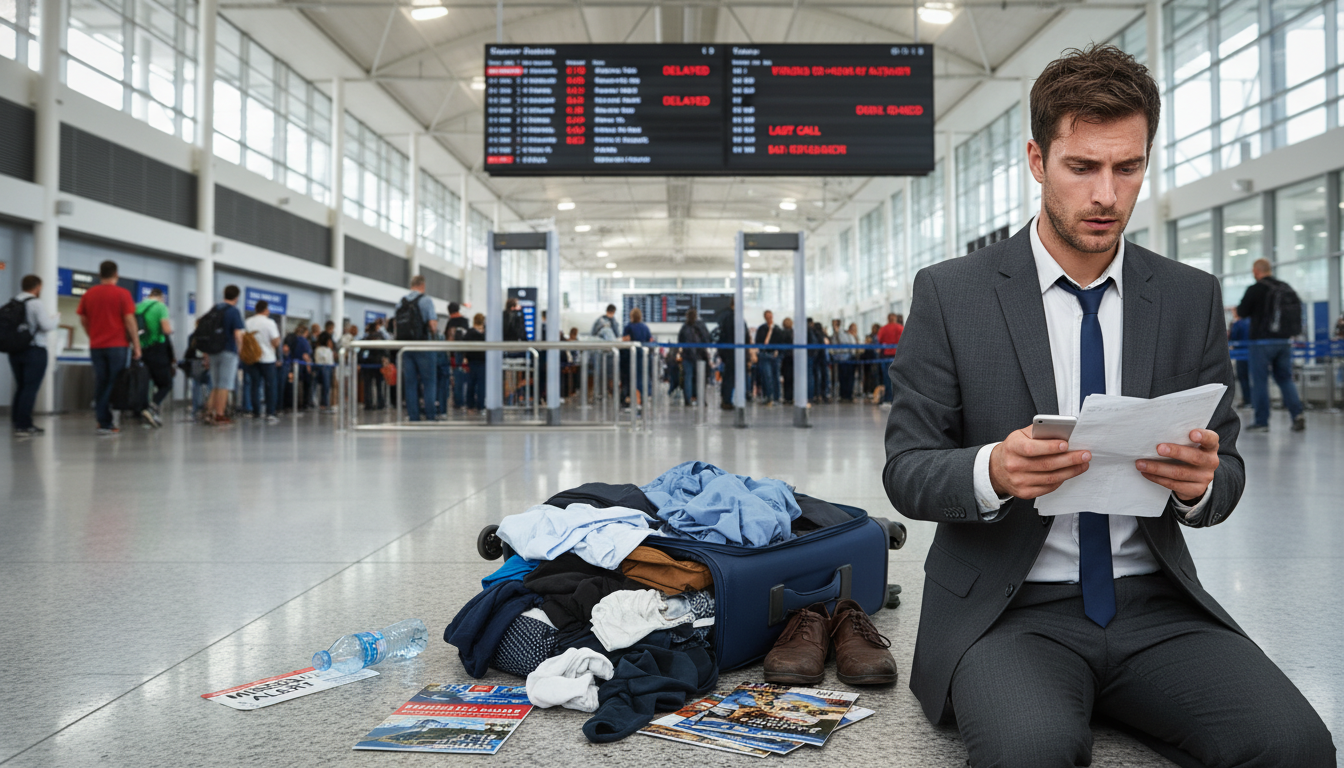
Looking back on my travels, I see how things can go wrong even when we plan well.
Travel has been growing again in recent years, and more people are exploring new destinations than ever before. With so many travelers flying or going on trips, planning ahead has become more important than ever.
Learning the most common travel mistakes to avoid can help you stay organized, save money, and enjoy a smoother trip.
When planning my trips now, I also like checking platforms like Klook to see available attractions and tours ahead of time.
Common Travel Mistakes to Avoid
Even experienced travelers sometimes make small mistakes that can disrupt a trip. Knowing the most common travel mistakes to avoid can help you save time, reduce stress, and enjoy your journey more.
Some common travel mistakes include:
- Not researching your destination
- Overpacking luggage
- Skipping travel insurance
- Underestimating travel time
- Forgetting travel documents
- Not planning a travel budget
- Relying too much on technology
Avoiding these mistakes can make your trip much smoother.
Key Takeaways
- Understand the most common travel mistakes
- Learn how to plan effectively for a smooth trip
- Discover tips for avoiding costly errors
- Explore ways to minimize travel stress
- Discover tools and tips that can help make your travel experience smoother
Not Researching Your Destination Thoroughly
Many travelers don’t research their destination well. This can lead to surprises, from annoying to dangerous. Knowing your destination well is key for a great trip.
Researching your destination means more than just booking a flight and hotel. It’s about understanding local customs and culture to avoid offense, knowing weather conditions to pack right, and finding key attractions to enjoy your trip.
Not knowing local customs can cause awkward moments. For example, in some places, tipping is seen as rude, while in others, it’s expected. Knowing this helps you fit in better.
Here are some important things to research:
- Local customs and cultural norms
- Weather and climate conditions
- Key attractions and activities
- Local laws and regulations
- Health and safety advisories
By researching, you can avoid travel mishaps and have a better trip. It’s all about being ready and knowing your destination
This is especially important when visiting busy travel destinations like Tokyo, Bangkok, or Singapore, where popular attractions can sell out quickly.
Checking platforms like Klook during the planning stage can also help travelers discover popular tours, attractions, and local experiences before arriving.
Overpacking Your Luggage
One big mistake travelers make is overpacking. This can cause stress and trouble during their trip. It leads to checking bags, extra fees, and worries about lost or damaged luggage.
Traveling light has many benefits. It lets you move freely without heavy bags. This makes your trip easier and more enjoyable.
Overpacking is one of the most common travel mistakes to avoid, especially for first-time travelers.
Traveling Light Benefits
Traveling light makes moving around airports and cities easier. You worry less about your luggage. And, your trip is more streamlined.
Key benefits of traveling light:
- Easier navigation through airports and cities
- Less worry about luggage handling
- More streamlined travel experience
Essential Packing Tips
To pack light, plan ahead and know what to bring. Here are some tips:
Packing essentials:
- Choose versatile clothing that can be mixed and matched
- Roll clothing to save space and reduce wrinkles
- Use packing cubes to organize and compress belongings
Versatile Clothing Choices
Choosing the right clothes is key for packing light. Pick items that can be dressed up or down. They should be good for different situations.
Tips for versatile clothing:
- Pack clothes that can be layered for different weather conditions
- Choose items that can be easily mixed and matched
- Consider packing clothes with multiple uses, such as a sarong that can serve as a blanket, towel, or dress
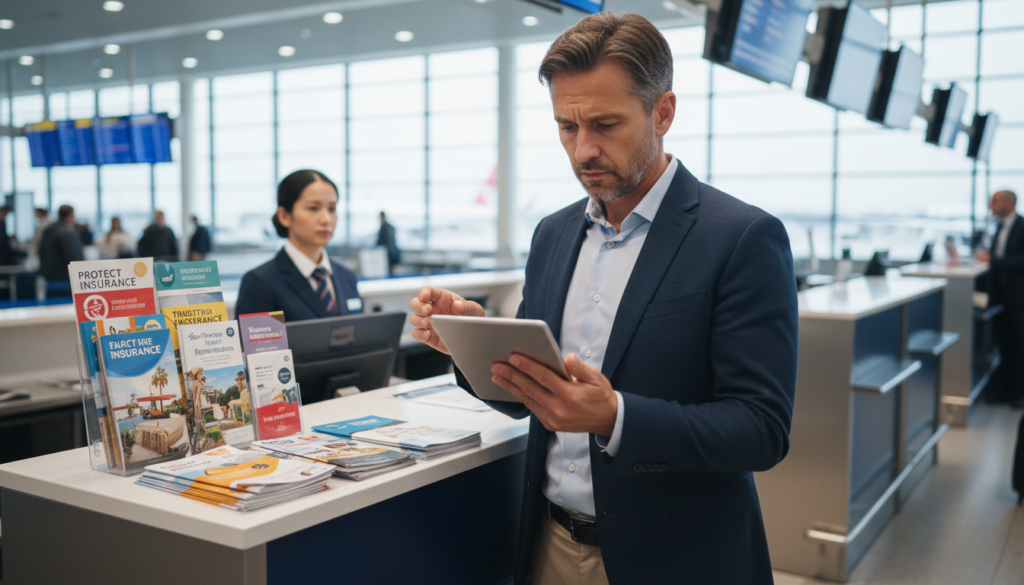
Ignoring Travel Insurance
Many travelers overlook the need for travel insurance. They think their regular health insurance or credit card benefits will cover them abroad. But this is often not true.
Travel insurance offers financial protection against unexpected events. This includes trip cancellations, medical emergencies, and lost luggage. It’s key to know what travel insurance covers to make smart choices.
Importance of Coverage
Travel insurance can be a lifesaver in unexpected situations. For example, if you need medical help abroad, it can cover costs your regular health insurance won’t.
It also reimburses you for trip cancellations or interruptions. This can happen due to natural disasters or personal emergencies.
Types of Travel Insurance
There are many types of travel insurance policies. They meet different needs:
- Trip Cancellation Insurance: Covers prepaid trip expenses if you need to cancel for covered reasons.
- Medical Travel Insurance: Covers medical expenses while traveling abroad.
- Travel Delay Insurance: Reimburses extra expenses from travel delays.
- Baggage Insurance: Covers loss, theft, or damage to your luggage.
What to Look for in a Policy
When picking a travel insurance policy, look at these factors:
- Coverage Limits: Make sure the policy covers your trip’s total cost and medical expenses.
- Deductibles: Check if there are deductibles and how they work.
- Pre-existing Conditions: Find policies that cover pre-existing medical conditions if needed.
- Adventure Activities: If you plan adventure sports, ensure the policy covers these.
Understanding the importance of travel insurance and picking the right policy can protect you. This way, you can enjoy your trip more without worry.
Underestimating Time for Travel
Planning a trip can be exciting, but it’s easy to forget about time. Knowing how long trips, layovers, and delays take is key to good travel planning.
Planning Your Itinerary
A good itinerary makes your trip stress-free. Think about travel times, check-in, and delays when planning. Using travel planning tips helps make your schedule better and more fun.
| Destination | Travel Time | Check-in Time |
|---|---|---|
| City A to City B | 2 hours | 1 hour before departure |
| City B to City C | 1.5 hours | 1.5 hours before departure |
Allowing for Delays
Delays can come from weather, traffic, or mechanical issues. Adding extra time to your plan helps. This makes your trip less stressful and more enjoyable.
Time Zone Adjustments
Traveling across time zones means adjusting your schedule. Update your watch, phone, and devices to local time. Knowing about time zone adjustments helps avoid jet lag and keeps you on track.
Plan well, account for delays, and adjust to local times. This makes your travel smoother and more fun.
Forgetting Important Documents
Forgetting important documents can make your trip chaotic. It’s key to have the right documents for a smooth journey. We’ll cover the essential documents, how to keep them safe, and the benefits of digital vs. physical copies.
Essential Travel Documents Checklist
Before you travel, make sure you have these important documents:
- Passport: Valid for at least six months beyond your planned departure date.
- Visa: Required for certain countries; check the specific requirements.
- Travel Insurance: Covers unexpected medical or travel-related expenses.
- Driver’s License: Useful for identification and car rentals.
- Health Certificates: Necessary if you’re traveling to areas with specific health concerns.
Keeping Copies Secure
Having documents is not enough; you must also keep copies safe. Here are some tips:
- Make digital copies: Scan your documents and save them to a secure cloud storage service.
- Leave a copy with a trusted friend or family member: In case you lose your documents, having a copy can be helpful.
- Use a secure travel wallet: Protect your physical documents from theft or loss.
Digital vs. Physical Copies
Digital and physical copies both have their perks. Digital copies are easy to access and share, but you need a charged device. Physical copies are always there but can get lost or damaged.
In conclusion, having the right travel documents and keeping them safe is essential. Knowing what documents you need, how to keep them secure, and the benefits of digital and physical copies will make your travel smoother.
Not Keeping a Budget
Managing your money well is key to a stress-free trip. Without a budget, you might overspend and feel stressed. This can ruin your travel fun.
Plan your money before and during your trip. A good budget keeps you on track. It makes sure you have enough for fun activities.

Creating a Realistic Budget
Creating a budget means knowing your travel costs. This includes transportation, where you stay, food, and fun stuff. Start by looking up your destination’s prices.
- Transportation costs, including flights, trains, or car rentals
- Accommodation expenses, such as hotel stays or vacation rentals
- Daily food and dining expenses
- Activity and entrance fees for attractions
Booking activities ahead of time can sometimes help travelers save money as well. Platforms like Klook often offer discounted attraction tickets and bundled experiences.
Klook.comTracking Your Expenses
After setting a budget, track your spending. Use a journal, spreadsheet, or app to log your money.
Tips for effective expense tracking:
- Record every purchase, no matter how small
- Regularly review your spending to stay on track
- Adjust your budget as needed based on your spending patterns
Tips for Saving Money While Traveling
There are easy ways to save money on your trip. Here are some tips to help your budget go further:
- Opt for local dining experiences instead of touristy restaurants
- Use public transportation or walk/bike whenever possible
- Look for free or low-cost activities and attractions
- Book accommodations and flights in advance to secure better rates
By budgeting wisely, tracking your spending, and saving money, you’ll have a better travel experience. Enjoy your trip more!
Overlooking Health Precautions
Traveling often means we forget about health precautions. Being healthy and ready for your trip can greatly improve your experience.
Vaccinations and Health Checks
Before you go, talk to your doctor about shots and health checks. Each place has its own health rules. Knowing this can stop serious health problems.
Vaccinations are key for travel health. You might need shots for diseases like yellow fever or hepatitis. Some places even ask for vaccination proof when you arrive.
Packing a Health Kit
Having a health kit is smart. It should have things like pain relievers, antacids, band-aids, and your personal meds.
- Include a first-aid manual for basic care tips.
- Pack meds for common travel sicknesses, like diarrhea or altitude sickness.
- Remember to bring any personal medical devices you need.
Emergency Contacts
It’s important to have emergency contacts saved. Save numbers like your embassy and local emergency services.
Carrying a card with your emergency contact info and medical details is also smart. It’s very helpful in emergencies.
Relying Solely on Technology
Travelers need to find a balance between using digital tools and being ready for when tech fails. Smartphones and devices are full of useful info and conveniences. But, there are times when they just won’t work.
Offline Maps and Guides
Offline maps and guides are super helpful for travelers. They work even without internet, giving you key info on places, directions, and more.
- Download maps for your trip before you go to have them offline.
- Choose apps that work offline, like GPS and guidebooks.
- Keep your device charged and carry a portable charger for extra power.
I also like saving my attraction bookings in apps like Klook, so I can access my vouchers and tickets even without internet.
Battery Life Management
It’s key to manage your device’s battery, mainly when you’re far from power for a long time. Here are some tips to save battery:
- Turn off Bluetooth and location services when you don’t need them.
- Lower your screen brightness to save power.
- Use power-saving modes or apps to help manage your battery.
Importance of Human Interaction
Even with all the tech, human interaction is priceless. Talking to locals can give you insights and experiences tech can’t match.
- Don’t hesitate to ask locals for directions or tips.
- Chat with people to learn about culture and hidden spots.
- Use your language skills to connect and make your trip better.
By mixing tech use with human interaction and being ready for tech failures, travelers can have a better, more fulfilling trip.
Neglecting Local Culture and Language
Traveling can be exciting, but ignoring local culture and language is a big mistake. It can lead to missed chances and cultural blunders. Knowing the local culture and language makes your trip better.
Cultural Immersion through Language
Learning a few basic phrases in the local language shows respect for the culture. It helps you navigate and connect with locals. Language skills are key for diving into the culture.
Essential Phrases for Travelers
Knowing greetings, directions, and basic questions like “Where is…?” or “How much is this?” is helpful. These phrases help you get around and show you care about the culture.
Quick Language Learning Resources
For quick learning, apps like Duolingo and Rosetta Stone are great. Online tutorials and language exchange sites also help improve your skills.
Learning about local culture and language makes your trip more meaningful. Whether booking a tour or exploring a city, knowing the customs and language matters. Avoiding these common travel mistakes can make a huge difference in how smooth and enjoyable your trip feels.
Planning ahead, staying organized, and booking activities early can help reduce travel stress and make the experience more memorable.
Plan Your Trip More Easily
Planning ahead can make a huge difference when it comes to avoiding travel stress.
Instead of figuring everything out after arriving, many travelers now book attraction tickets, tours, and transportation before their trip.
One tool I personally like using is Klook, because it lets you discover popular experiences and secure tickets in advance.
Klook.comWhat You Can Book in Advance
Many travelers use Klook to book:
• Attraction tickets
• City tours
• Airport transfers
• Theme park passes
• Local experiences
Explore tours, attractions, and travel experiences on Klook